Explore our high-performance selections crafted for professional kitchens and retail brands globally. Engineered for food hygiene, durability, and ergonomic aesthetics.
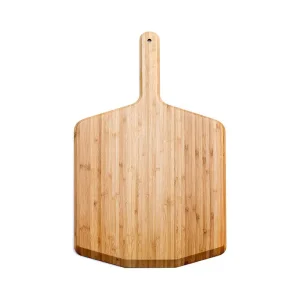
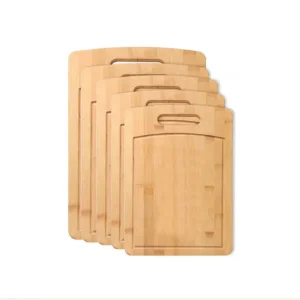
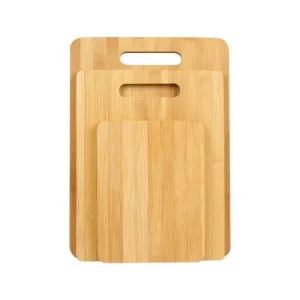
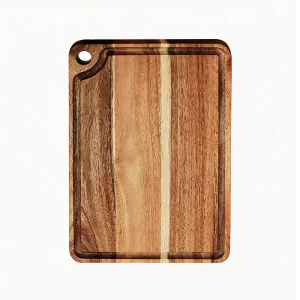
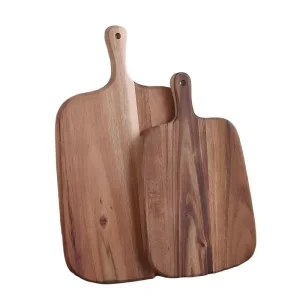
Global demand for sustainable, resilient, and cost-effective kitchenware has catapulted bamboo into the spotlight. Among all dimensions, small bamboo cutting boards are experiencing a surge in volume, driven by urbanization, compact home designs, and the rise of serving-centric culinary presentations (like charcuterie and tapas). China represents over 80% of the world's bamboo industrial supply chains. But what concrete value do Chinese factories provide to international retail giants, private labels, and brand houses?
Sourcing from China is no longer merely a low-cost play. It is a strategic partnership leveraging sophisticated industrial clusters, deep raw material resources, and automation. By utilizing natural Moso bamboo (Phyllostachys edulis), Chinese manufacturers deliver products that outperform traditional hardwoods in tensile strength, weight density, and water resistance, all while preserving the delicate balance of ecological sustainability.
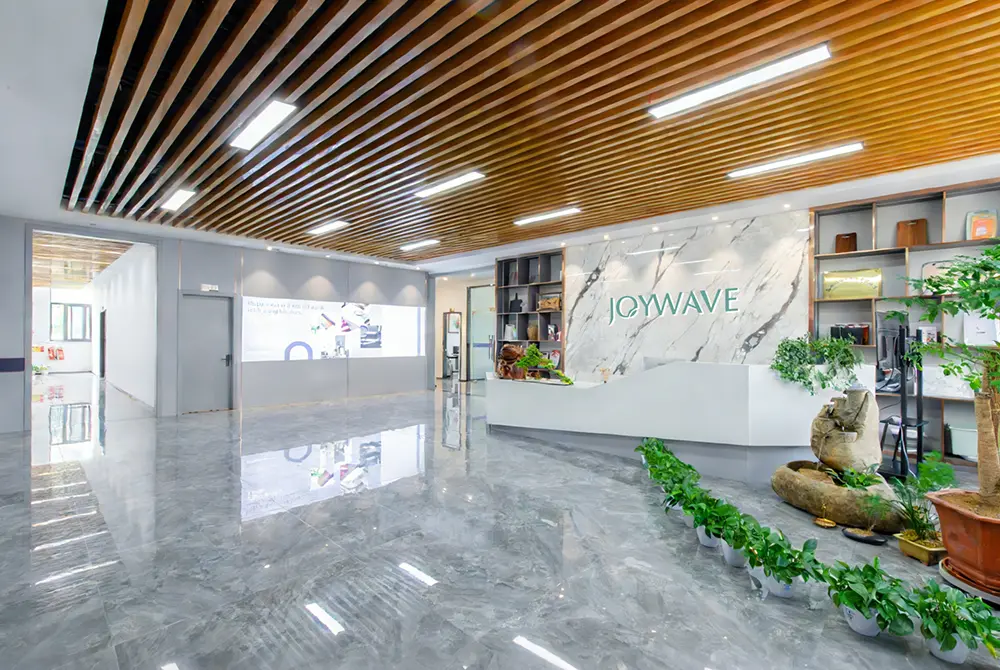
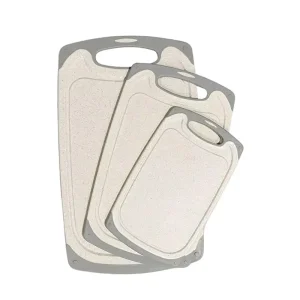
Founded in 2013 in the major industrial hub of Ningbo, China, JOYWAVE is a premier OEM manufacturer and global industry leader in kitchenware and food prep tools. Over more than a decade of focused industrial refinement, we have successfully integrated in-house industrial design, mold development, raw material processing, and quality control systems. Our primary product ranges cover Polypropylene (PP), Polyethylene (PE), Bamboo, Acacia and Rubberwood, Stainless Steel, and composite Wheat Straw boards.
We serve as a trusted Tier-1 supply partner to world-class retailers, including Walmart, Costco, Macy's, HomeGoods, and Williams Sonoma. Our logistics advantages, backed by proximity to the Port of Ningbo, allow us to ship container-loads of certified goods efficiently to North America, Europe, Latin America, Australia, and beyond.
A breakdown of materials, technology, and engineering parameters that set premium Chinese bamboo manufacturers apart.
Moisture control is the biggest challenge for bamboo boards. By utilizing high-pressure kiln drying (<12% equilibrium moisture) and proprietary carbonization chambers, our boards resist fungal growth and bacteria, maintaining hygiene standards in humid environments.
Traditional single-layer boards warp over time. Our factory uses a 3-layer cross-grain lamination process. Placing the grain direction perpendicular in the middle layer neutralizes the natural tension of bamboo fibers, eliminating warping, splitting, and cracking.
Under international standards (FDA / LFGB / Prop 65), adhesives must not contain formaldehyde or toxic chemicals. We strictly utilize E0/E1 grade water-resistant resin adhesives, ensuring food contact surfaces remain safe for long-term prep work.
Moso bamboo scores higher on the Janka hardness scale (1,180 lbf) than Red Oak and Maple. This keeps small cutting boards scratch-resistant while remaining soft enough to preserve the edge sharpness of fine chef knives.
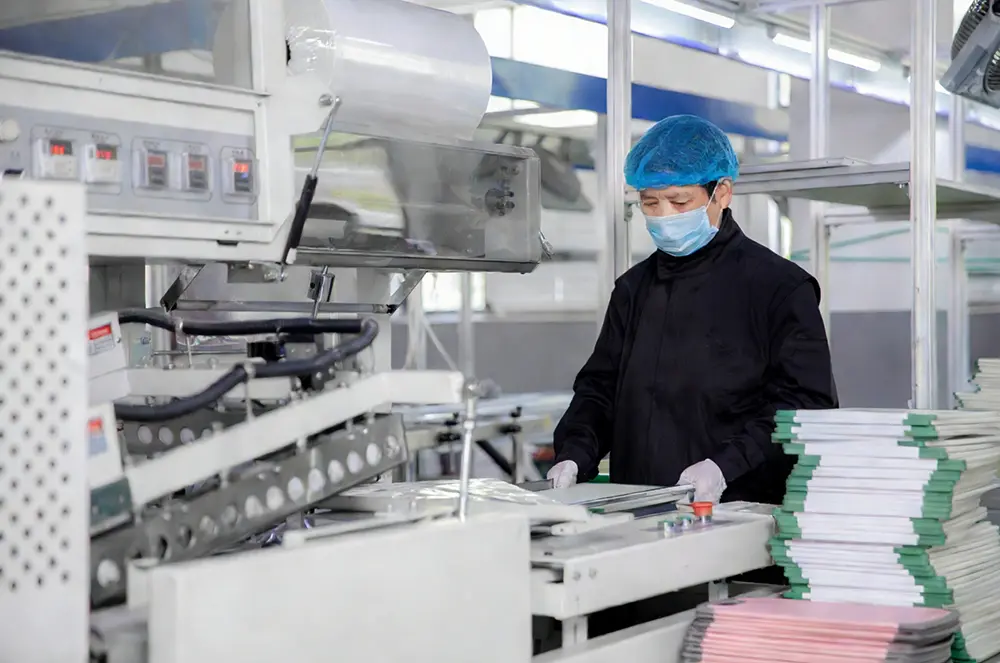
Operating from Ningbo minimizes inland container shipping costs. Our advanced automation lines reduce manual labor by 40%, translating directly to highly competitive FOB rates, flexible shipping lead-times, and higher profit margins for our distributors.
From custom branding (laser etching, heat stamp branding) to tailored sizing, juice grooves, non-slip silicone feet, and retail packaging solutions (PDQ displays, colorful shrink-wrap bands), we deliver retail-ready products configured for your target consumer profile.
As consumer expectations shift towards environmental transparency and multi-functionality, B2B procurement patterns must adapt.
Consumers demand verified sustainable materials. FSC (Forest Stewardship Council) certification provides documented proof that the bamboo was harvested responsibly, protecting biological diversity and supporting local forest workers. JOYWAVE holds extensive chain-of-custody tracking, making audits seamless for global retailers.
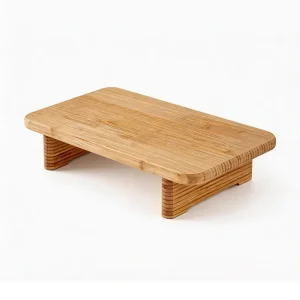
Small bamboo boards are no longer confined to food prep. Due to their natural wood aesthetics, consumers use them as serving trays, charcuterie bases, and cheese boards. Integrated features like thumb-holes, handles, and juice grooves allow a seamless transition from cutting board to dining table.
Hybrid cutting boards—such as bamboo paired with food-grade silicone corners, integrated feet, or dual-sided stainless steel laminates—are growing in popularity. These configurations address stability and hygiene challenges, creating high-margin opportunities for importers.
For large volume brands, maintaining a consistent inventory is crucial to surviving supply chain disruptions. JOYWAVE offers:
A step-by-step view of how raw materials are converted into retail-ready bamboo and composite cutting boards inside our facilities.
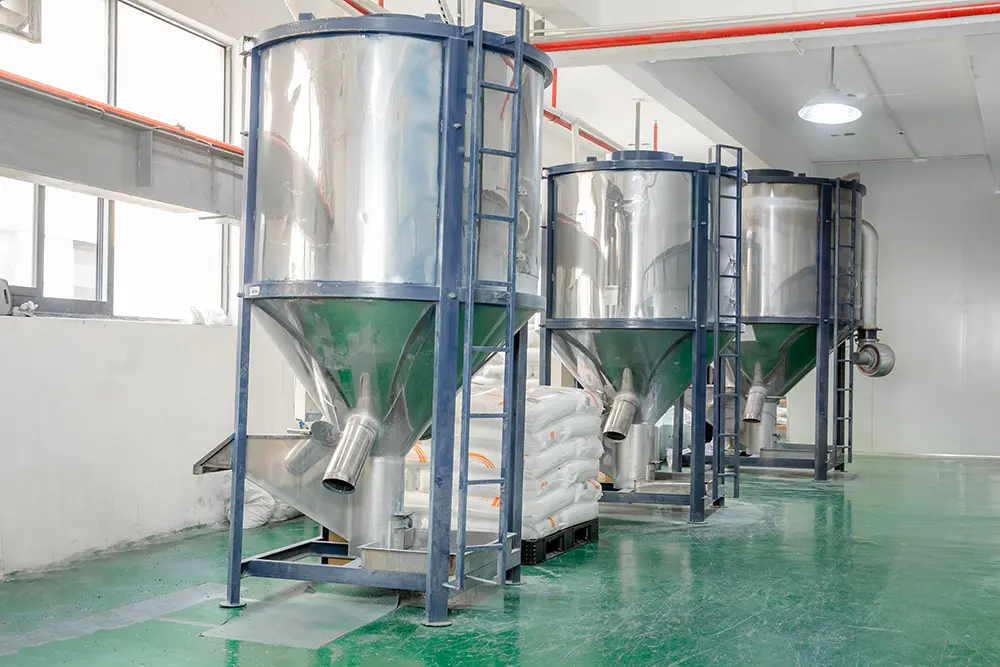
For composite lines, raw materials and pigment powders are precision mixed. For bamboo lines, premium Moso bamboo stems are cut, split, and sorted by fiber density.

Materials are loaded into molding machines or hydraulic hot presses. Our high-pressure bonding presses apply equalized heat to assure dense structural configuration.

Automated robotic arms safely remove the molded pieces or pressed slabs from high-temperature chambers, transferring them to structured cooling racks.
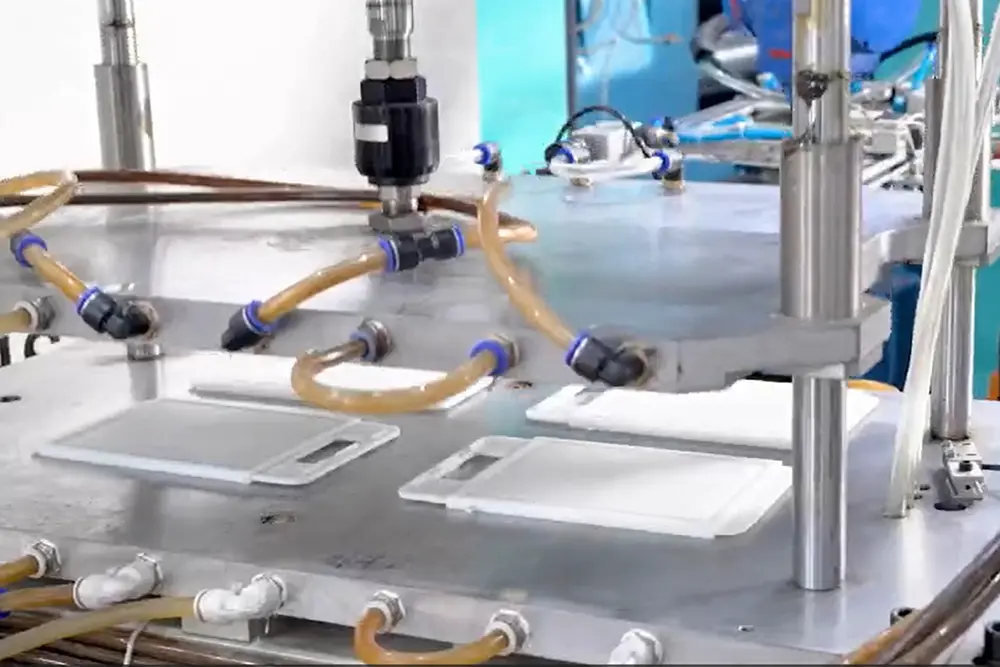
Thermal stability is achieved through a controlled cooling process, ensuring the board stays flat without warp or internal structural stress points.
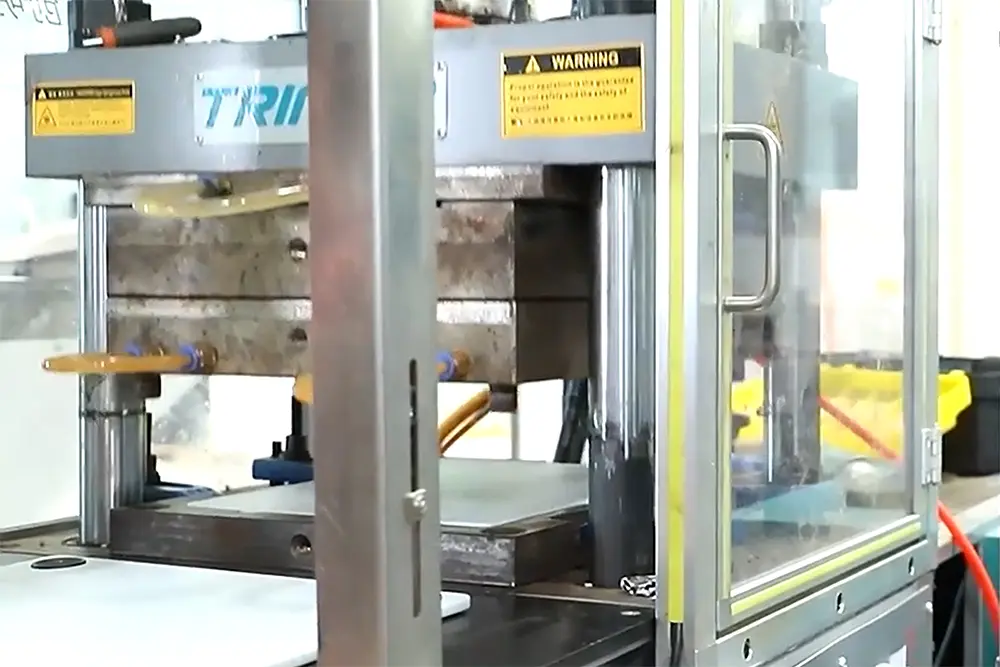
Secondary material edge over-molding applies non-slip grips. For bamboo boards, CNC routers profile juice grooves, handle shapes, and decorative edge styles.
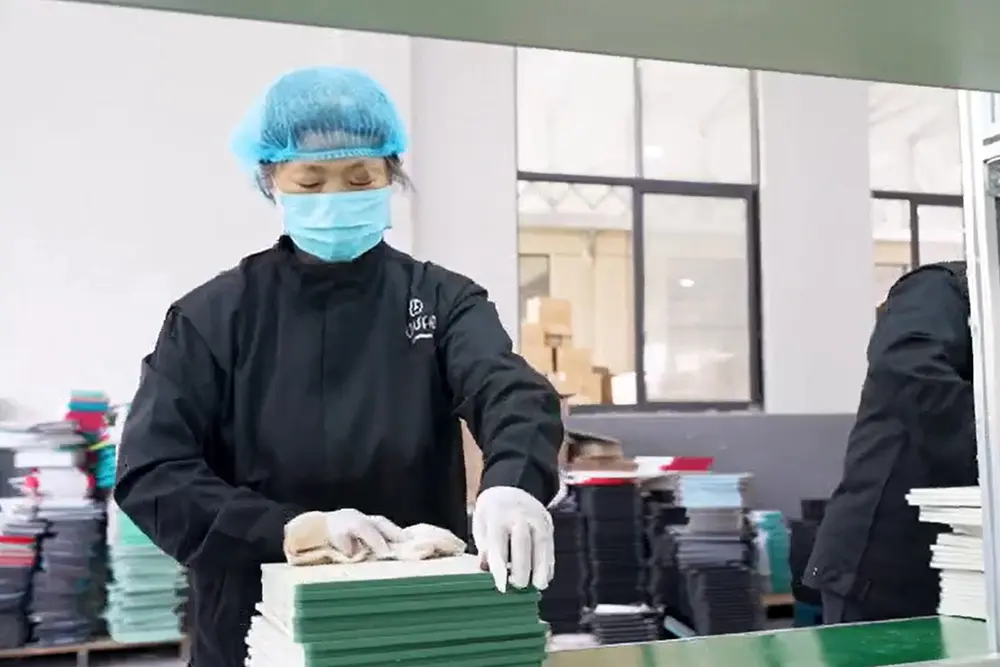
Every board is multi-stage sanded and wiped clean to clear all micro-dust, preparation residues, or bamboo fibers before sealing.

Brand-specific color labels, UPC tags, and eco-friendly protective shrink films are machine applied to preserve hygienic seal integrity.

Sealed boards are packed in reinforced corrugated export cartons to secure items against maritime cargo shifts during container transport.
How different global markets utilize small bamboo boards, helping buyers customize their catalogs accordingly.
In metropolitan areas like Tokyo, New York, and London, smaller kitchens with limited counter space are the norm. Compact, small-format bamboo boards (e.g., 20x15cm or 25x18cm) are highly valued for their easy storage, ease of washing, and low space footprint.
For outdoor enthusiasts and campervans, weight and durability are critical. Bamboo's high strength-to-weight ratio makes small boards ideal for portable camp kitchens, providing a stable cutting surface that resists impact damage.
Modern cafes and bars demand visually appealing food prep boards that double as serving vessels. Small bamboo boards, especially those with custom handles, are ideal for presenting cheeses, charcuterie meats, and bread, enhancing the dining aesthetic.
Critical business answers for import managers, supply chain controllers, and QA directors.
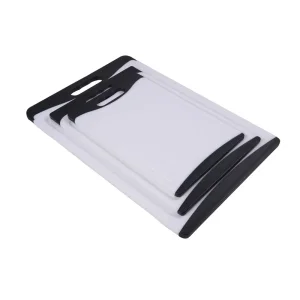
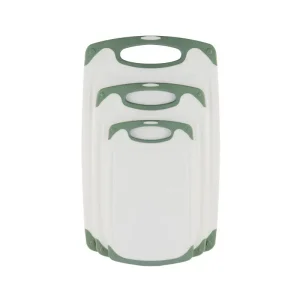
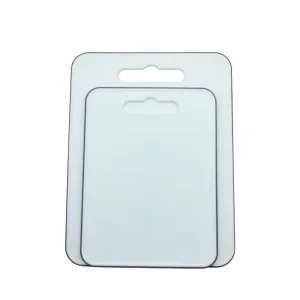
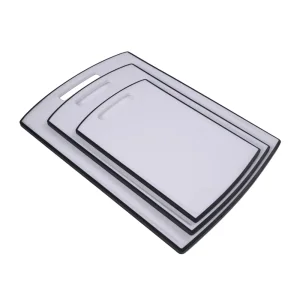
Complete your catalog with our specialized composite, non-slip plastic, and alternative hardwood board lines.
 Joywave