Explore our signature culinary boards engineered specifically to withstand Nordic climate shifts and satisfy high Scandinavian aesthetic standards.
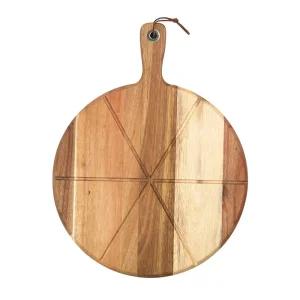
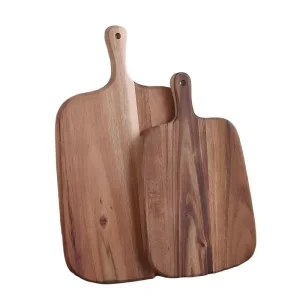
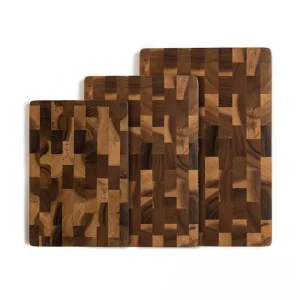
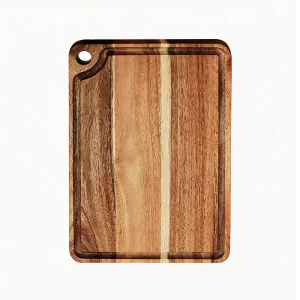
Norway represents a highly specialized, value-driven market for kitchenware and culinary accessories. With a GDP per capita ranking among the highest globally, Norwegian consumers and professional HORECA (Hotel, Restaurant, and Catering) buyers prioritize long-term durability, functional design minimalism, and strict sustainability over low costs.
The industrial landscape in Norway has unique parameters. Local forestry yields significant quantities of softwoods (pine, spruce), which are physically unsuitable for high-frequency cutting surfaces due to their low density and high resin content. Consequently, hard deciduous woods or premium exotic hardwoods like Acacia, Walnut, and high-density engineered bamboo must be imported. For premium retail brands and commercial suppliers operating in Oslo, Bergen, or Trondheim, securing a resilient and highly compliant manufacturing partner in China is essential to maintain competitive supply lines.
Furthermore, Norway's strict environmental agenda (including targets to halve emissions by 2030) strongly influences retail sourcing. Importers cannot simply buy standard grade products; they require complete supply chain transparency—from raw material logs to the consumer's countertop.
One of the most persistent and critical failures encountered by Norwegian importers of wooden cutting boards is hygroscopic warping and splitting. In southern manufacturing zones like Ningbo, China, the ambient relative humidity (RH) often exceeds 70-80%. When these wood fibers arrive in Norway's dry, heated winter environments—where indoor relative humidity frequently drops below 20-30%—the sudden moisture loss triggers rapid physical shrinkage. Standard panels will warp, crack, or separate at the glue joints.
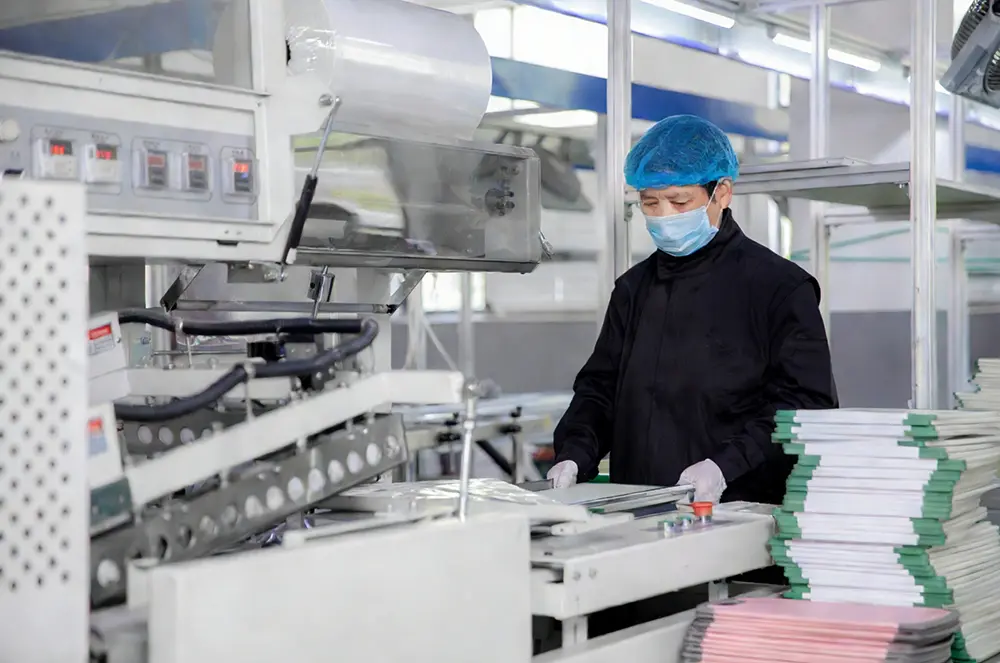
JOYWAVE ensures raw lumber undergoes a state-of-the-art multi-stage kiln-drying process to stabilize internal moisture content at exactly 8% to 10%. This reduces internal cellular stress and minimizes the risk of shrinkage once exposed to dry Norwegian indoor climates.
We implement specialized cross-lamination engineering techniques and utilize high-strength, water-resistant glues that fully meet LFGB regulations. Our adhesives are 100% formaldehyde-free, ensuring structural durability without compromising health safety standards.
Our manufacturing and processing steps comply with EU Regulation (EC) No 1935/2004 for food contact materials. We offer full tracing documentations, FSC certificates, and BSCI audit compliance to support local Norwegian customs clearances and brand audits.
| Parameter | Standard Requirement | JOYWAVE Compliance Level | Benefit for Norwegian Importers |
|---|---|---|---|
| Moisture Content | 8% – 12% | Stabilized at 8% – 10% (Internal moisture verification) | Prevents warping & splitting in dry winter indoor conditions |
| Adhesive Safety | EU Food Contact Compliant | LFGB & FDA Certified Formaldehyde-Free Formula | 100% safe for direct food prep; zero toxic emissions |
| Forestry Sourcing | Timber Origin Traceability | FSC (Forest Stewardship Council) Chain of Custody | Allows zero-barrier customs imports and eco-labeling |
| Surface Finishing | Food-grade oils/waxes | Pure natural food-grade mineral oil & organic beeswax | Safe for food contact; displays premium wood grain aesthetics |
While European workshops exist, China's advanced manufacturing clusters offer unparalleled advantages in terms of scaling, precision, and cost efficiency. Operating from Ningbo, JOYWAVE combines deep manufacturing expertise with direct access to one of the world's most active ports, providing a highly reliable and streamlined supply chain for international buyers.
How JOYWAVE processes raw lumber into high-end, kitchen-ready cutting boards tailored for global markets.
Lumber is inspected for grain consistency and density, then sorted to remove defects or sapwood pockets.
Controlled low-temp drying cycles reduce internal moisture to a target of 8-10%, stabilizing the wood structure.
Slabs are planed and cut to size. Automated CNC machines route out juice grooves, handle slots, and profile cuts.
Multiple sanding cycles create a smooth texture, followed by the application of organic, food-safe oils and wax coatings.
To successfully market premium cutting boards in Norway, designs must match the specific culinary habits and interior trends of Norwegian homes and professional spaces.
Norway's seafood industry requires heavy-duty cutting surfaces. Our end-grain butcher blocks and high-density acacia boards are naturally resistant to knife scoring and deep moisture absorption. This helps prevent bacteria buildup and makes cleaning easy when prepping fresh cod, mackerel, or salmon.
Traditional Norwegian cured meats (Spekemat) are central to national celebrations and family gatherings. Our premium walnut and paddled acacia boards serve as double-duty food prep and high-end presentation platters, aligning perfectly with modern rustic dining aesthetics.
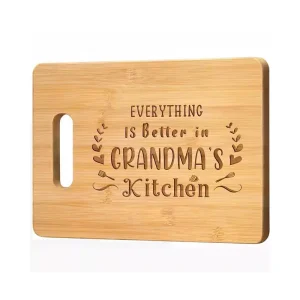
Modern Norwegian kitchens feature clean line geometries, neutral palettes, and natural materials. We offer laser-engraved branding options, hanging hole details, and slim-profile boards that display beautiful organic grains, fitting naturally into contemporary Nordic homes.
Read our answers to common questions about importing wooden kitchenware to Norway and Scandinavia.
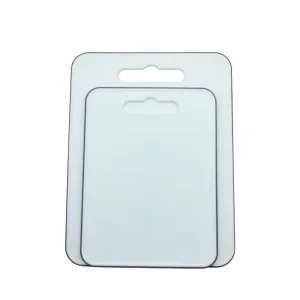
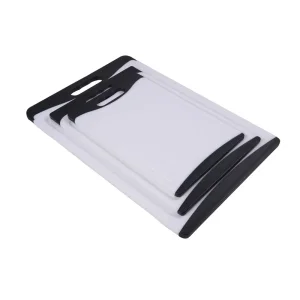
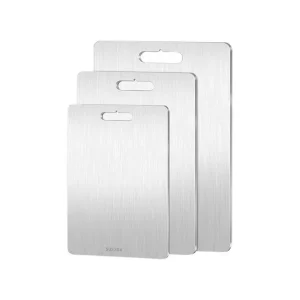
Select from our highly customizable products, featuring FSC-certified wood, bamboo, and specialized hybrid options designed for professional and home kitchens alike.
 Joywave