High-efficiency raw material applications tailored to reduce carbon footprints without compromising physical structural density.
An analysis of sustainable material transitions driven by consumer consciousness and environmental policy in South Korea.
The South Korean domestic kitchenware market is undergoing a structural transition. Driven by the Ministry of Environment’s strict policies on reducing single-use plastics and promoting bio-plastics (such as the Expanded Producer Responsibility - EPR framework), wholesale buyers in Seoul, Busan, and Incheon are shifting inventories to circular economy products.
Wheat straw composite kitchenware has emerged as a key substitute. By blending natural agricultural fiber with food-grade polypropylene (PP), these cutting boards reduce raw plastic content by up to 35-50%, matching both performance expectations and national green transition goals.
From a culinary perspective, South Korean kitchens require surfaces that resist cross-contamination and staining from acid-heavy dishes like Kimchi, while remaining gentle on high-carbon steel chef knives used for K-BBQ and delicate vegetable preparation. Premium wheat straw composites provide a non-porous, high-density surface that meets these criteria.
Korean kitchenware buyers require compliance with the Korea Food and Drug Administration (KFDA) rules, alongside LFGB and FDA food safety clearances.
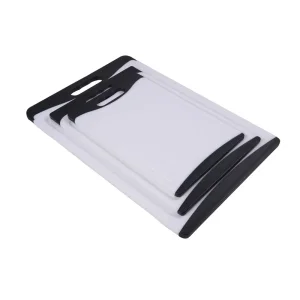
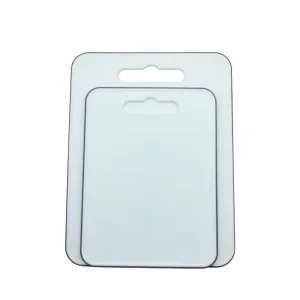
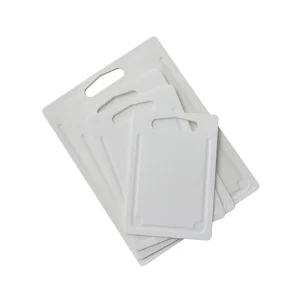
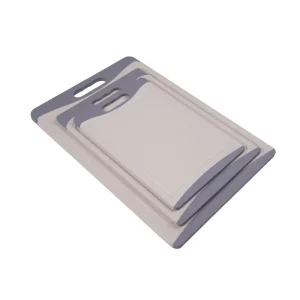
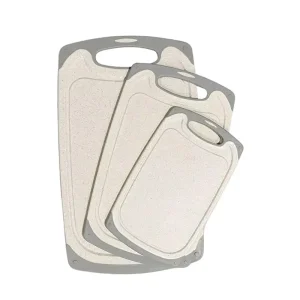
With many living in multi-family apartments, demand is high for space-saving nesting sets with integrated juice grooves and non-slip silicone feet.
Major department stores in Korea, like Hyundai and Lotte, prioritize suppliers with transparent supply chains and minimal carbon footprints.
Strategic geographic proximity and optimized manufacturing supply chains offer strong cost-to-quality advantages.
Developing specialized high-tonnage injection molds in Ningbo costs significantly less than domestic production in Korea. This allows for cost-effective custom shape variations and surface textures.
Shipping from Ningbo Port to Busan Port takes only 2 to 3 days. This rapid transit ensures stable inventory cycles and support for just-in-time logistics models used by Korean retail platforms.
Access to local agricultural networks in East China guarantees a steady supply of high-purity wheat straw fibers, ensuring stable pricing even during global supply shifts.
Founded in 2013 and based in Ningbo, JOYWAVE is a specialist OEM manufacturer and kitchenware industry expert. With over a decade of experience, we integrate in-house design, mold development, and manufacturing to deliver customized kitchenware solutions globally.
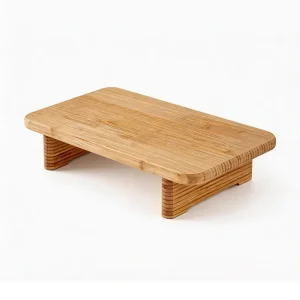
Our core capabilities focus on cutting boards, cutting mats, and serving trays. We manufacture using Polypropylene, Polyethylene, Bamboo, Wood, Stainless Steel, and eco-friendly alternatives like wheat straw. Additionally, our product line includes kitchen organizers, baking tools, cutlery, and kitchen gadgets, providing a one-stop source for coordinated collections.
How we transform raw bio-composite fibers into food-grade, durable kitchen prep surfaces at our Ningbo facility.
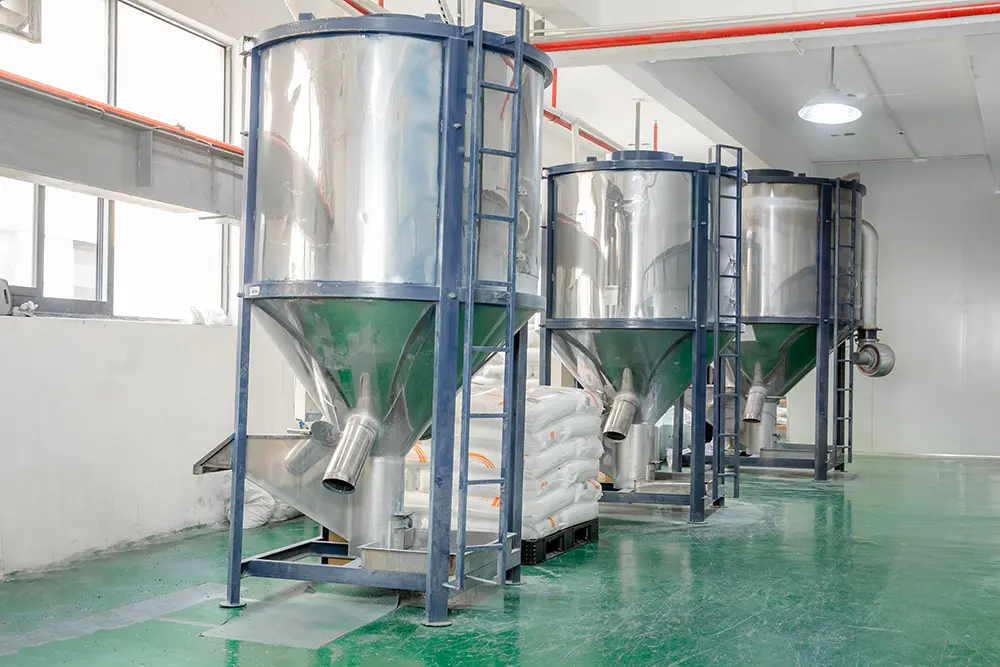
Combining the organic color pigments, polymer granules, and dried wheat straw powder inside a high-shear industrial mixer to secure uniform density.
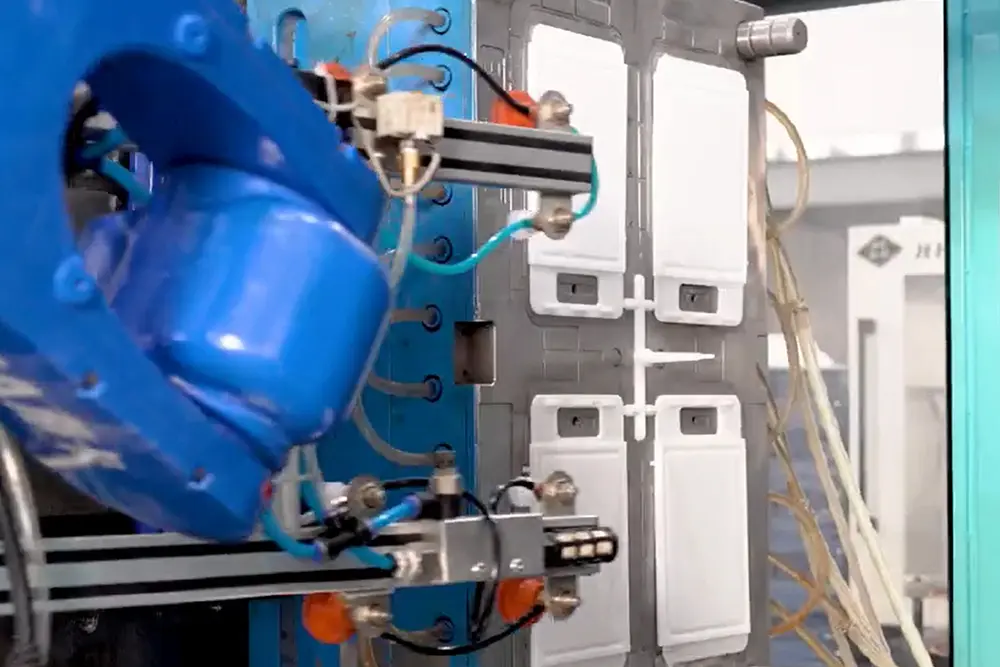
Injecting the melted bio-composite under high pressure into custom-machined steel molds via our advanced injection molding machinery.
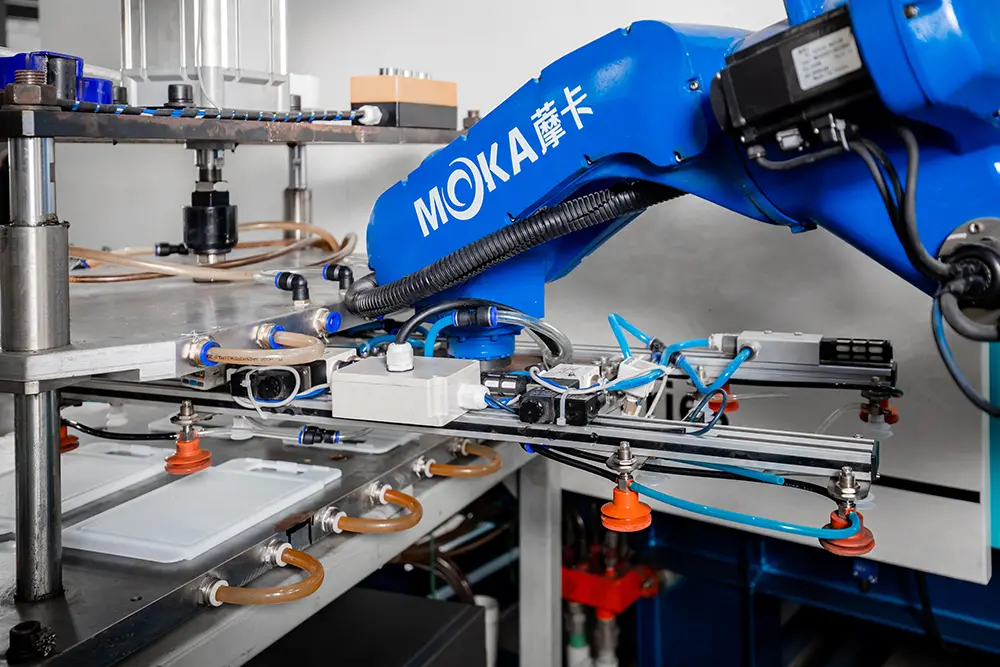
Automated robotic arms safely extract the hot formed cutting board and place it onto a dedicated transfer line, ensuring clean handling.
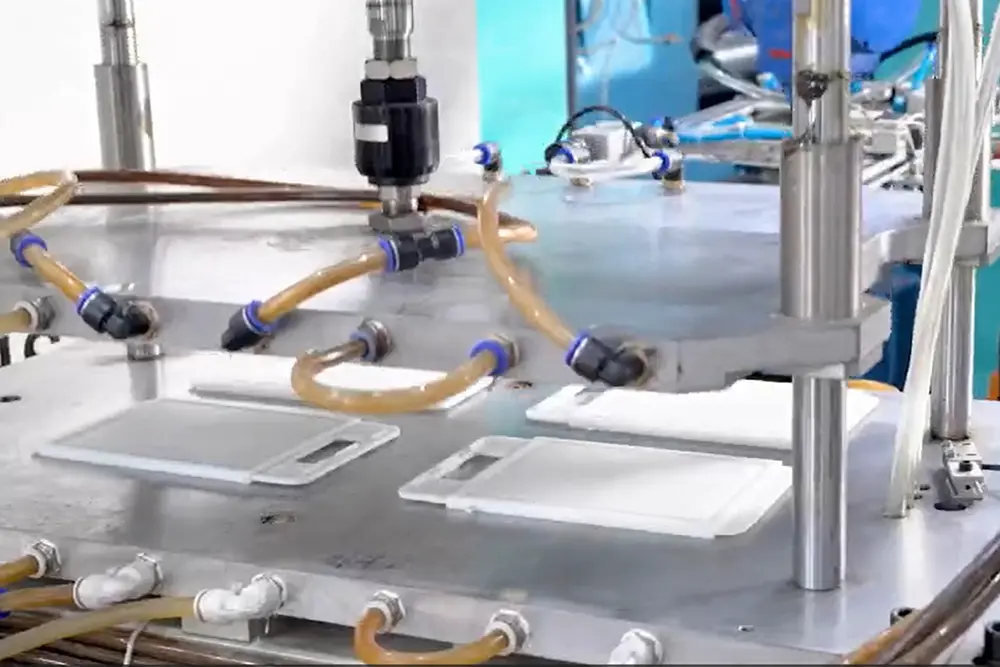
Subjecting the boards to uniform cooling presses to eliminate internal thermal stresses, preventing warping and guaranteeing a flat profile.
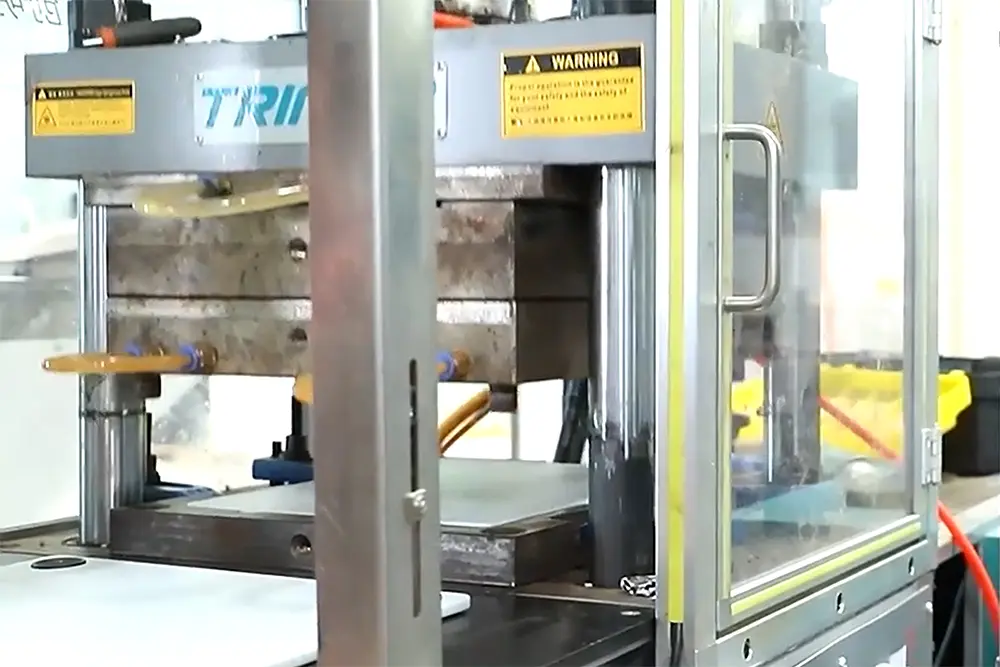
Transferring the core board to a secondary over-molding station to apply non-slip TPE rubber borders and corner grips.
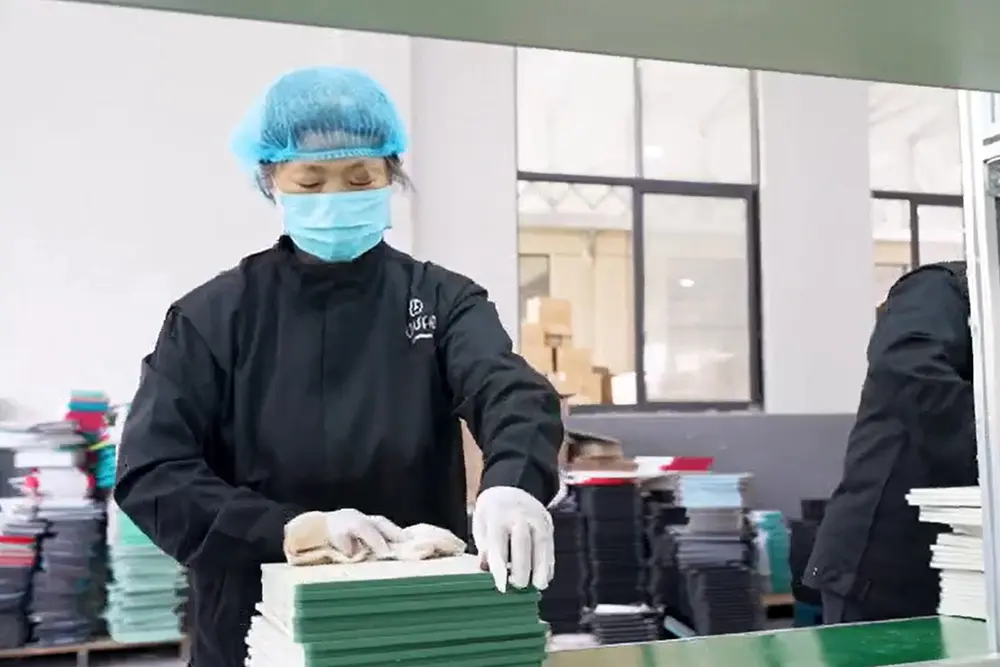
Wiping down all surfaces to remove particulate dust, dynamic molding residues, and any micro-imperfections on the board edges.
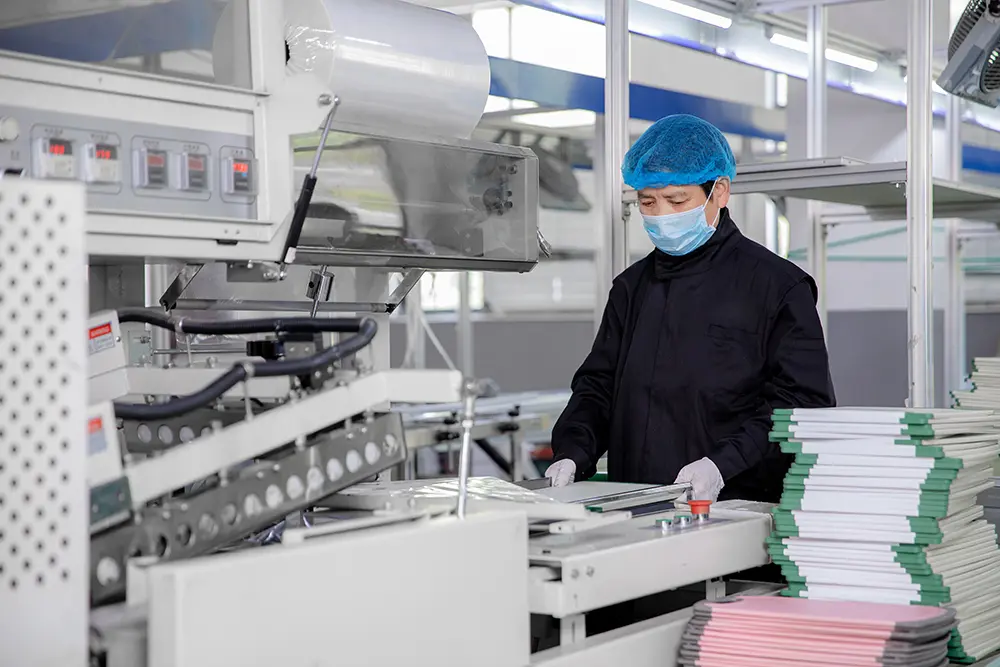
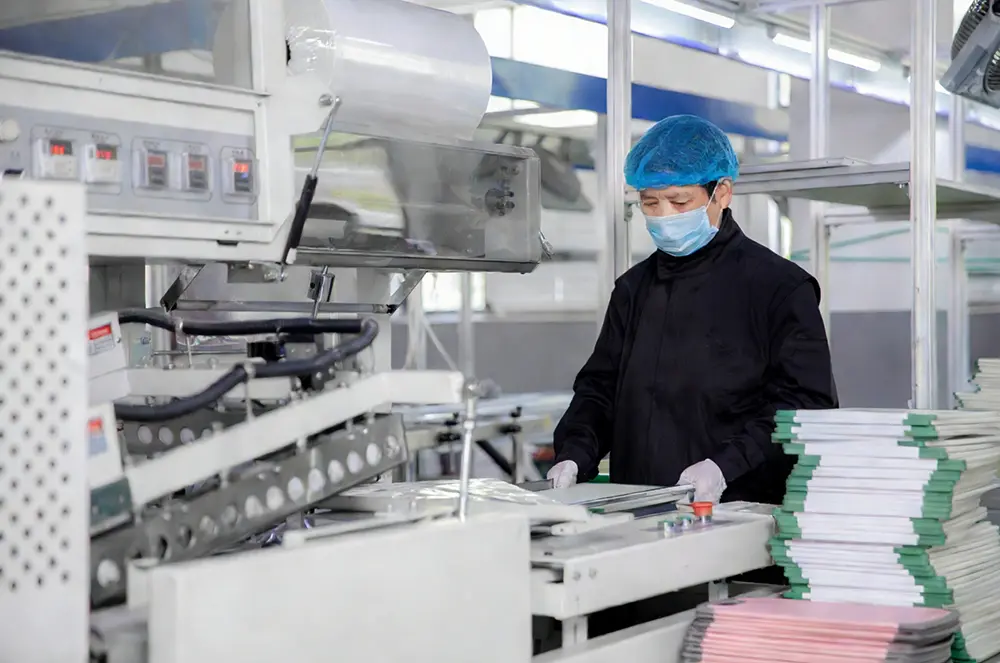
Applying the custom-printed buyer labels and packaging materials, followed by automated heat-activated shrink wrapping.
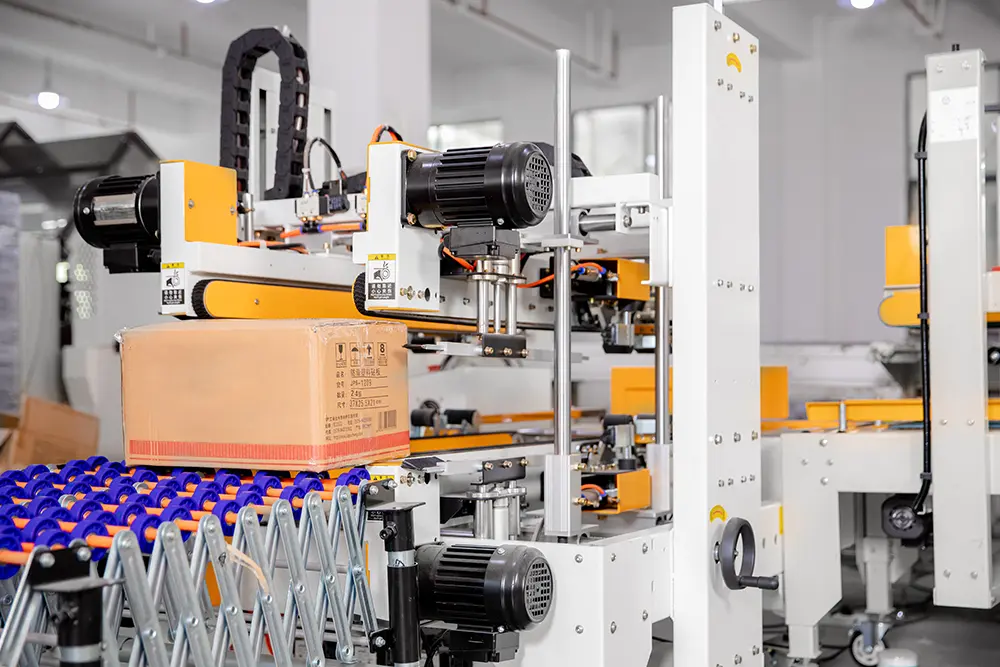
Packing finished items into master cartons, logging batch numbers, and transferring goods to the logistics bay for final shipping prep.
JOYWAVE's manufacturing quality is demonstrated by long-term partnerships with major global retailers. We act as a key OEM/ODM supplier to major chains, including Walmart, Costco, Macy's, HomeGoods, and Williams Sonoma, delivering kitchenware through direct and distributor channels across North America and Europe.
For Korean clients, we offer clear advantages:
Explore our range of kitchen prep surfaces, from natural woods and bamboo to high-performance polymers and bio-composites.
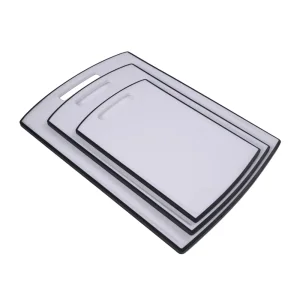
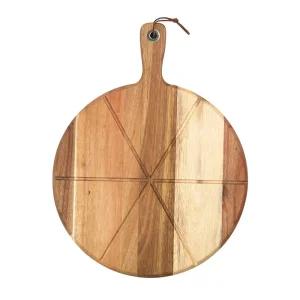
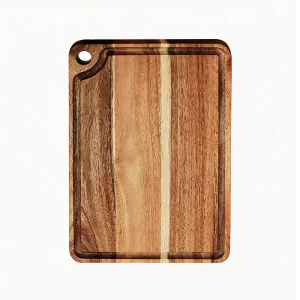
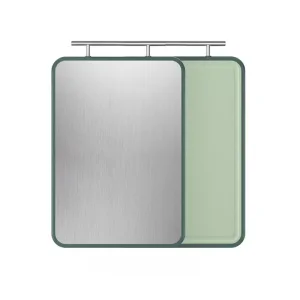
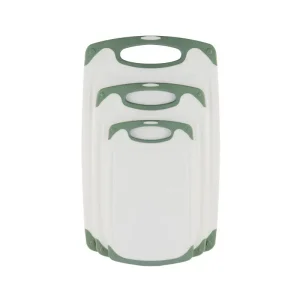
An analysis of raw materials, durability metrics, and eco-efficiency indicators.
Wheat straw composite material consists of natural agricultural residues (the stalks left over after harvesting grain crops) that are cleaned, crushed, and converted into micro-fibers. These fibers are then combined with food-grade polypropylene (PP) using compatibilizers to form a durable bio-resin. From a life cycle perspective (LCA), using these agricultural residues helps reduce reliance on petroleum-derived plastics.
A common issue with traditional wood cutting boards is their porosity, which can absorb moisture and breed bacteria (such as E. coli and Salmonella). Wheat straw composite boards are compressed under high temperatures (typically between 160°C and 190°C), resulting in a non-porous structure. This density makes them highly resistant to juices and water, helping to prevent bacterial growth and odor retention.
Unlike pure melamine or glass cutting boards—which can quickly dull professional kitchen knives—the natural cellulose fibers in wheat straw provide a slight yield under vertical cutting pressure. This cushioning effect helps preserve knife edges, making it ideal for both domestic kitchens and high-use commercial food preparation environments.
Our manufacturing processes are verified to comply with major international and local regulatory standards. This makes it easier for importing companies to complete customs clearances in South Korea, North America, and the European Union:
Product configurations designed to match traditional culinary habits and modern home aesthetics in South Korea.
South Korean culinary prep demands specialized board surfaces. For example, fermenting and slicing Kimchi involves highly acidic red pepper paste (Gochujang). Traditional wood boards often stain and absorb odors, while basic plastic boards scratch easily. Our high-density wheat straw boards feature a smooth surface finish that resists deep staining and is simple to clean.
Additionally, modern apartment kitchens in Korea (like those in Seoul's new residential developments) prioritize functional, space-saving designs. We supply nested cutting board sets that fit into vertical drying racks, optimizing kitchen counter space.
For wholesale buyers catering to the K-BBQ and meat prep sectors, we manufacture extra-thick cutting boards with deep perimeter juice grooves. These grooves help collect juices and keep countertops clean during preparation.
Get detailed answers on shipping, customization, food safety compliance, and OEM processes.
For standard OEM orders with custom packaging, production typically takes 25 to 35 days from sample approval. Once shipped from Ningbo Port, the ocean transit to Busan Port takes approximately 2 to 3 days. Customs clearance and local delivery within Korea usually take an additional 3 to 5 working days.
Yes, JOYWAVE's wheat straw composite cutting boards are engineered to withstand temperatures up to 100°C (212°F). They are safe for domestic dishwashers and resist warping during standard wash cycles. We recommend placing them on the top rack for long-term durability.
Yes. We can adjust the raw material blend ratios according to your brand's environmental guidelines. Standard compositions range from 20% to 50% wheat straw fiber combined with food-grade polypropylene. Our team can help you find the right balance between strength and eco-friendly composition.
Yes. Our wheat straw boards are made from food-grade PP and natural fibers, and they do not contain heavy metals, BPA, or formaldehydes. We provide test reports that align with KFDA standards, helping to ensure smooth customs entry into the Korean market.
The standard MOQ for custom sizes, shapes, or specific color schemes is typically 1,500 to 3,000 units, depending on the product's dimensions. For standard colors and configurations with customized brand packaging, we can often accommodate smaller initial order sizes.
Whether you represent a major retail brand in South Korea or a global distributor, our engineering and production teams can help you design and manufacture your next product line.
Send Inquiry Now Joywave