Premium food-safe items selected to match local retail standards and modern commercial kitchen prep requirements.
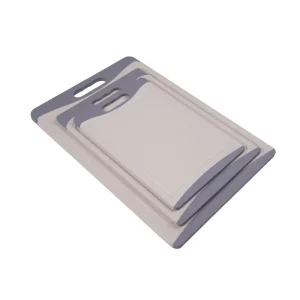
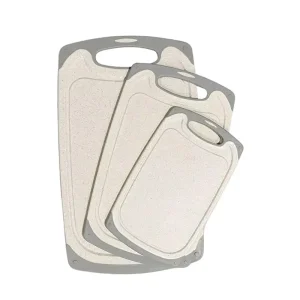
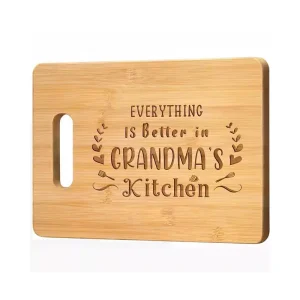
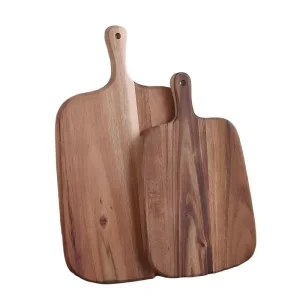
The global kitchenware manufacturing landscape is experiencing a fundamental shift driven by strict environmental regulations, international single-use plastic bans, and rising demand for consumer products that lower global carbon footprints. Traditional plastics and heavy hardwood options are increasingly being replaced by fast-growing, renewable organic composites.
Among these alternatives, Moso Bamboo and agricultural residue composites (such as Wheat Straw combined with food-grade co-polymers) stand out. These materials provide high density, naturally hygienic surfaces, and reliable performance while avoiding the environmental costs of deforestation and chemical-heavy plastic production.
Bamboo reaches harvest maturity in 3-5 years, absorbing up to 35% more carbon dioxide than equivalent stands of hardwood trees.
Our boards feature dense fiber structures that limit deep knife marks, reducing food liquid absorption and inhibiting bacterial growth.
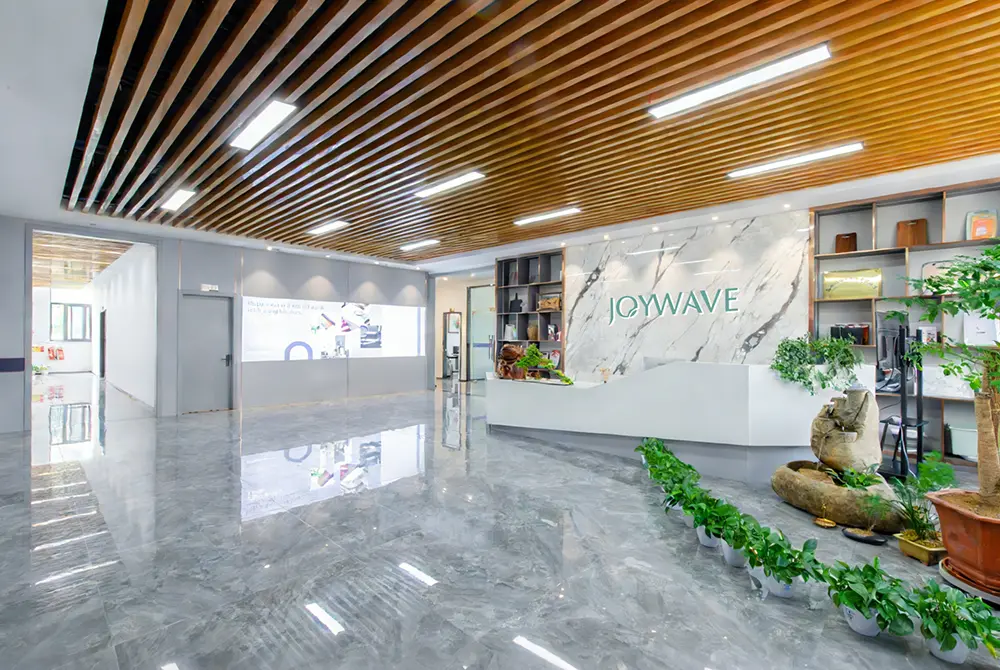
Since 2013, our Ningbo facility has integrated design, engineering, and mass production to supply major global retailers.
As a trusted supplier to Walmart, Costco, Macy's, HomeGoods, and Williams Sonoma, we offer reliable production, customized design services, and robust supply chain solutions tailored to the Central Asian market, particularly for Uzbekistan's expanding distribution channels.
Uzbekistan is currently undergoing rapid retail modernization and industrial growth. Major cities like Tashkent, Samarkand, and Bukhara are seeing significant expansion in retail supermarkets (such as Korzinka and Makro) alongside a booming hotel, restaurant, and catering (HoReCa) sector.
Local traditions place unique demands on kitchen prep tools. Traditional Uzbek cuisine relies heavily on meat and wheat dough preparation (such as Plov, Lagman, and Somsa). This requires heavy-duty, high-impact chopping boards that resist warping and deep knife cuts under intense daily use.
Additionally, the hot and dry climate of Central Asia can cause low-quality solid wood boards to dry out, split, and warp. Modern bamboo and wheat straw composites offer an ideal solution, providing excellent dimensional stability and moisture resistance even during hot Uzbek summers.
A technical breakdown comparing Bamboo and Wheat Straw composites with traditional wood and standard plastic alternatives.
| Performance Indicator | JOYWAVE Moso Bamboo | JOYWAVE Wheat Straw Composite | Standard Softwood / Hardwood | Cheap Recycled Plastics (Non-Food Grade) |
|---|---|---|---|---|
| Bacterial & Odor Resistance | Excellent (Natural antimicrobial quinone content) | High (Dense, non-porous structure) | Low to Medium (Porous, absorbs juices easily) | Poor (Prone to deep, difficult-to-clean knife scars) |
| Climate Adaptability (Dry Heat) | High (Cross-laminated to resist splitting) | Very High (Stable polymer-fiber matrix) | Poor (High risk of warping and cracking) | Medium (Can become brittle over time) |
| Surface Tensile Strength | Harder than Maple (Protects blade edge) | Elastic and resilient (Minimizes micro-chips) | Varies (Prone to splintering) | Soft (Easily gouged by professional blades) |
| Sanitary Certification (EAC/FDA) | Fully Certified (LFGB / FDA / SanPiN) | BPA-Free, Food Contact Safe | Varies (Chemical sealants can leach) | Rarely certified for heavy commercial use |
| Carbon Offset Rating | Excellent (Highly renewable grass species) | Excellent (Reuses agricultural byproducts) | Negative (Contributes to deforestation) | Negative (Fossil fuel-derived) |
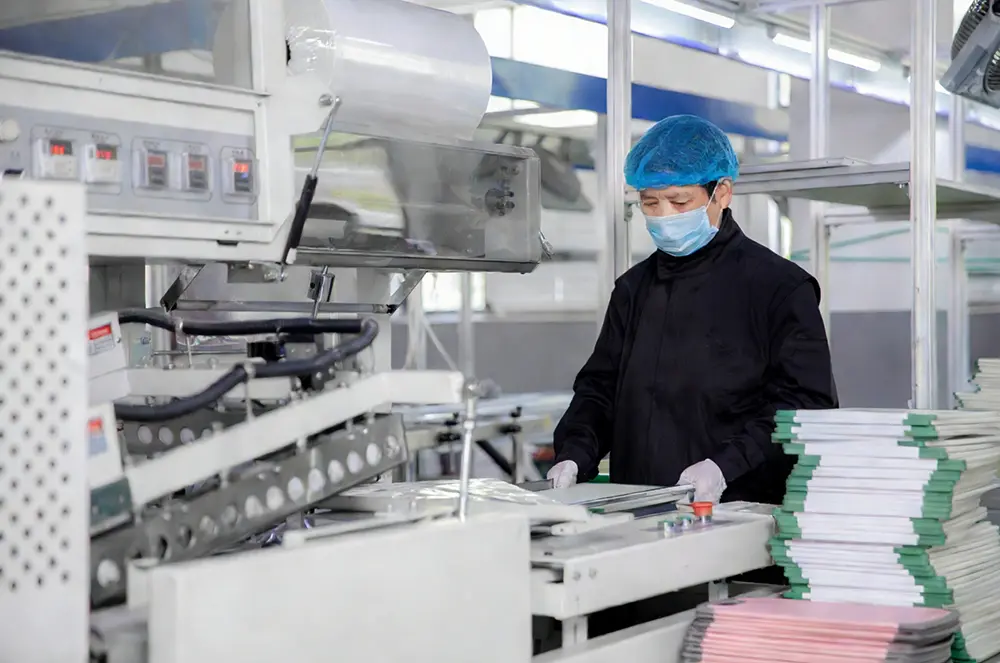
Our clean-room injection molding and precision woodcrafting lines ensure consistent quality and food-safe production.
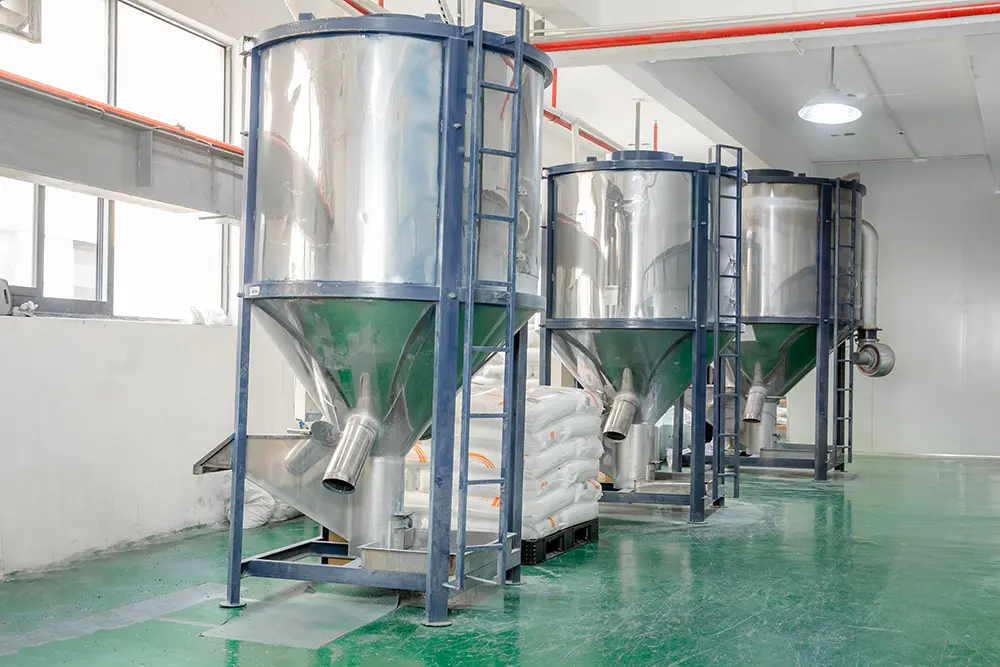
Natural wheat straw fibers or raw bamboo segments are processed and mixed with eco-polymers to ensure a consistent, uniform base.
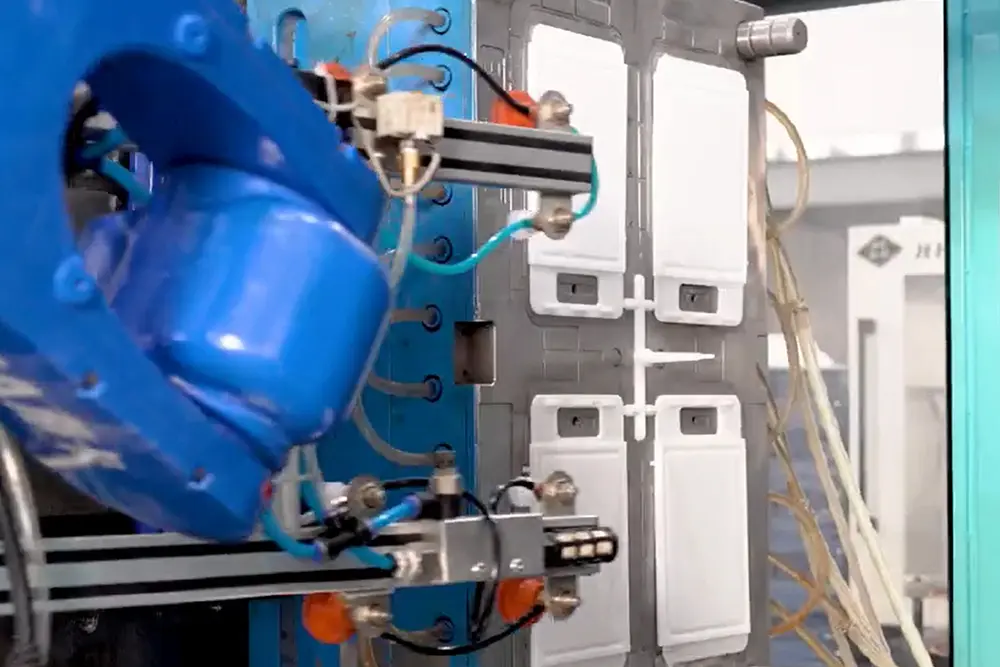
For composite boards, high-pressure injection molding machines shape the boards under strict temperature control for maximum density.
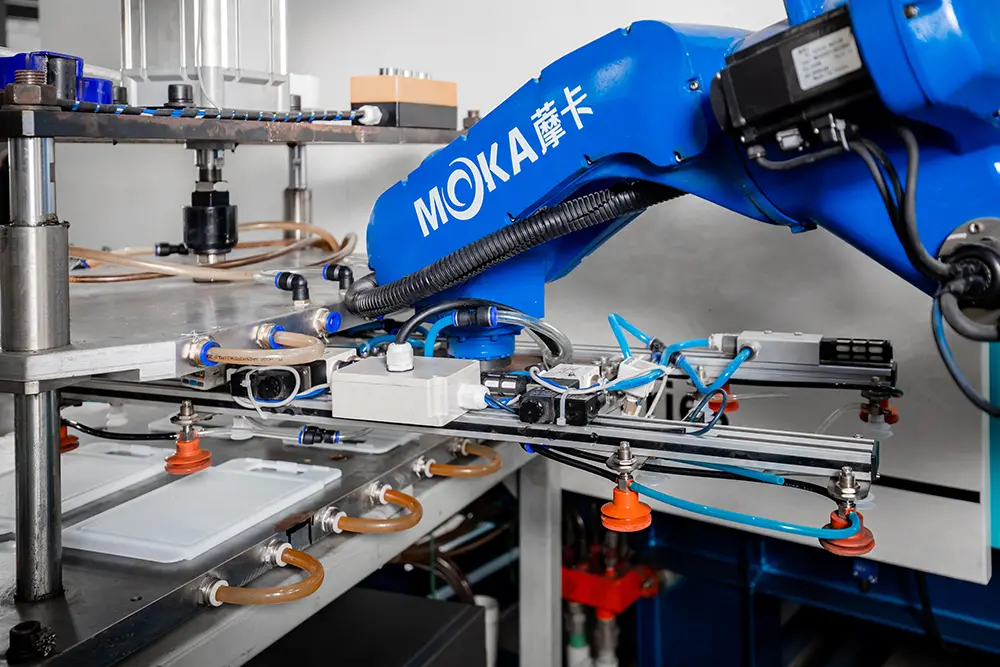
Automated robotic arms safely remove the molded components, preventing contamination and ensuring uniform handling.
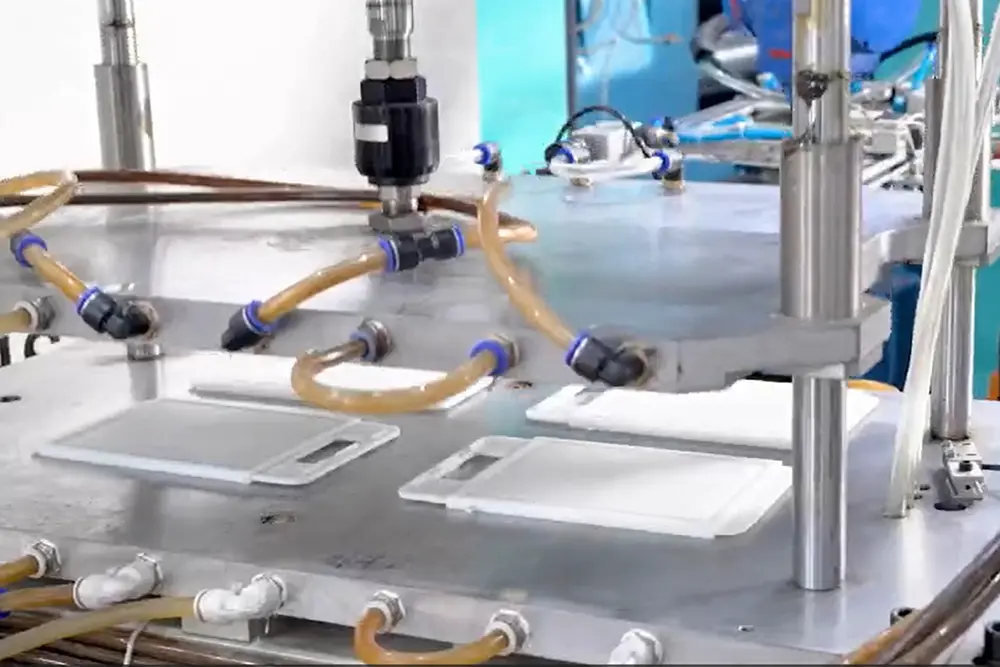
The molded pieces are carefully cooled and compressed under high pressure to ensure flat, warp-free surfaces.
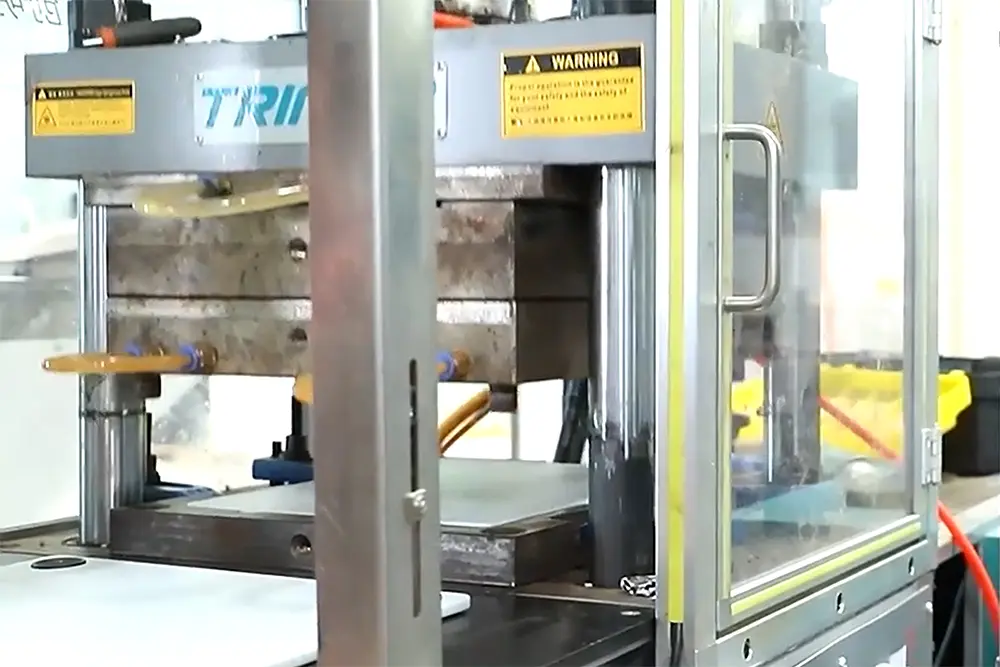
A secondary injection layer of soft Thermoplastic Elastomer (TPE) is applied to the edges to provide a reliable non-slip grip.
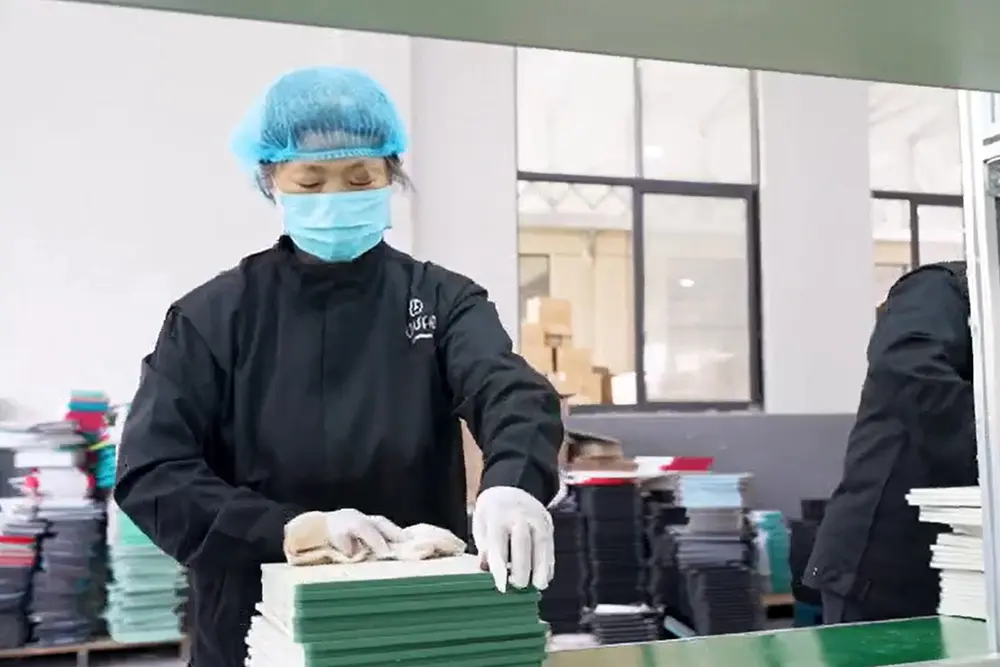
Every board is thoroughly polished, cleared of any production residues, and inspected under bright LED quality controls.
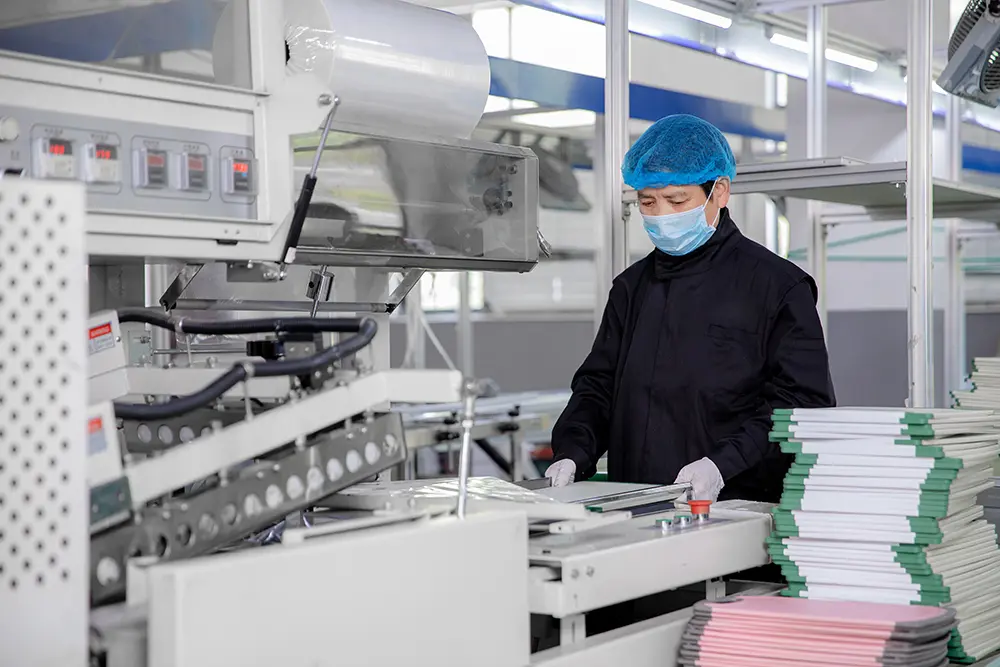
Custom barcode labels, retail wraps, or protective shrink films are applied according to client packaging requirements.
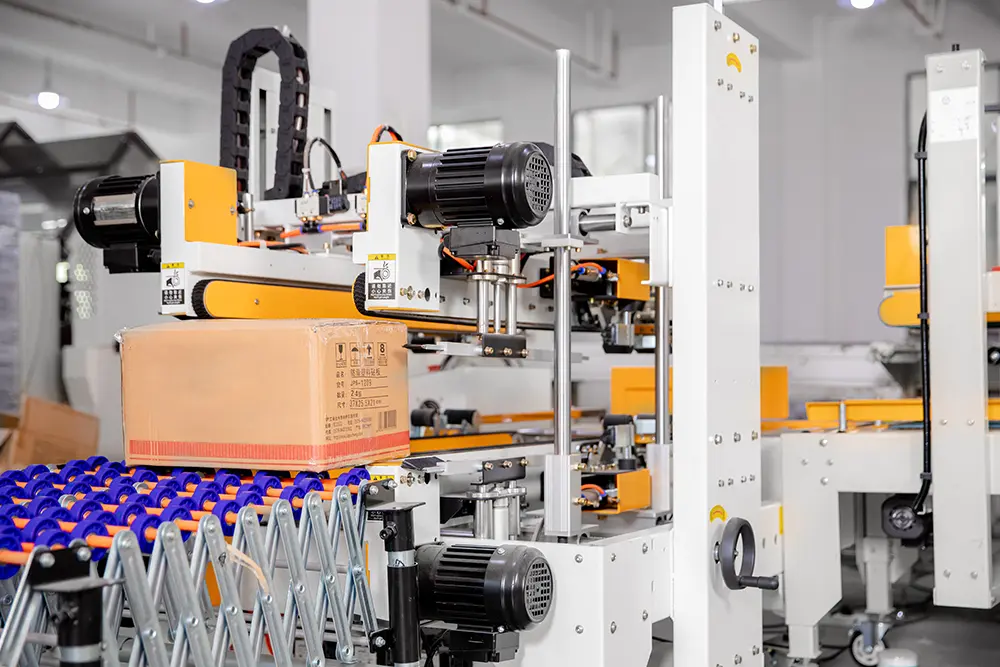
The packaged products are organized into double-walled export cartons, ready to withstand long-distance shipping across Central Asia.
Sourcing household goods into Central Asia requires strict compliance with regional regulations. All JOYWAVE kitchenware products are manufactured to meet EAC (Eurasian Conformity) declaration standards, which are widely accepted across key trade routes.
Our logistics network handles shipping from Ningbo Port through established overland corridors directly to main hubs in Uzbekistan. We offer flexible shipping arrangements to help optimize transport costs and delivery timelines.
Direct rail shipping through Khorgos into the Tashkent dry port network typically delivers in 15 to 22 days, providing a reliable alternative to sea freight.
We supply comprehensive food-safety documentation, chemical testing reports, and raw material certificates to help streamline local customs clearance.
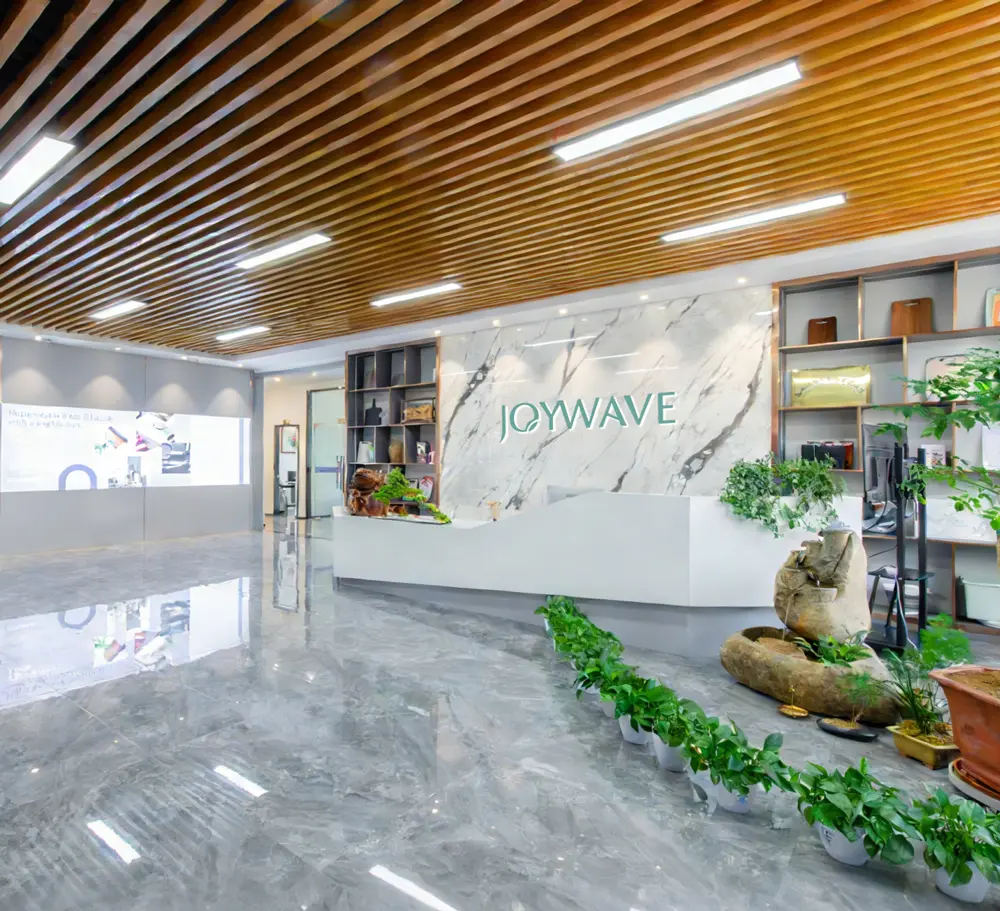
How JOYWAVE is adapting to emerging environmental standards and advancing raw material performance.
As a forward-looking OEM manufacturer, JOYWAVE is committed to ongoing product development. We actively invest in materials research to reduce environmental impact while maintaining product durability. Our current R&D focuses on three primary areas:
By partnering with JOYWAVE, distributors in Uzbekistan and Central Asia gain access to modern kitchenware solutions that align with growing global demand for eco-friendly products.
We prioritize FSC-certified bamboo and traceable agricultural byproducts for all our natural board lines.
Our production methods minimize the use of formaldehyde and volatile chemical coatings.
Our Ningbo facility utilizes modern injection equipment to optimize power usage per production cycle.
Detailed answers to common questions regarding logistics, quality standards, customs clearance, and material options.
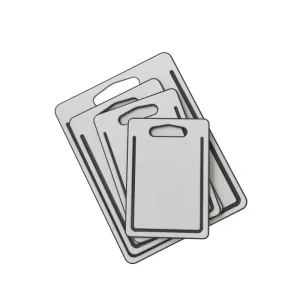
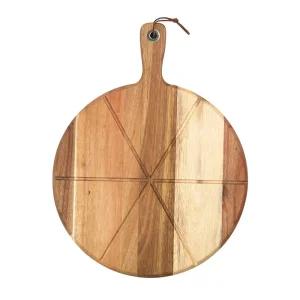
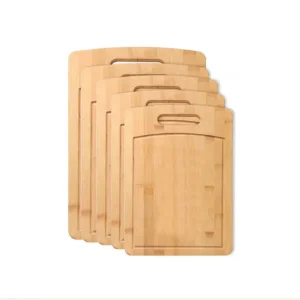
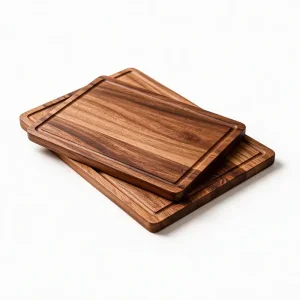
Explore our complete range of certified food-grade prep surfaces, including bamboo, wood, and composite sets.
 Joywave