Explore our top-selling eco-friendly and heavy-duty kitchen prep collections
An in-depth analysis of consumer safety, raw material compliance, and global OEM logistics
Modern kitchenware supply chains are undergoing a paradigm shift driven by stringent regulatory frameworks and consumer demand for absolute safety. Standard food contact materials are no longer evaluated solely on functional durability; instead, chemical inertia, microplastic mitigation, and endocrine-disruptor prevention are key criteria. Regulatory bodies such as the US Food and Drug Administration (FDA) under 21 CFR 177.1520 and the European Food Safety Authority (EFSA) under Regulation (EC) No 1935/2004 dictate strict limits on volatile organic compounds, heavy metals, and bisphenols (BPA, BPS, and BPF).
As a leading OEM supplier, JOYWAVE manufactures cutting boards with food-grade virgin polypropylene, pesticide-free bamboo, and premium sustainably harvested hardwoods. Our plastic matrices avoid recycled resins that contain trace contaminants, ensuring our boards are free from toxic phthalates and heavy metal residues. Our high-density, non-porous formulations minimize knife gouging, reducing microplastic shedding during food preparation.
Founded in 2013 in Ningbo, China, JOYWAVE has spent over a decade establishing itself as a premier kitchenware manufacturing partner. We integrate in-house design, mold engineering, and automated production facilities. Our core capabilities span custom plastic formulations, bamboo and premium wood carving, and specialized hybrid materials. Over the last 12 years, our operations have evolved to support global supply chains, serving major retailers like Walmart, Costco, Macy's, HomeGoods, and Williams Sonoma.
China remains a primary hub for high-volume kitchenware manufacturing due to its comprehensive industrial clusters. JOYWAVE’s facility in Ningbo offers distinct competitive advantages:
Adapting product design to meet the needs of the modern, health-conscious consumer
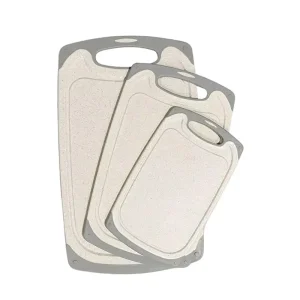
Consumers are actively seeking alternatives to standard plastics. The rise of bio-composite cutting boards, such as those made from agricultural byproducts like wheat straw, provides a durable, heat-resistant, and biodegradable solution that reduces carbon footprints without sacrificing performance.
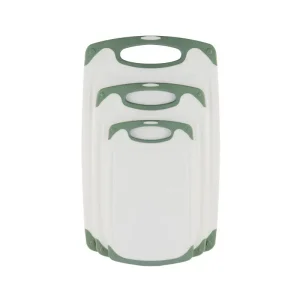
Preventing cross-contamination is a primary focus for commercial and home kitchens alike. Modern food-safety regulations recommend color-coded sets (e.g., green for vegetables, red for raw meats, blue for seafood) to keep prep areas separate and sanitary.
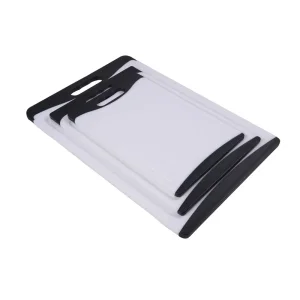
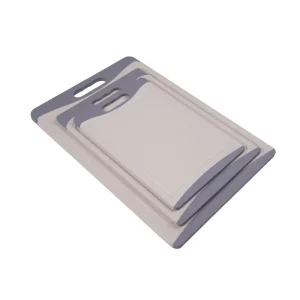
Ergonomics and safety are key to prevention in the kitchen. Dual-material over-molding processes integrate slip-resistant TPE borders onto rigid polypropylene bodies, ensuring boards remain stable on wet countertops during heavy chopping.
We manufacture custom boards engineered for diverse commercial and residential applications
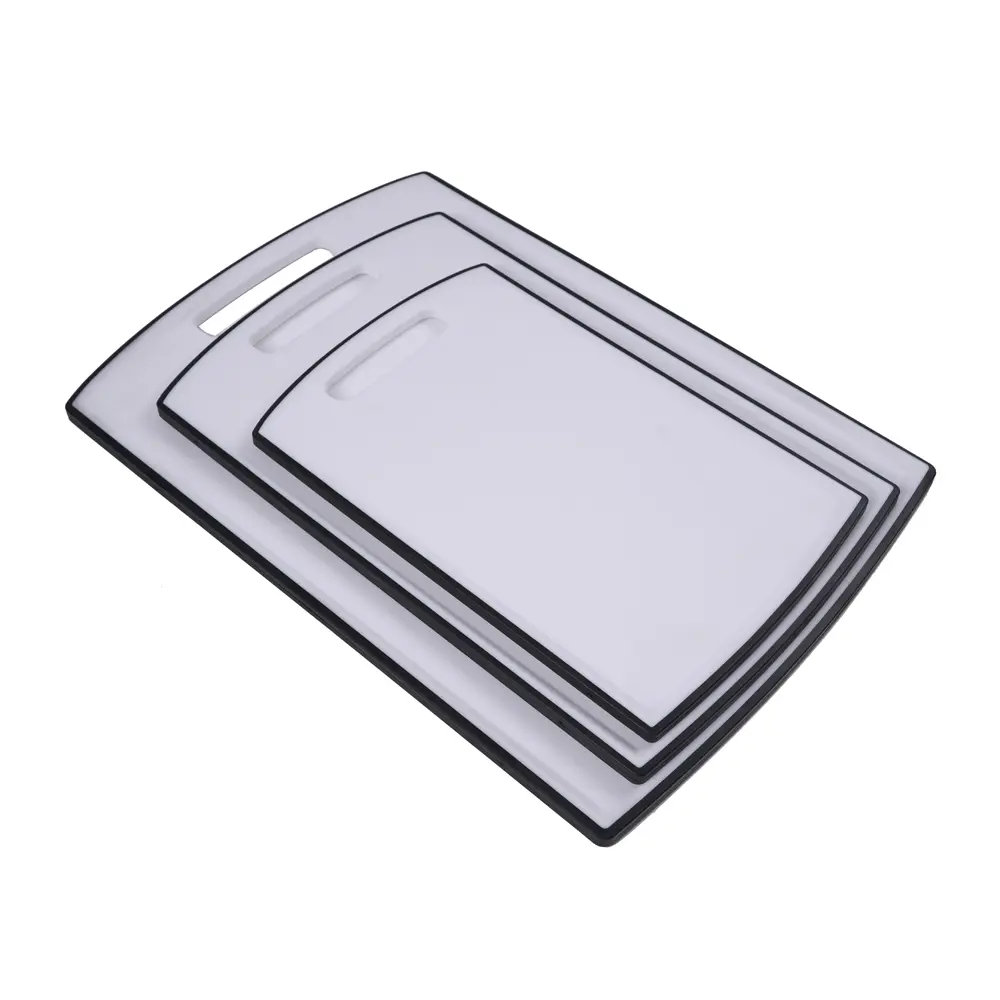
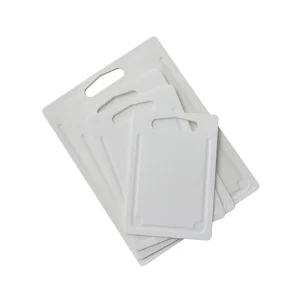
Our polymer boards are engineered using high-density virgin resins that resist deep grooves and surface scoring. They are completely dishwasher safe, highly hygienic, and do not harbor bacterial colonies. TPE non-slip edges are co-molded for additional safety during food preparation.
Explore Poly Range
Using agricultural crop residue, this material is blended with food-grade polymers to create a lightweight, organic-looking board. It reduces standard plastic usage by up to 30%, is fully recyclable, and offers a premium speckled aesthetic that appeals to green consumers.
Explore Eco-Straw Range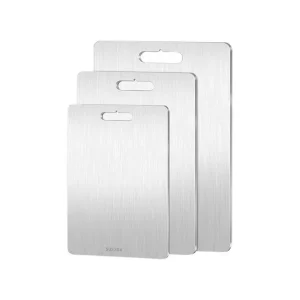
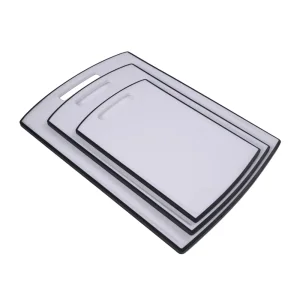
For high-hygiene food processing, our premium dual-sided stainless steel boards provide a non-porous surface that is easy to sanitize. Ideal for dough prep, fish, and raw meat, stainless steel minimizes bacterial growth and does not absorb food odors.
Explore Metal Range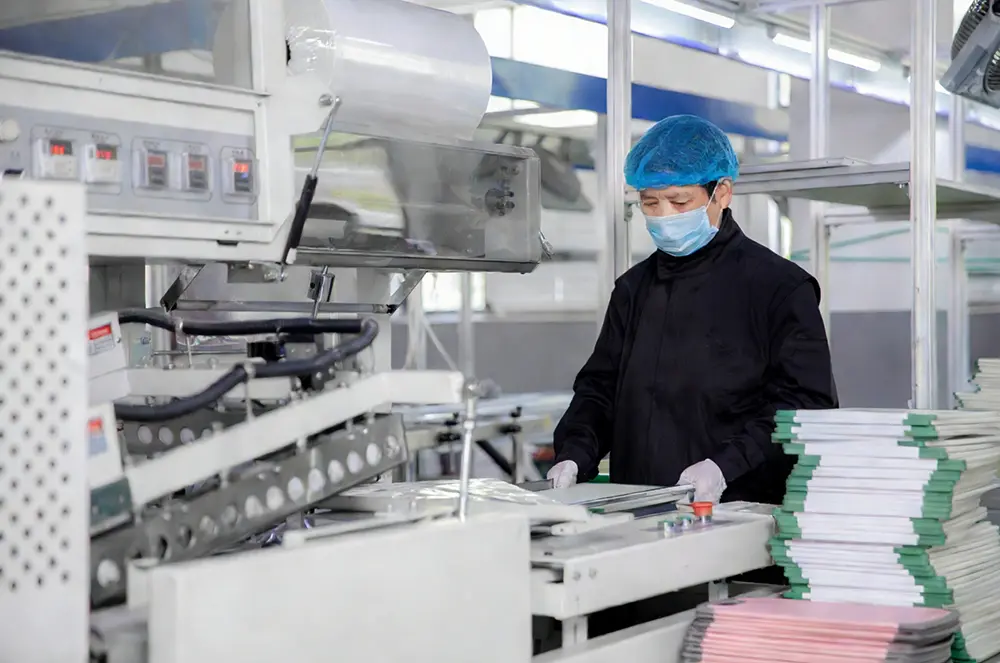
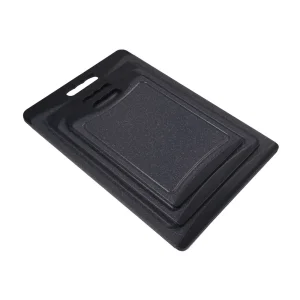
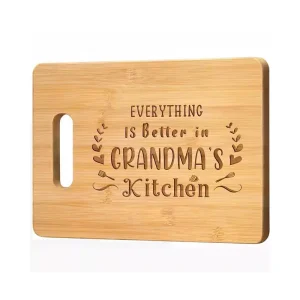
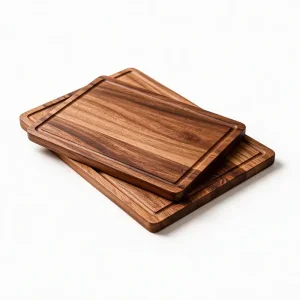
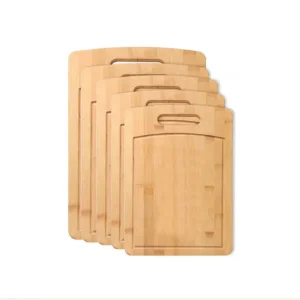
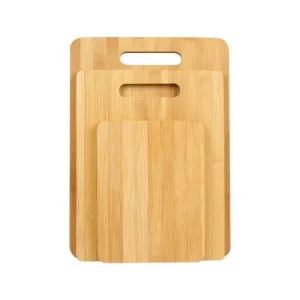
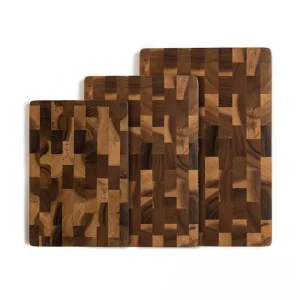
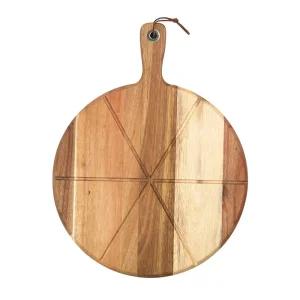
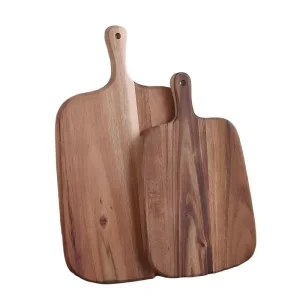
We source high-quality Acacia, Walnut, and organic Bamboo. Our production processes ensure the wood is kiln-dried to optimal moisture content (8-12%) to prevent warping and cracking. Assembled using food-safe, formaldehyde-free adhesives, these boards provide a knife-friendly prep surface.
Explore Hardwood RangeEnsuring quality control at every stage of the manufacturing cycle
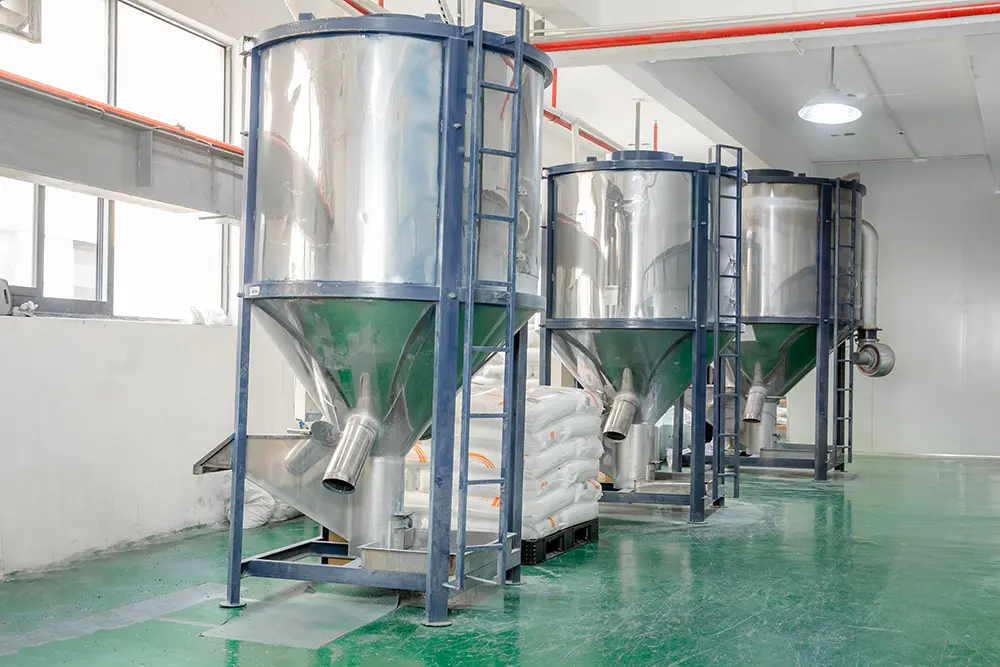
Color powders and raw virgin polymers or bio-resins are fed into automated high-shear blenders to ensure an even distribution of pigments and additives, guaranteeing uniform density and color fastness.
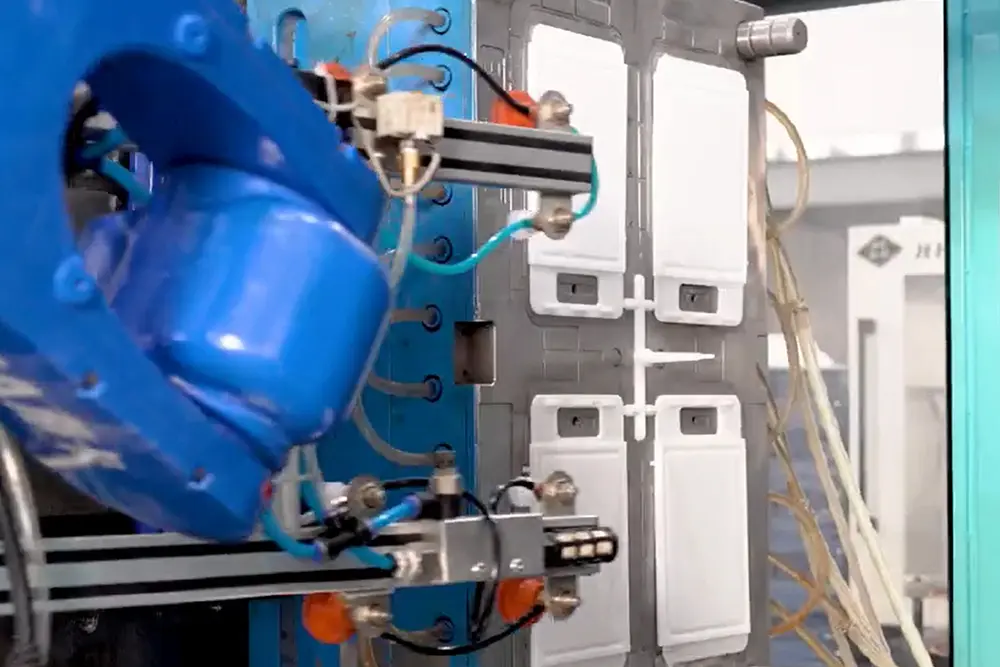
The blended material is heated and injected into precision steel molds under high pressure. This ensures the board’s core structural integrity and eliminates internal voids or air pockets.
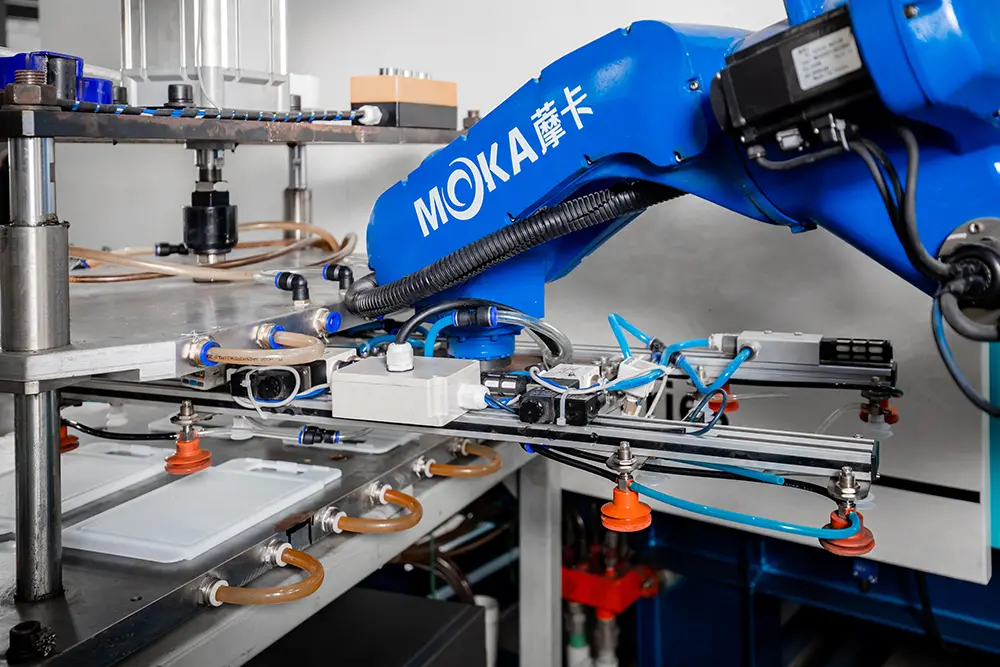
Automated multi-axis robotic arms extract the hot boards from the mold, ensuring consistent cycle times and protecting staff from high temperatures while avoiding manual damage.
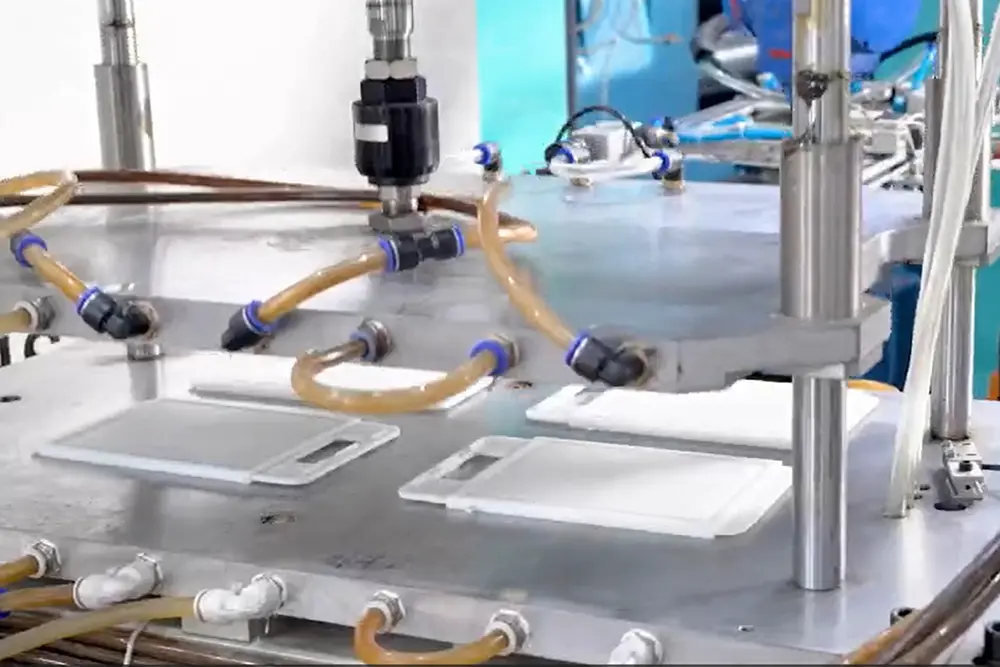
To prevent thermal warping or shrinkage, boards are loaded into heavy flattening presses during the cooling phase. This guarantees flat surfaces that sit securely on prep tables.
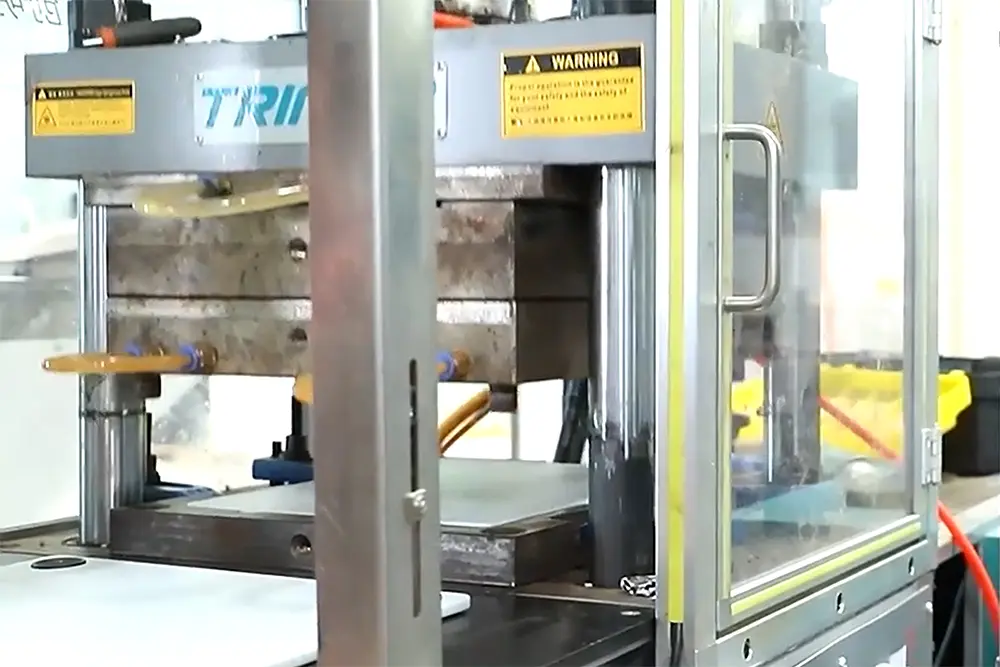
The cooled board is transferred to a secondary molding station where food-grade TPE borders and handles are co-injected, bonding permanently to the base board to create non-slip grip zones.
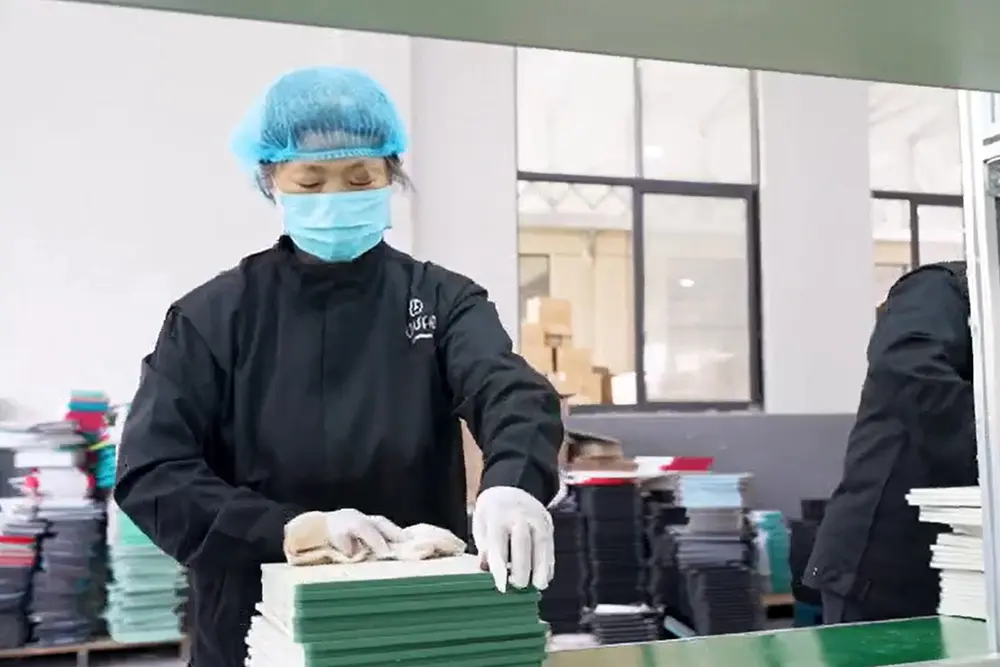
Each unit undergoes manual and mechanical trimming of flash lines. Surfaces are wiped and vacuumed to remove fine dust, preparing them for final retail packaging.
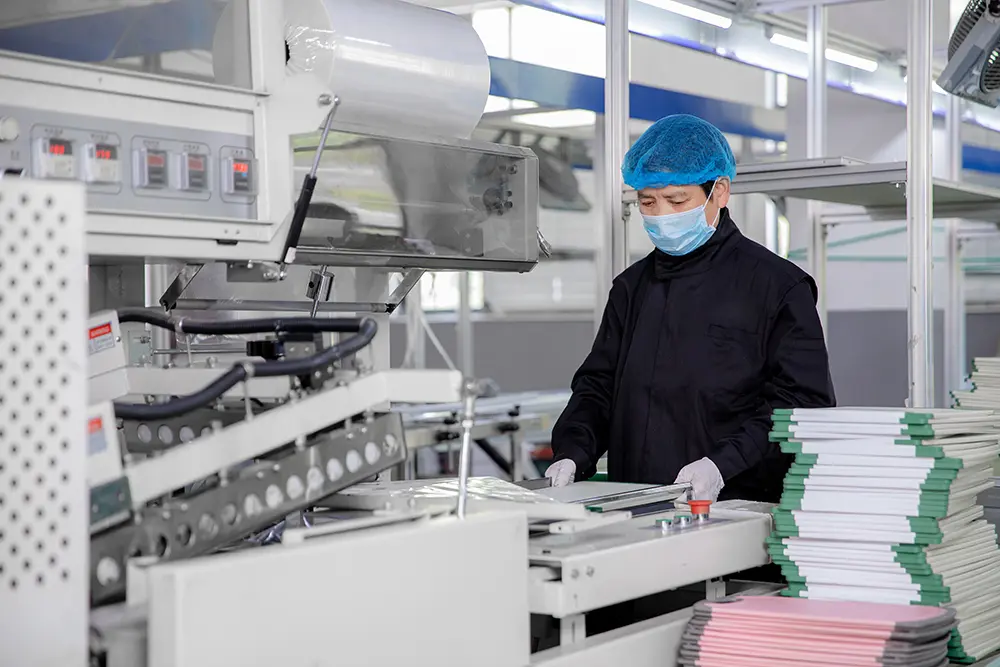
Retail-ready labels, UPC codes, and brand inserts are applied. The boards are then fed through an automated heat-tunnel shrink-wrapping machine to seal them against dust and moisture.
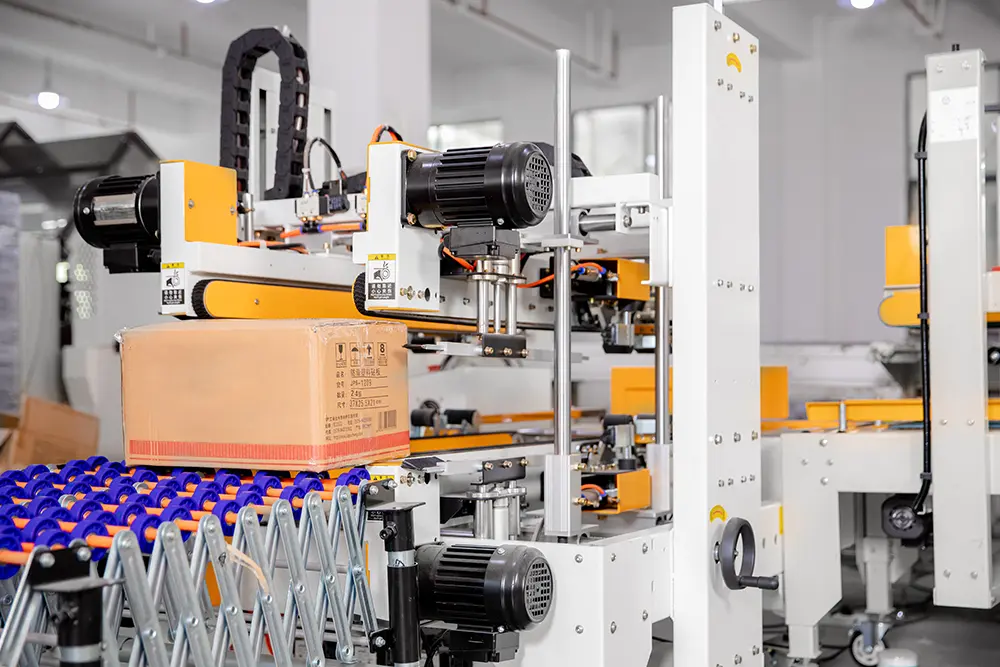
Wrapped products are packed into heavy-duty corrugated export cartons, palletized, and transferred to our climate-controlled warehouse to await loading and international logistics transit.
How we address the specific regional requirements of international retail markets
Global sourcing managers face several challenges, including navigating varying regional regulatory requirements and managing volatile shipping costs. JOYWAVE addresses these concerns by offering tailormade, end-to-end support that simplifies product development and helps clear custom checks smoothly.
For retailers in the United States and Canada (such as Walmart and Costco), supply chain transparency and ethical sourcing are non-negotiable. Our production facilities hold BSCI (Business Social Compliance Initiative) and SMETA audits, verifying fair labor practices, safe working conditions, and environmental compliance. Additionally, North American markets favor heavy-duty, oversized boards with juice grooves to catch drippings from roasts and turkey, requiring robust materials that resist cracking in dry environments.
The EU market enforces strict migration limits for plastic contact surfaces. Our products undergo rigorous testing to ensure zero chemical migration under simulated contact with acidic, fatty, and aqueous foods. Furthermore, European consumers actively look for packaging that minimizes single-use plastics, prompting us to offer minimalist, FSC-certified cardboard sleeve packaging options.
To support retail distribution networks, JOYWAVE provides flexible shipping arrangements, including FOB Ningbo, CIF destination ports, and consolidations. We coordinate directly with third-party freight forwarders to optimize container loading configurations, reducing overall transport costs per unit.
Expert answers to common B2B procurement and material safety questions
A non-toxic cutting board is made from chemically inert, food-grade materials that do not leach harmful compounds (such as BPA, BPS, phthalates, formaldehyde, or heavy metals) into food during preparation. Materials must comply with FDA and LFGB standards and resist deep scarring to prevent bacteria from accumulating in grooves.
We source virgin polymers directly from certified manufacturers and require Certificate of Analysis (COA) reports for every batch. For wood and bamboo, we inspect incoming timber for moisture level and verify that all glues used in edge-grain or end-grain assembly are food-grade and formaldehyde-free.
Yes. Our in-house engineering team can develop custom 3D models based on your requirements. We offer custom pantone colors, integrated slip-resistant patterns, laser-engraved logos for wood boards, and customized retail packaging for global brands.
Upon design approval, prototype mold development and sampling take approximately 25 to 30 days. Mass production is typically completed within 35 to 45 days, depending on order volume and material specifications.
Yes, our plastic and wheat straw composite boards are engineered to withstand the high temperatures and detergents used in commercial and residential dishwashers without warping, splitting, or degrading.
Durable, certified solutions designed for home kitchens and commercial food service
Have questions about material specifications, volume pricing, testing certifications, or custom design requirements? Our engineering and sales teams are here to help.
Response Time Guarantee: We review all technical and volume inquiries and respond with comprehensive options within 24 hours.
 Joywave