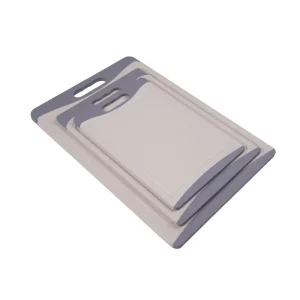
Direct access to high-capacity manufacturing lines specializing in commercial-grade and consumer kitchen surfaces.
How smart procurement teams are bypassing basic distribution models to capitalize on material science advancements and high-capacity manufacturing lines.
The modern cutting board market is no longer defined by simple timber carving or generic plastic extrusion. Today, it represents a highly specialized sector of food-grade material engineering. As global regulatory bodies like the FDA, LFGB, and CE strengthen chemical safety protocols, major retail networks require strict supply chain tracing. Sourcing teams now demand custom formulation matrices, such as polymer-rubber compounds that maintain elasticity without shedding microplastics.
Consequently, the concentration of manufacturing expertise has centered around industrial clusters in regions such as Ningbo, China. This proximity offers access to refined petrochemical supply chains, abundant sustainable bamboo reserves, and advanced logistics hubs. Factories in this region function as end-to-end design partners rather than simple transactional manufacturers.
An analysis of raw material performance metrics, chemical compliance, and durability testing in industrial applications.
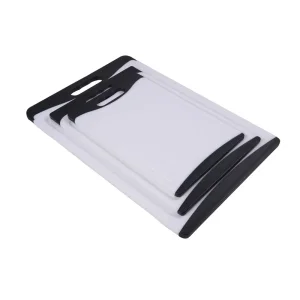
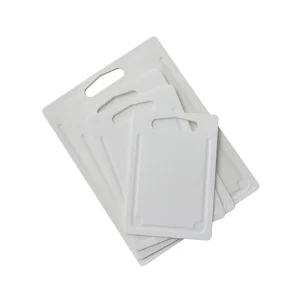
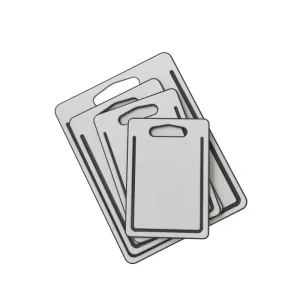
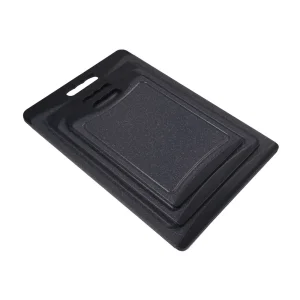
Thermoplastic resins form the core of commercial food prep lines. Utilizing premium, BPA-free virgin polypropylene compounds mixed with elastomer modifiers, JOYWAVE manufactures non-slip surfaces that resist deep knife scoring. This micro-texture prevents bacterial nesting and withstands high-temperature cycles in commercial sanitizing systems.
Addressing the market push for circular economies, we refine agricultural byproduct fibers (such as wheat straw) and blend them with food-grade polypropylene. This reduces petroleum reliance by up to 35% while maintaining tensile strength, thermal resistance, and dishwasher compatibility. It also aligns with corporate environmental mandates.
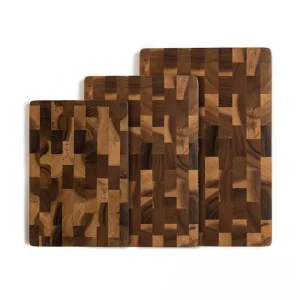
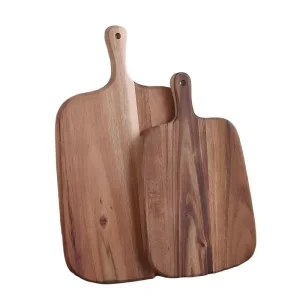
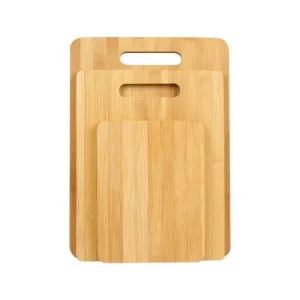
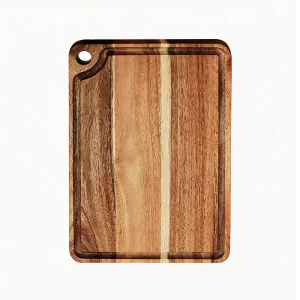
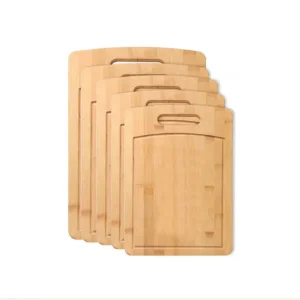
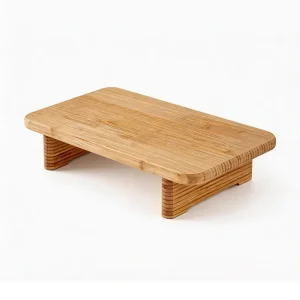
For premium consumer brands, natural fiber orientation is critical. We harvest mature Acacia wood and Moso bamboo, subjecting the raw timber to kilning processes that reduce core moisture levels below 8%. This prevents warping, splitting, and biological contamination. End-grain fiber construction absorbs impact energy, preserving expensive cutlery edges.
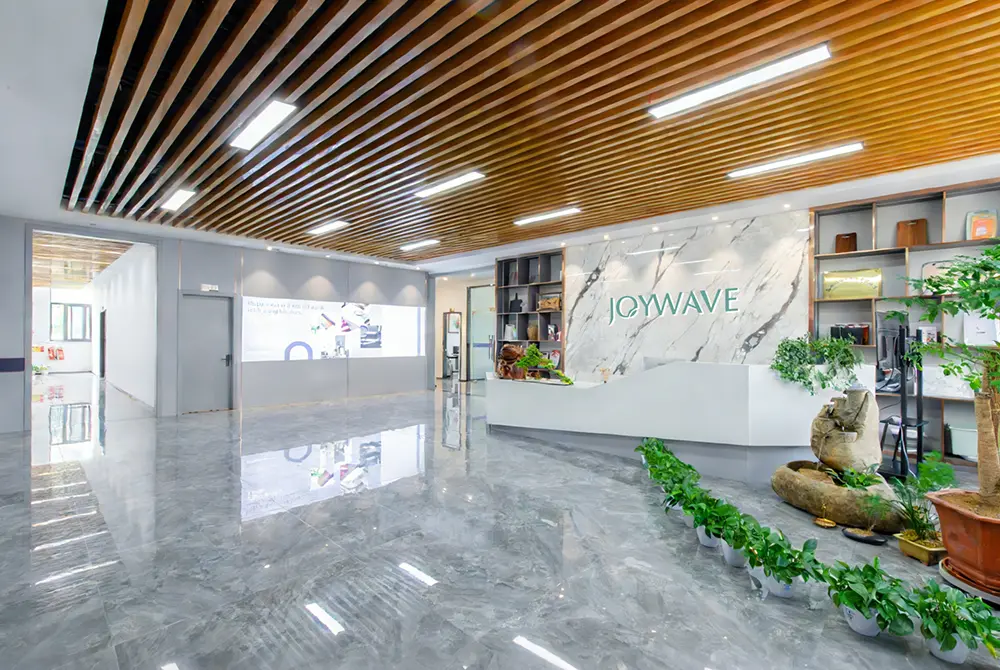
Founded in 2013 in Ningbo, China, JOYWAVE integrates in-house product design, precision tooling, and high-volume manufacturing under one roof.
We serve as a core manufacturing partner for major multi-national retail chains and boutique brands across North America and Europe, including Walmart, Costco, Macy's, HomeGoods, and Williams Sonoma. Our operations maintain global social compliance certifications, ensuring ethical manufacturing processes, fair labor practices, and clean facility working conditions.
Our foundational design expertise spans cutting boards, flexible preparation mats, and serving trays. This has expanded into a comprehensive kitchen catalog, including custom food containers, specialized baking tools, high-carbon cutlery, and smart kitchen organizers. Our facilities allow international buyers to source consolidated, cohesive product lines from a single manufacturer.
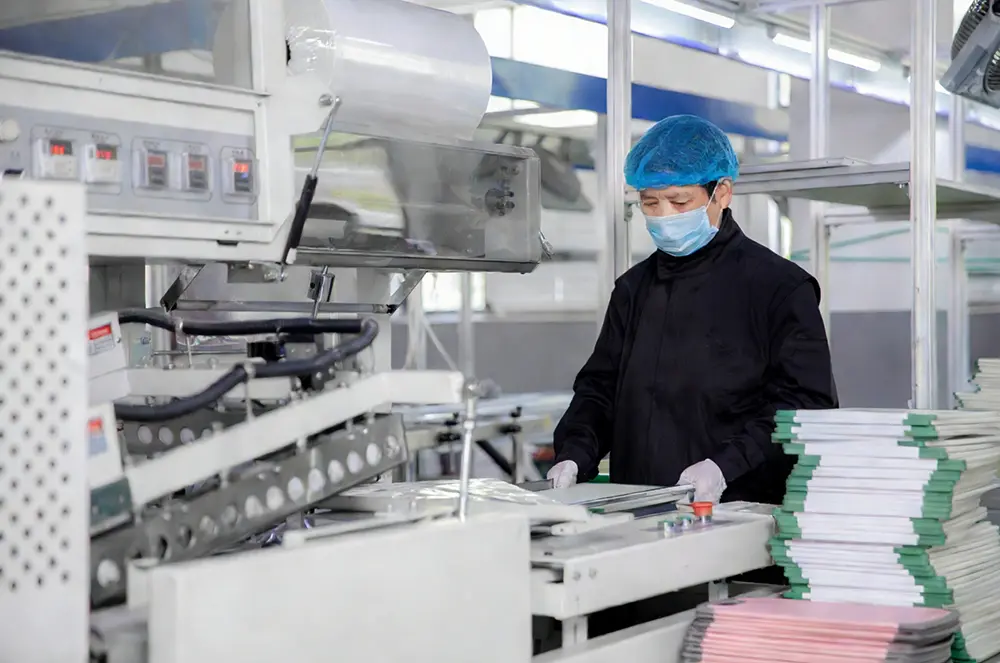
How raw polymers and natural fibers are processed into commercial-grade cutting surfaces through automated machinery.
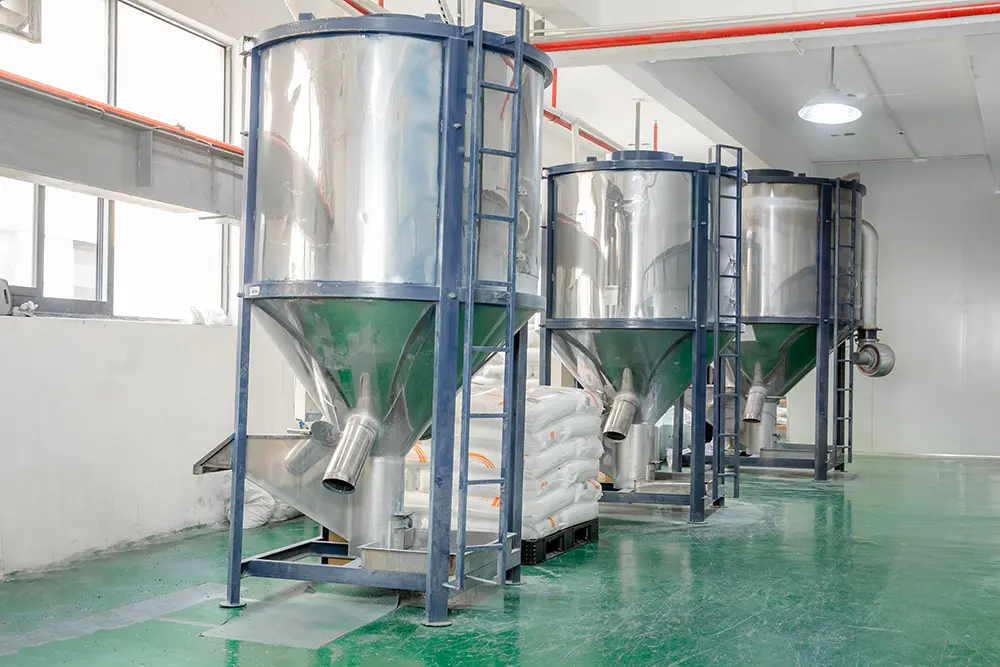
High-purity raw polymers are combined with colorants and stabilizers in computerized blenders to ensure batch uniformity.
Computerized high-tonnage molding machines inject molten plastic into steel toolings to form the board's core shape.
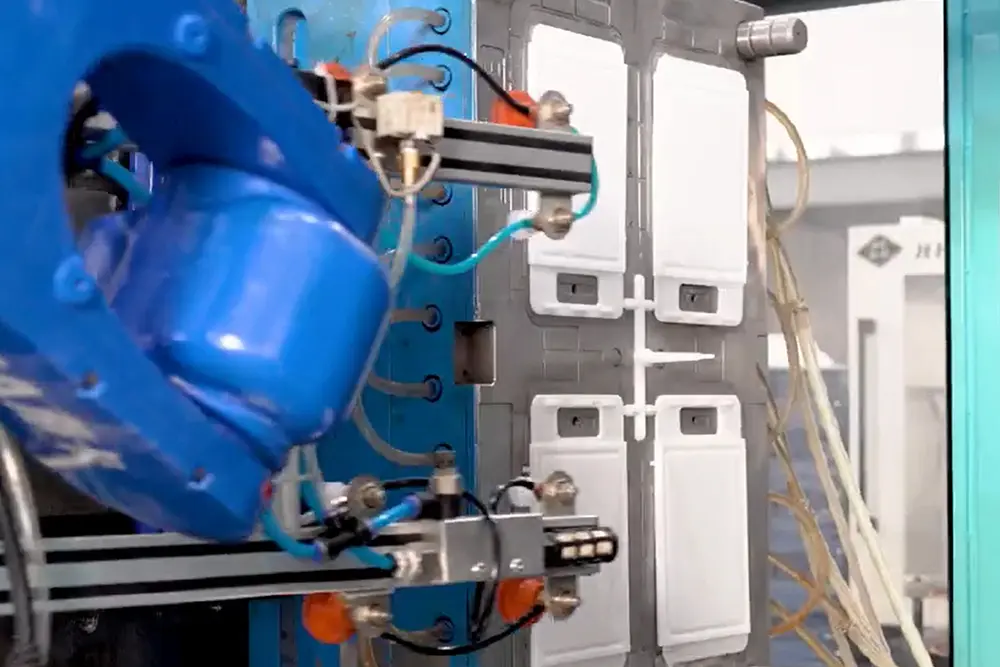
Automated multi-axis robotic arms extract the hot molded parts, minimizing surface damage and contamination.
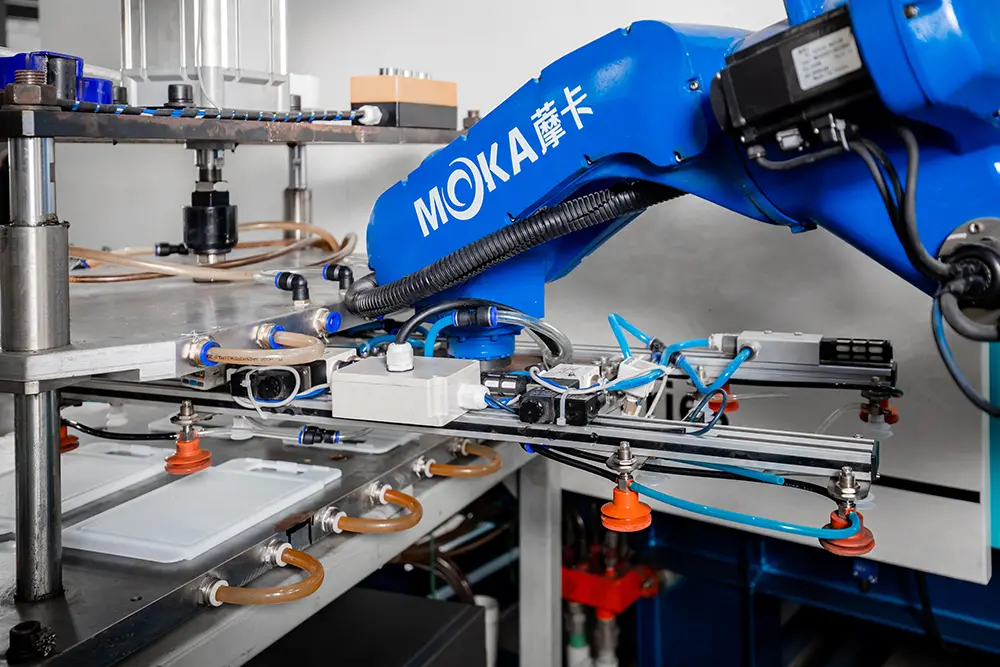
Extruded boards are placed into cooling jigs to relieve internal material stresses and ensure surface flatness.
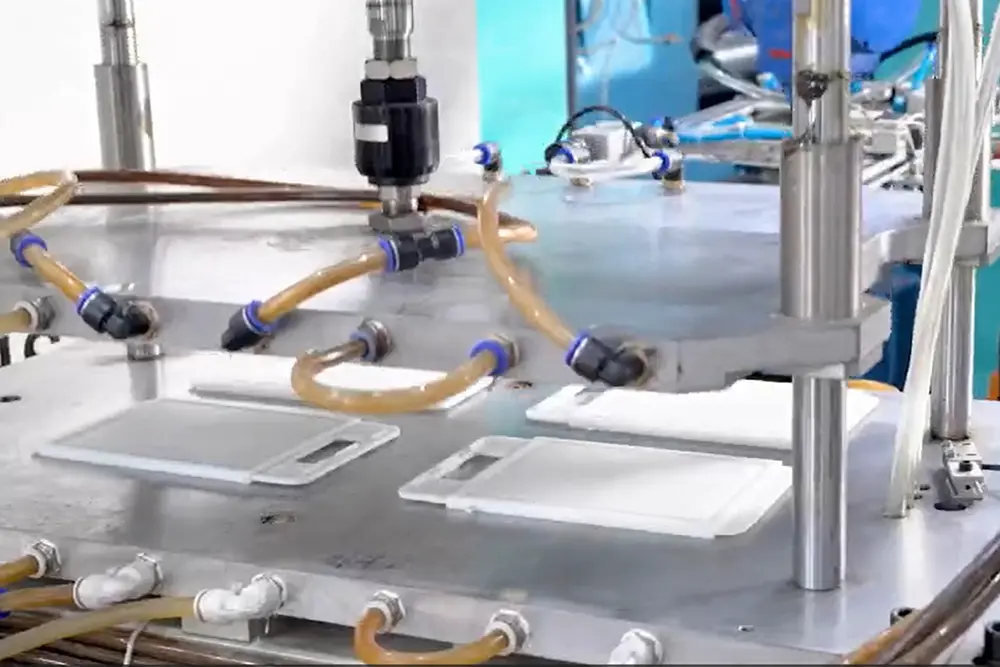
A secondary injection process applies liquid TPE (thermoplastic elastomer) to the edges, creating non-slip grip zones.
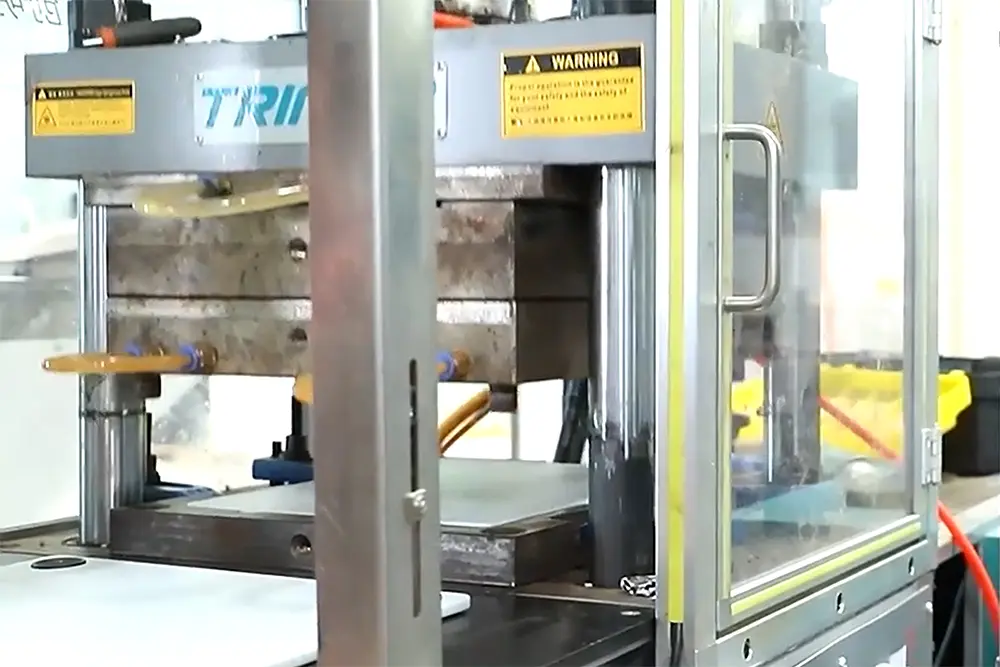
Finished boards are processed through de-flashing stations and cleaned to remove manufacturing residue.
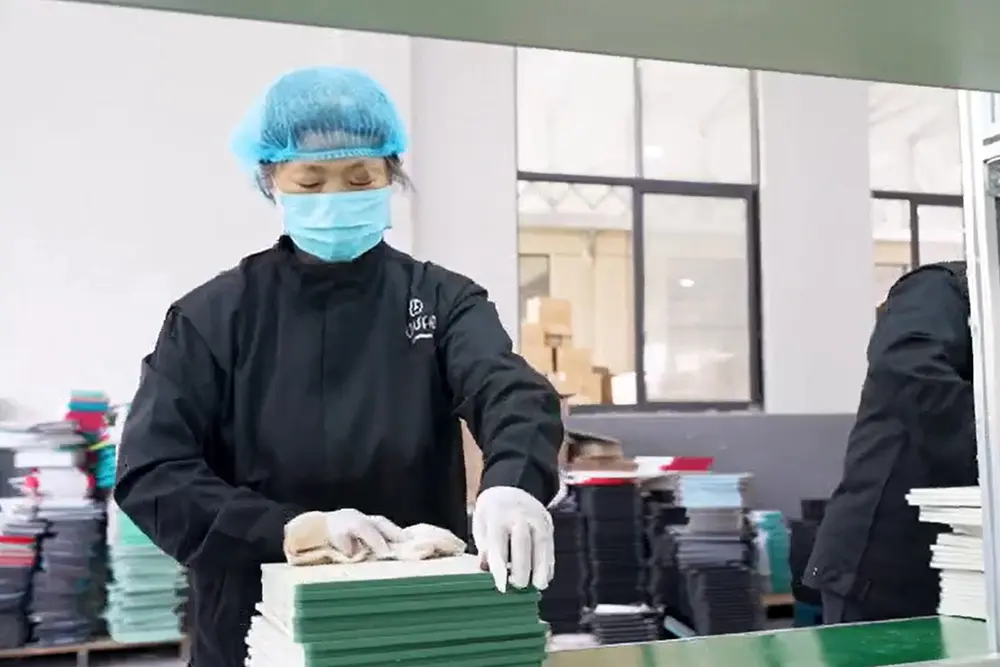
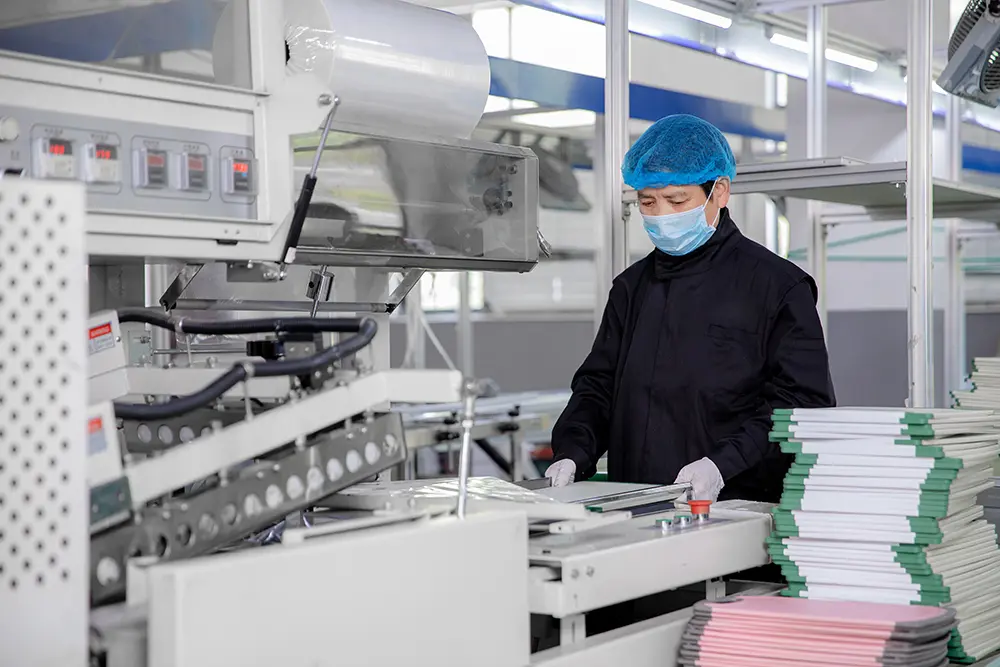
Automated packaging machines apply protective film and product labels to prevent shipping damage.
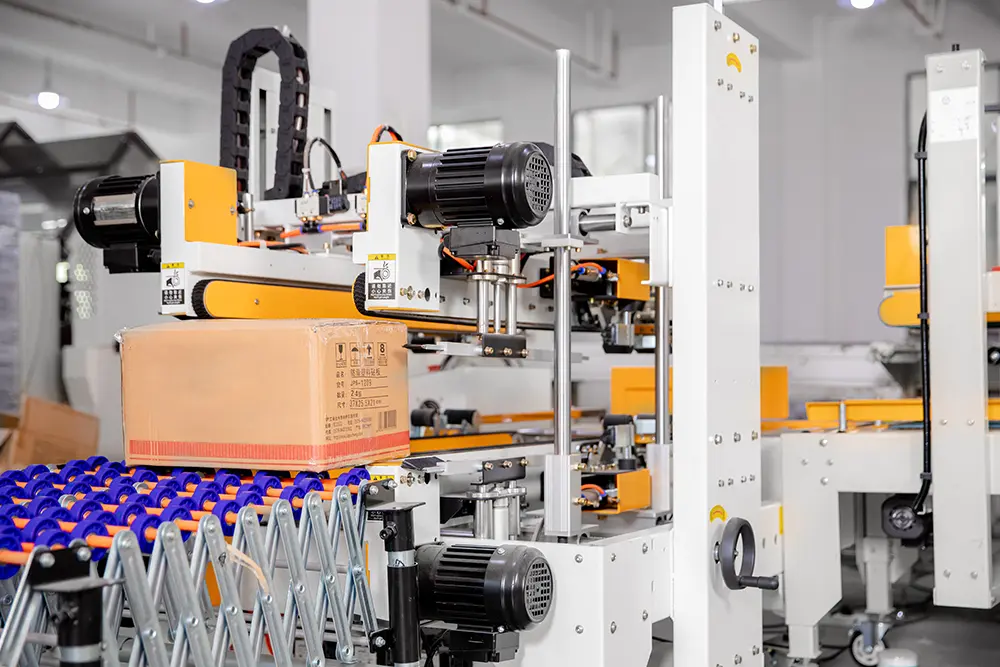
Products are packed into heavy-duty corrugated cartons, ready for palletization and marine transport.
Strategic innovations that will shape food preparation surfaces over the next decade.
The cutting board is evolving from a passive prep block into a connected kitchen interface. Future product designs incorporate embedded digital scales and wireless communication chips to sync ingredient weights directly with recipe applications. This offers tech-forward brands a premium, differentiated product line.
Maintaining sanitary conditions is a priority for commercial kitchens. JOYWAVE is testing nano-silver composites integrated during the polymer mixing stage. This provides continuous anti-microbial protection that won't wash off, helping brands appeal to health-conscious consumers.
Global regulations increasingly require brands to track the total carbon footprint of their products. Our roadmap focuses on transitioning to 100% PCR (Post-Consumer Recycled) ocean plastics and sustainably farmed timber, verified by third-party carbon audit reports.
Mitigating global supply chain volatility through optimized shipping and customized manufacturing schedules.
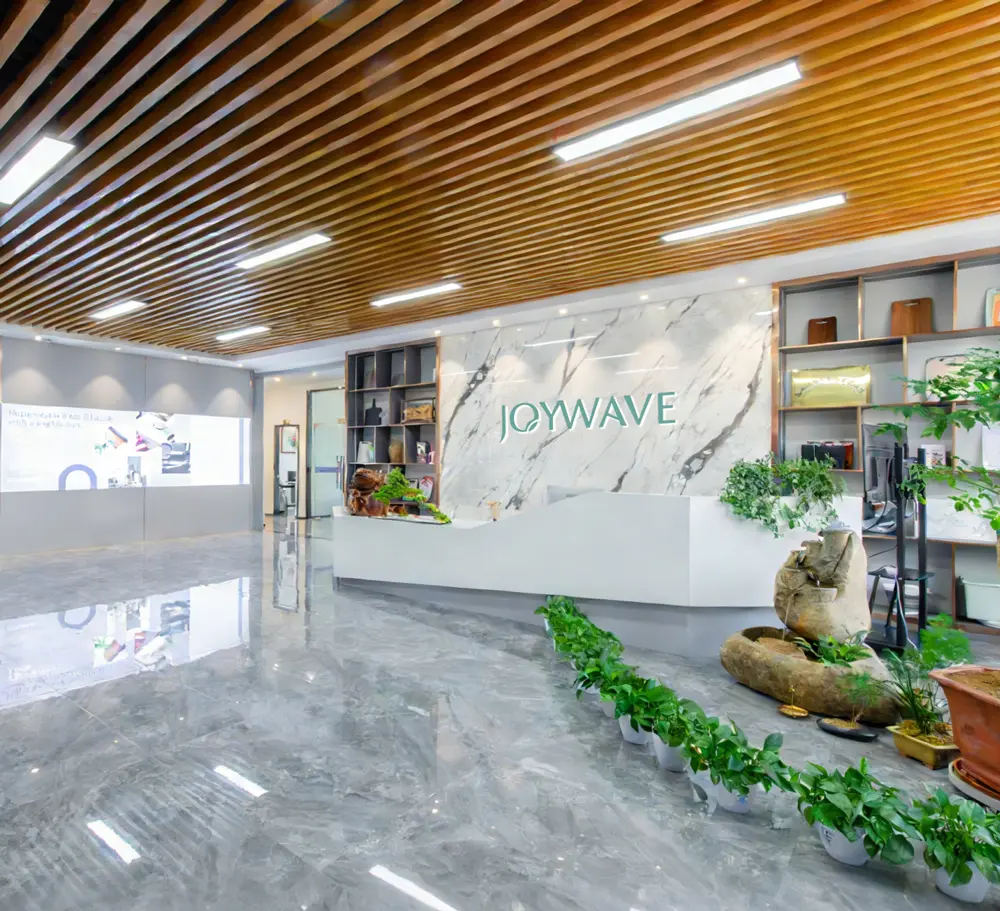
For international buyers, transportation costs can impact margins. JOYWAVE's production facility in Ningbo is located near one of the world's largest deep-water cargo ports. This geographic location allows for direct container loading, reducing inland drayage costs and shipping transit times.
We work with major logistics providers to support DDP (Delivered Duty Paid), FOB (Free On Board), and CIF (Cost, Insurance, and Freight) terms. Our staff handles all customs declarations, tariff codes, and compliance documentation, ensuring a smooth import process for retail partners in North America, Europe, and Turkey.
Answers to key technical, logistical, and compliance questions regarding our OEM production services.
Standard production runs start at 3,000 units per size/color for molded plastic and bio-material designs. Custom timber layouts like end-grain Acacia usually require lower MOQs of around 1,000 units, depending on dimensions and raw material availability. Sourcing managers can request trial orders for evaluation.
We source raw plastic resins and additives only from certified suppliers. Every batch undergoes migration testing to verify it is free from lead, heavy metals, phthalates, and bisphenols (BPA/BPS). We provide complete chemical testing documentation for customs clearance and retail compliance.
Mold design and prototype creation takes 20 to 30 days. Once the pre-production sample is approved, high-tonnage injection molding and automated packaging takes 30 to 45 days. We maintain safety stock of raw materials to expedite repeat orders.
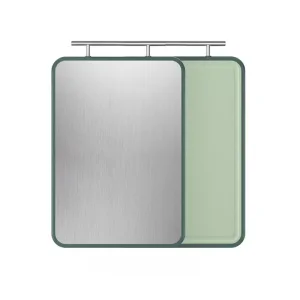
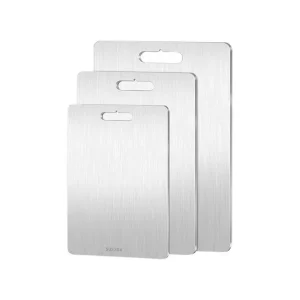
Yes, we specialize in multi-material integration. We bond food-grade SUS 304 stainless steel with polypropylene or engineered wood cores. This provides a hygienic, easy-to-clean side for raw meats and a gentle surface for vegetables on the reverse.
We offer laser marking for wooden products, debossing and embossing for molded plastics, and silk-screen or pad printing for brand logos. All branding inks are food-grade and wear-resistant.
We dry our wood to a target moisture content of 8-12%. We use cross-grain lamination techniques and high-strength adhesives to counteract the natural expansion and contraction of the wood fibers, ensuring stability.
Our quality control system uses an AQL 2.5/4.0 standard. We conduct in-line checks, automated dimensional inspections, and final pre-shipment evaluations to ensure every batch meets your specifications.
Our proximity to the Port of Ningbo reduces internal transportation costs. This enables efficient container consolidation and allows us to offer competitive FOB pricing compared to inland facilities.
Explore our complete catalog of certified kitchenware, designed for global markets.
 Joywave