1. The Shift Toward Food-Safe Circular Materials
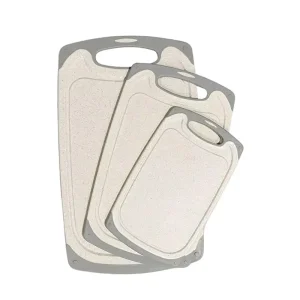
In the contemporary B2B kitchenware market, European and North American buyers are showing a strong preference for recycled polymers (such as post-consumer PP) and natural bio-composites. Wheat straw composite cutting boards have transformed from a niche product into a mainstream retail requirement. Integrating agricultural by-products into structural kitchen boards reduces synthetic polymer demand by up to 30%, which brand owners utilize to appeal to carbon-conscious consumers.
2. Dual-Sided Structural Integration
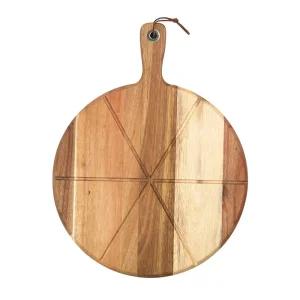
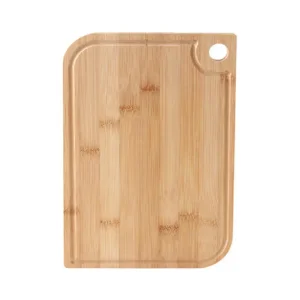
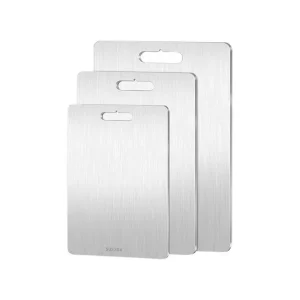
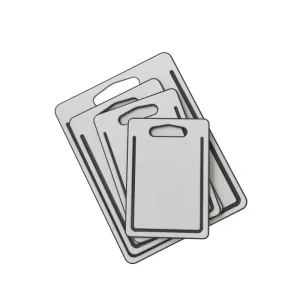
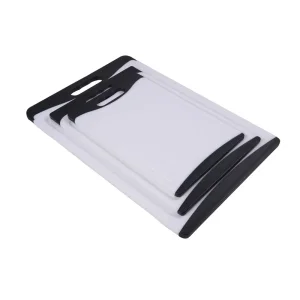
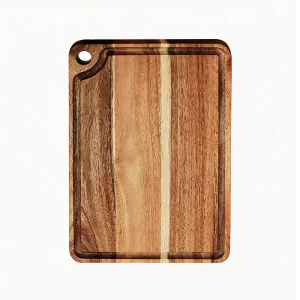
To maximize space efficiency in modern apartments, consumers demand multi-material boards. The combination of stainless steel (hygienic, easy to wash, ideal for fish and raw meats) on one side, and eco-friendly PP or natural Acacia wood on the flip side (resilient, softer on premium chef knife edges) is experiencing rapid sales growth. JOYWAVE has developed specialized double-molding and composite bonding processes that prevent water intrusion between these material layers, resolving the peeling issues common in lower-quality factories.
3. Supply Chain Resilience and Port Proximity
FOB costs are heavily influenced by domestic trucking and container logistics. Factories based in Ningbo offer significant freight advantages, with container loading zones situated within 50 kilometers of the deepwater Ningbo-Zhoushan Port. This proximity allows for direct warehouse-to-ship handoffs, protecting inventory from transport delays and reducing local transit costs.
4. Antimicrobial Surface Micro-Texturing
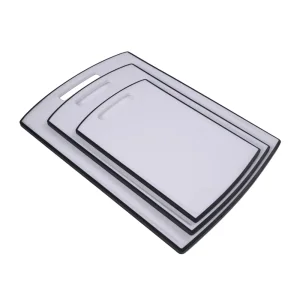
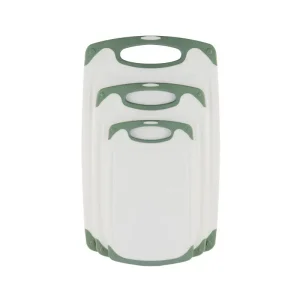
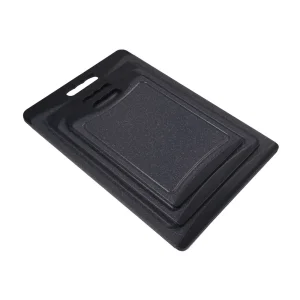
Modern consumers place high priority on hygiene. Our plastic and composite cutting boards are engineered with subtle micro-textures. This texture prevents slippery ingredients from sliding while also limiting the microscopic grooving where bacteria typically thrive. By using high-density food-grade plastics, our boards resist deep scoring, making them easier to clean and sterilize compared to lower-density alternatives.
 Joywave