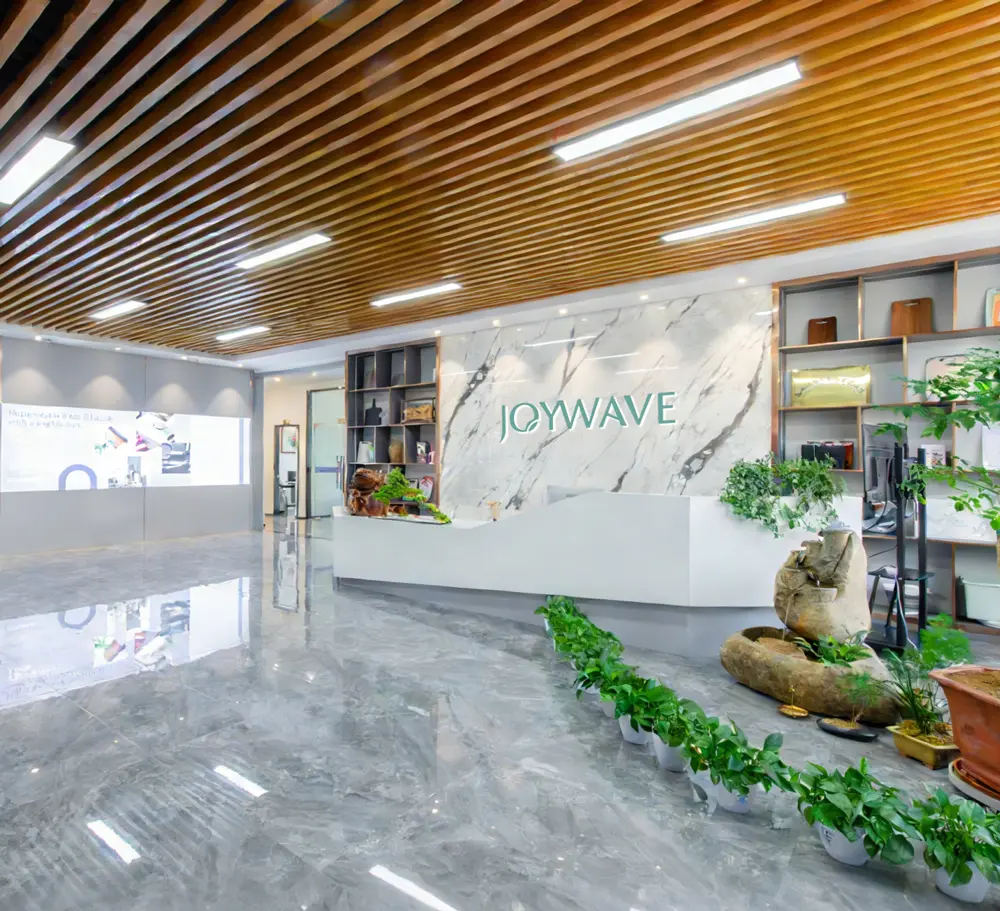
Direct from our state-of-the-art facility in Ningbo, China. Click to inspect technical product specification sheets.
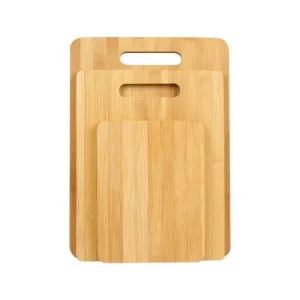
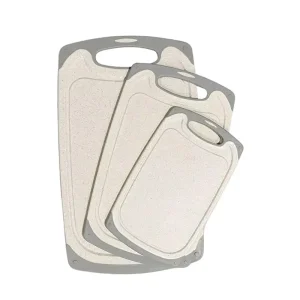
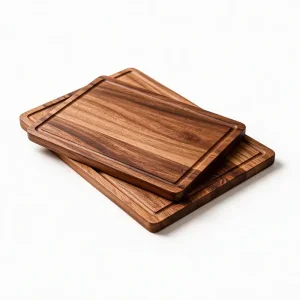
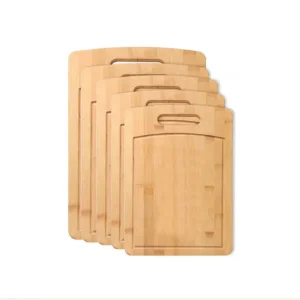
Evaluating Material Science, Market Drivers, and ESG Mandates in the Sourcing Ecosystem
The global culinary and kitchenware market is undergoing a significant transformation. Historically dominated by plastics (polyethylene, polypropylene) and heavy hardwoods (such as maple, oak, and acacia), food preparation surfaces are facing scrutiny under modern ESG (Environmental, Social, and Governance) paradigms and changing consumer values. According to recent B2B market intelligence data, the demand for sustainable culinary tools is growing at a compound annual growth rate (CAGR) of 6.8% from 2024 to 2030, with bamboo kitchenware occupying the largest market share in the organic housewares division.
Major corporate retailers across Europe, North America, and Japan are shifting away from petroleum-derived plastic chopping boards. The shift is accelerated by legislation restricting microplastic pollution and consumer concerns about chemical leaching (such as Bisphenol-A, or BPA). Bamboo, botanically classified as a fast-growing grass (specifically *Phyllostachys pubescens* or Moso Bamboo), serves as a natural carbon sink. It matures in 3-5 years, requires no pesticides or fertilizers, and regenerates without replanting. This biological cycle positions bamboo as a key alternative for brands looking to meet Scope 3 carbon neutrality goals.
For import houses and procurement directors, partnering with a supplier that holds **FSC (Forest Stewardship Council) Chain-of-Custody Certification** is essential. Global regulatory frameworks, including the EU Deforestation Regulation (EUDR) and the US Lacey Act, require complete traceability from forest harvest to retail shelf. Choosing verified factories is no longer just a quality option, but a regulatory necessity.
Aligning OEM Capabilities with the Strict Quality Standards of Retail Giants
Global procurement teams at organizations like **Walmart, Costco, Macy's, HomeGoods, and Williams Sonoma** operate under strict vendor guidelines. For high-volume buying, sourcing directors focus on several key compliance metrics beyond price-per-unit:
Compliance with BSCI (Business Social Compliance Initiative), SEDEX (SMETA), and SA8000. These audits ensure ethical working conditions, fair pay, and safe manufacturing spaces within the factory.
Direct food contact items require FDA (Food and Drug Administration) compliance, LFGB (Lebensmittel- und Futtermittelgesetzbuch) certificates, and EU Commission Regulation (EU) No 10/2011 limits on chemical migration.
Prevention of warping, splitting, and separation. Multi-ply cross-lamination, food-safe adhesive systems (using low-formaldehyde emitting resin), and controlled kiln-drying (8%-12% moisture target) are critical engineering benchmarks.
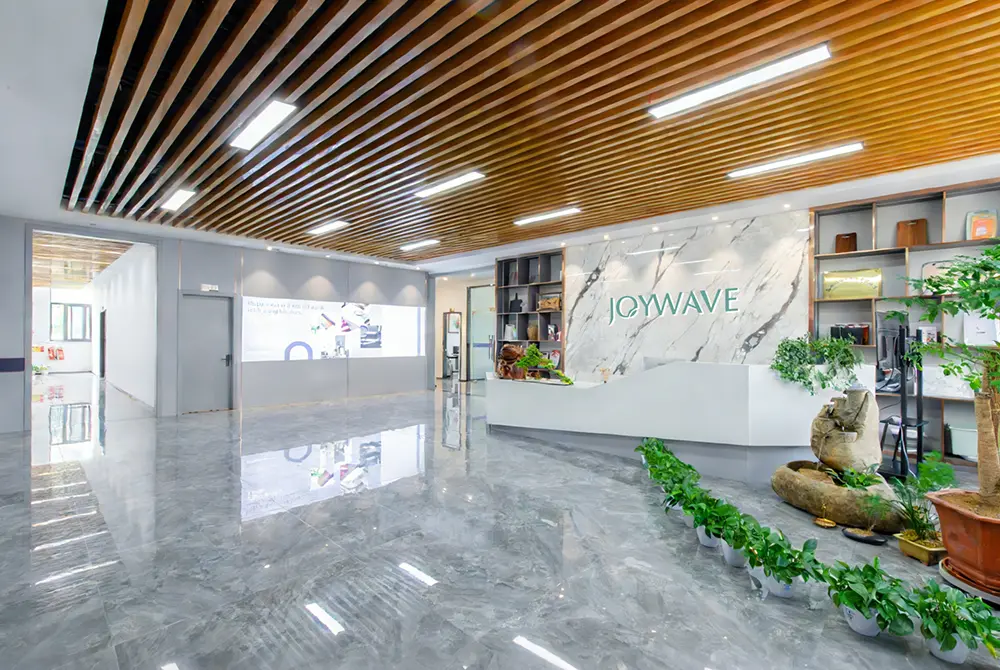
As a leading supplier with over **12+ years of manufacturing experience (founded in 2013 in Ningbo)**, JOYWAVE addresses these concerns through custom in-house design, mold fabrication, and automated hot-press production. This helps reduce product failure rates at retail terminals while maintaining consistent quality across large orders.
How Modern Smart Manufacturing Mitigates Procurement Vulnerabilities
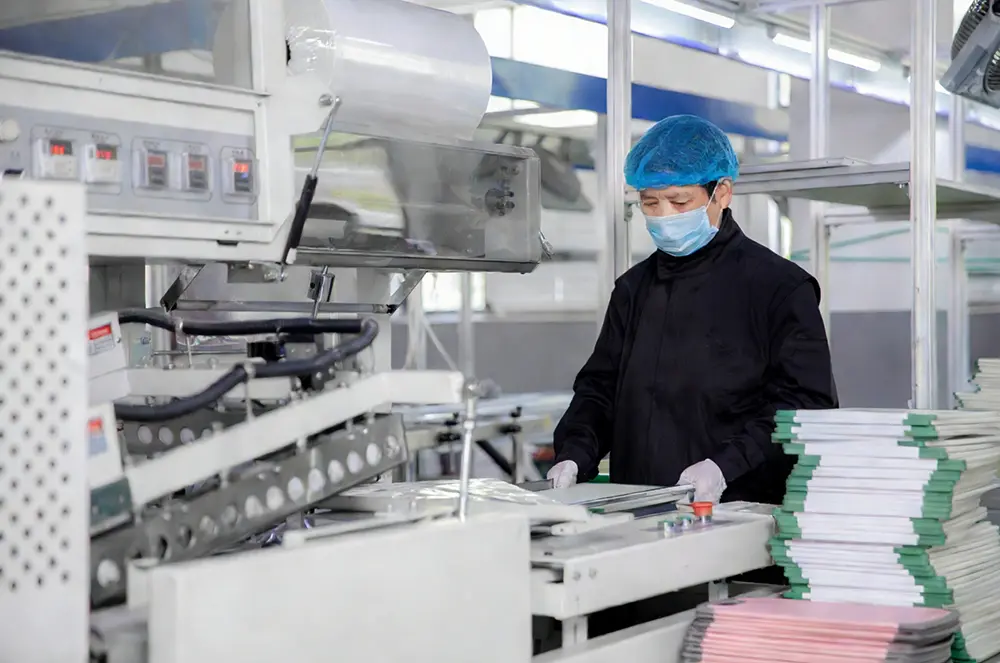
Traditional wood and bamboo cutting board factories often relied on manual processing, leading to quality inconsistencies and long lead times. At JOYWAVE, we combine digital technology and traditional craftsmanship in our Ningbo facility. This modern approach keeps our production stable and resilient against global market shifts.
By using **automatic CNC engraving machinery**, automated profile cutters, and smart hydraulic presses with exact heat control, we ensure every board's dimension matches the 2D CAD templates. This digital approach reduces raw material waste and ensures consistent quality for every production run.
Located in the **Ningbo port industrial area**, our factory offers key logistic advantages. Direct access to the Ningbo-Zhoushan Port—one of the world's busiest container hubs—helps lower inland transit costs, speeds up container turnaround, and reduces shipping lead times for our customers.
Beyond our natural bamboo and wood processing lines, JOYWAVE supports multi-material integration. Our production capabilities include food-grade polymers (Polypropylene, Polyethylene), recycled ocean-bound plastics (RPP), wheat straw composite extrusion, and high-strength stainless steel components. This diversity allows procurement managers to source and bundle coordinated kitchen collections from a single, reliable supplier, simplifying their logistics and vendor management.
A Structured System for High-Volume, Quality-Controlled Kitchenware Manufacturing
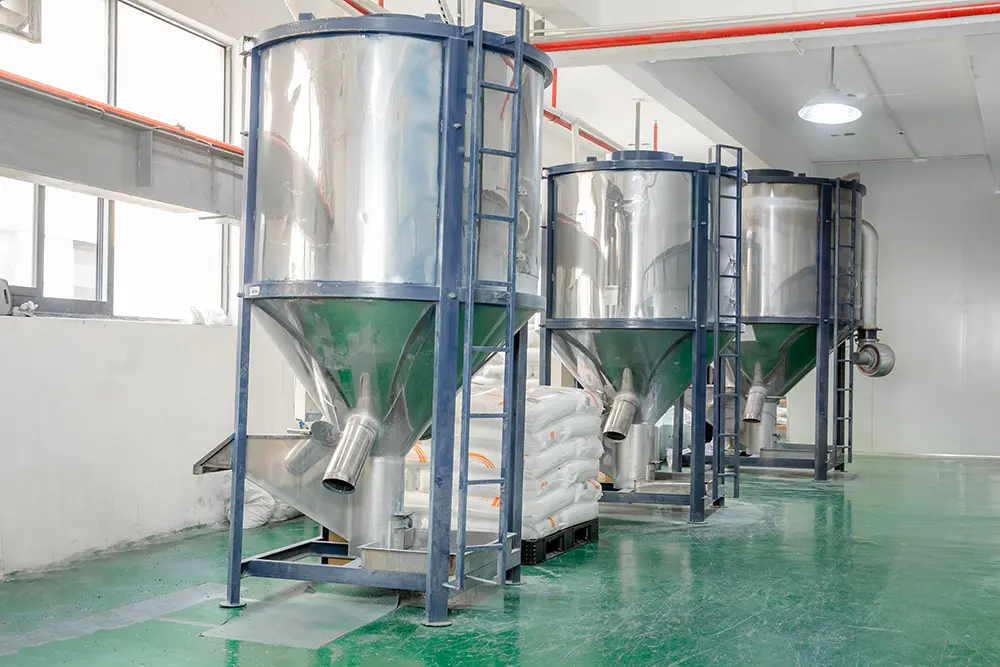
Carefully blending high-purity pigments and eco-friendly resins to ensure uniform color and material performance.

Processing blended polymers in automated injection systems with customized molds for precise shape and dimensions.
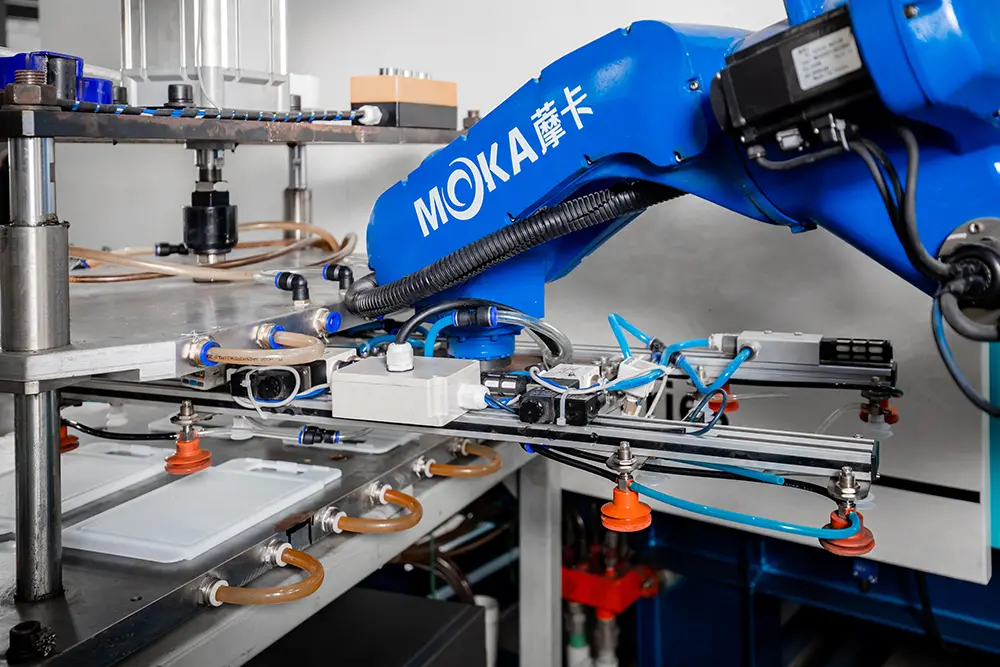
Automated robotic arms safely transfer hot molded products to active cooling and flattening stations.
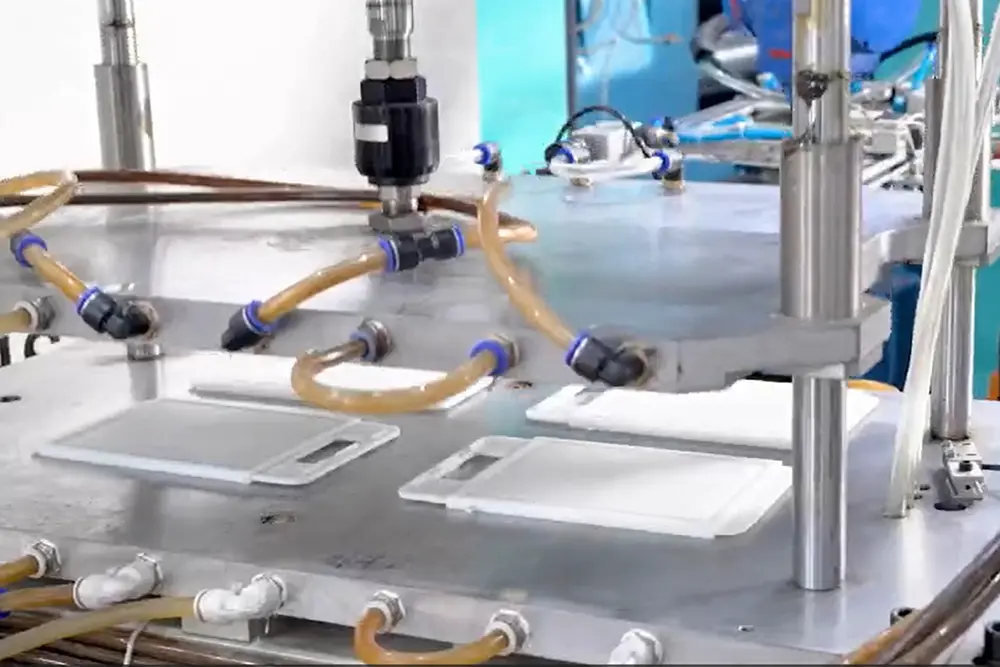
Applying calibrated pressure plates during the cooling cycle to eliminate warp and ensure surface flatness.
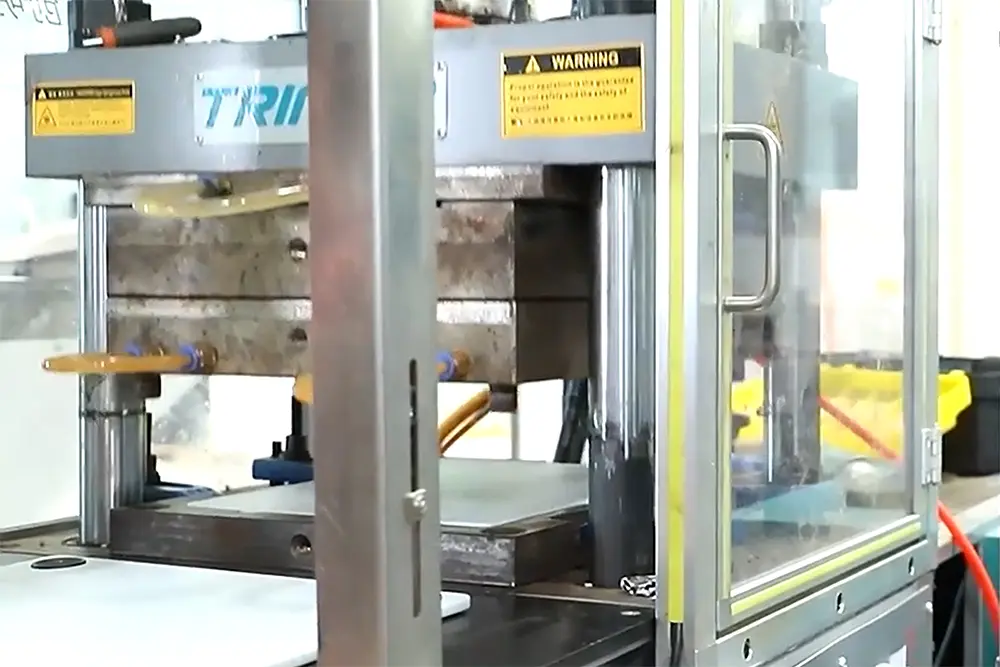
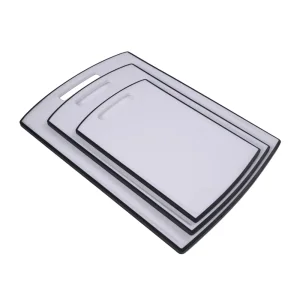
Applying secondary injection of Thermoplastic Elastomer (TPE) to create durable, non-slip edges and handle loops.
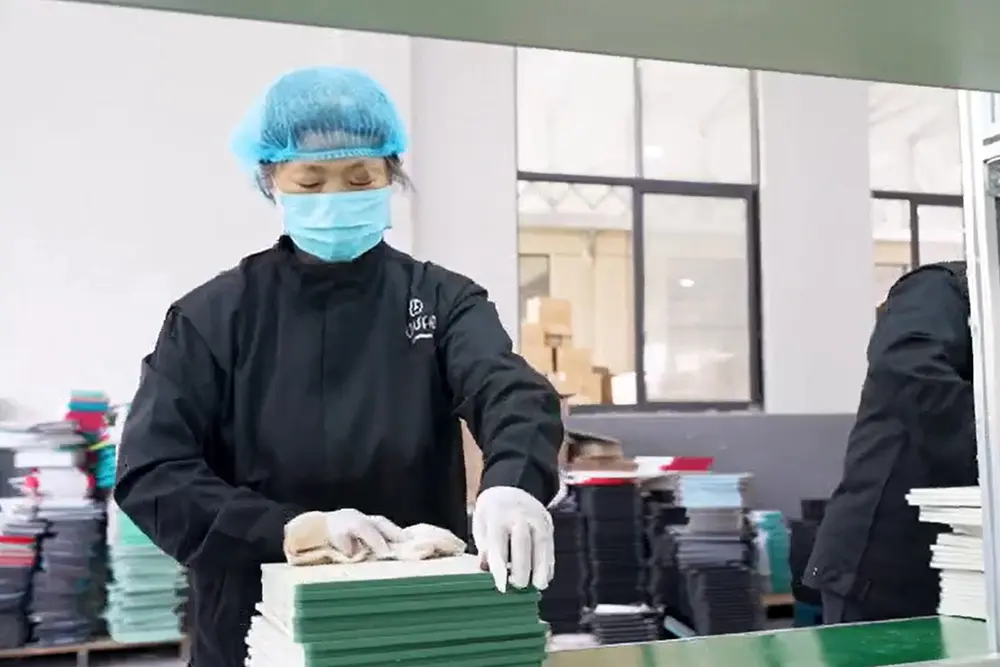
Manual and automated inspection combined with optical surface cleaning to remove dust, flash, and surface anomalies.
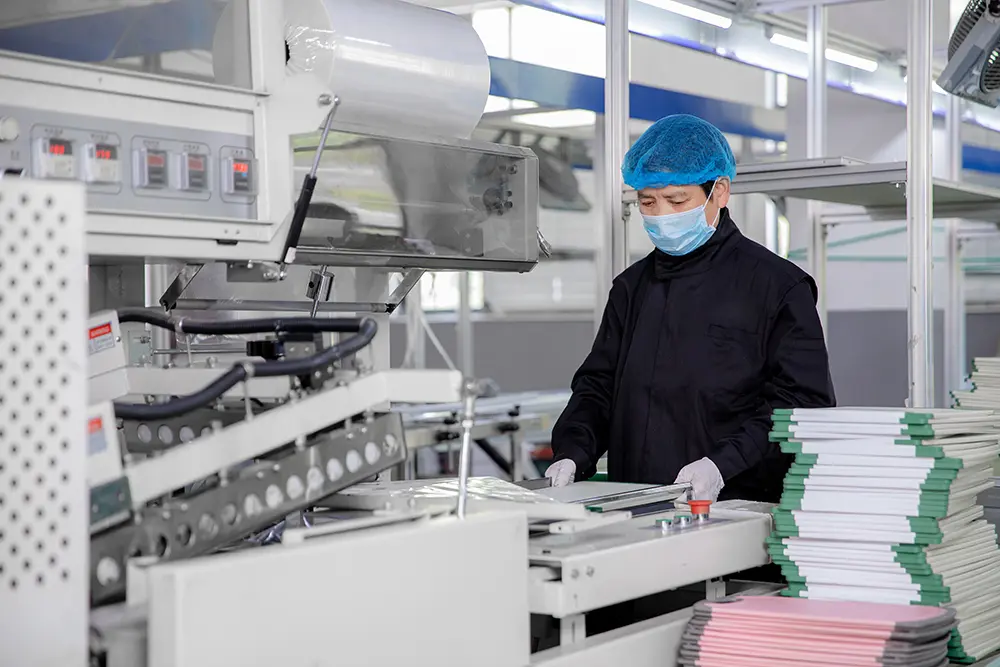
Applying customer-branded wraps and protective, food-safe thermal shrink-wrapping for transit safety.
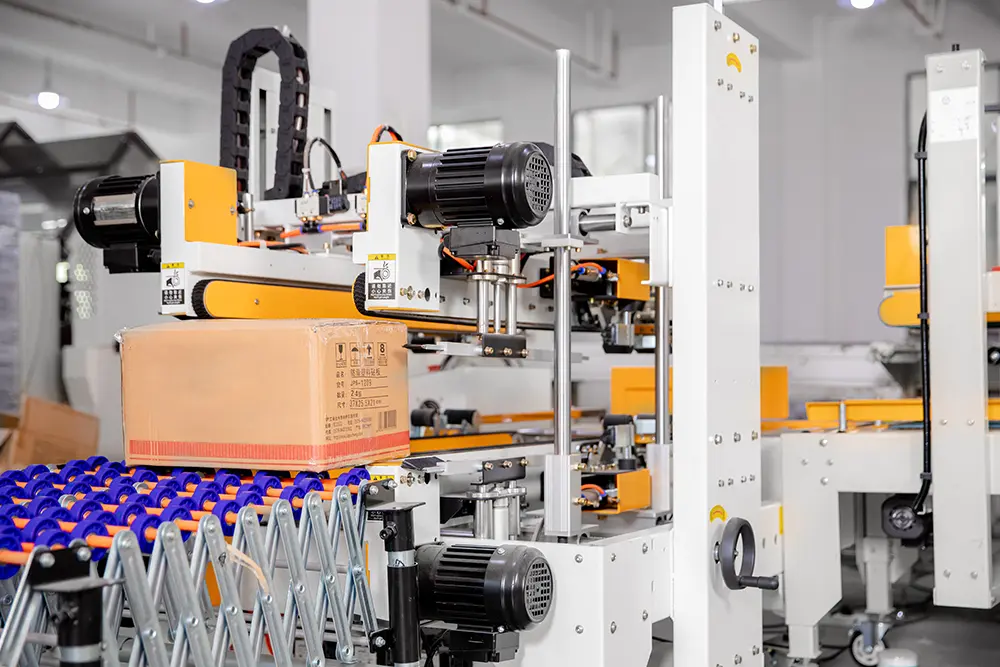
Packing finished goods into durable corrugated shipping cartons to withstand maritime transport.
How Bamboo Boards Perform in Modern Culinary Environments
Chopping boards are used across a wide range of settings, from commercial kitchens to home prep areas. Design, dimension, and wood grain orientation vary based on the specific application scenario:
Addressing Critical Inquiries on Sourcing, QA, Adhesives, and Sustainability Metrics
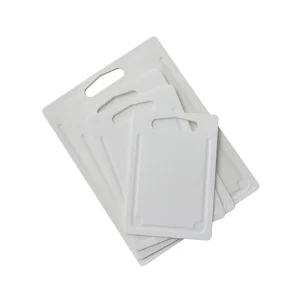
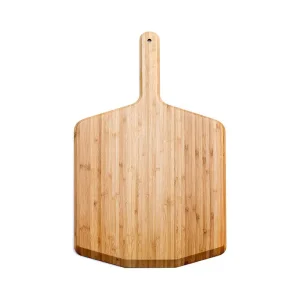
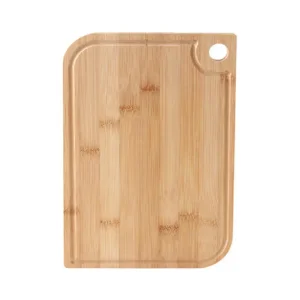
Explore our range of premium wood, sustainable wheat straw, and professional polymer chopping boards.
 Joywave