Select industrial-grade cutting boards engineered by JOYWAVE, trusted by global chains for durability, hygiene, and safe ergonomics.
Adaptive kitchen tools represent a critical growth vector within the global consumer goods sector. The rising integration of universal design principles in household products is driven by two major macroeconomic shifts: a rapidly aging global population and a rising consumer preference for ergonomic, preventive, and accessible tools.
One-handed cutting boards (often referred to as adaptive preparation stations) are vital solutions for individuals experiencing temporary or permanent physical challenges. These include stroke survivors, amputees, and individuals living with severe arthritis or hemiplegia. In commercial food service, similar designs are increasingly utilized to enhance preparation efficiency and minimize repetitive strain injuries (RSIs) among culinary professionals.
As standard consumer brands expand into inclusive designs, global retailers require manufacturing partners capable of balancing biomechanical efficiency with large-scale, cost-effective production. JOYWAVE, established in Ningbo in 2013, provides the infrastructure, regulatory compliance, and material engineering needed to scale adaptive kitchen tools for international markets.
Adaptive culinary prep tools rely on precise physical mechanics to secure food and ensure user safety.
Standard boards rely on downward hand pressure to prevent slipping. One-handed boards use heavy-duty vacuum suction cups or high-friction thermal plastic elastomer (TPE) over-molded bases. This anchors the board securely to quartz, granite, or stainless steel countertops, preventing sliding during lateral cutting movements.
To secure food without a non-dominant hand, boards feature food-grade stainless steel (SUS 304) spikes or adjustable retention vices. These pins hold apples, potatoes, or meats in place, allowing users to slice, peel, or dice with a single knife. These spikes are removable and dishwasher-safe for easier sanitation.
An L-shaped corner lip provides a physical backstop for tasks like buttering bread, spreading condiments, or keeping round ingredients like onions from rolling off the board. The height of the lip (typically 12mm to 18mm) is optimized to support standard loaves of bread while maintaining clean access for a butter knife.
From a manufacturing standpoint, material selection determines the long-term durability and safety of adaptive boards. Traditional wood surfaces offer natural aesthetic appeal but require regular maintenance and cannot be easily sanitized in commercial dishwashers. In contrast, high-density polyethylene (HDPE) and polypropylene (PP) are preferred for their chemical resistance, knife-friendly surface tension, and ability to handle high-temperature sanitization cycles. In high-hygiene settings, double-sided designs combining food-grade SUS 304 stainless steel with co-molded PP are used to prevent cross-contamination between raw meats and ready-to-eat foods.
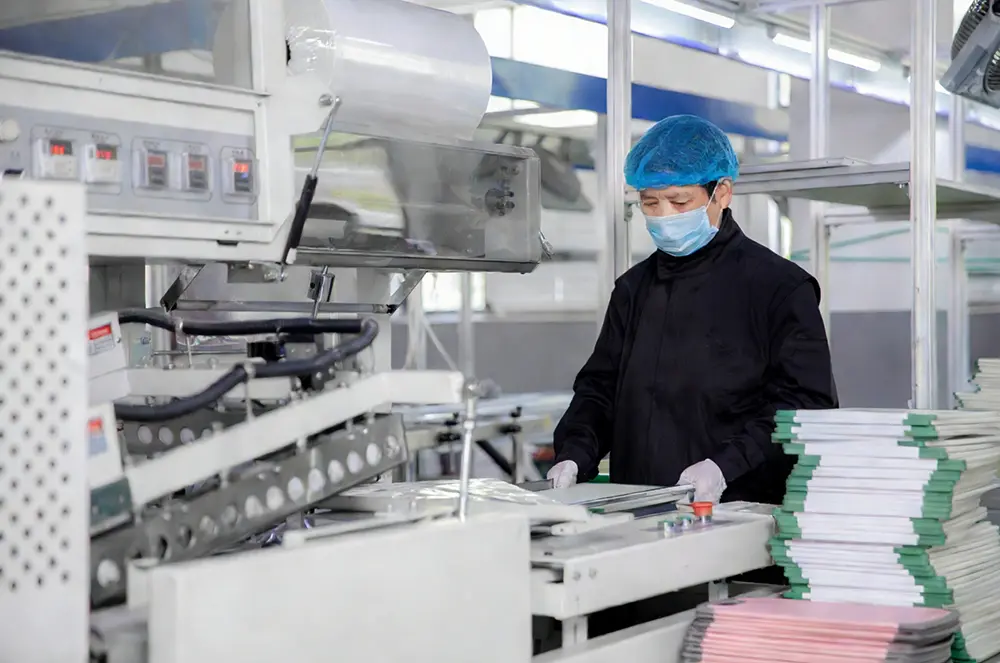
Ningbo is a global hub for plastic injection molding, tooling development, and kitchenware manufacturing. Sourcing adaptive kitchenware from Ningbo offers key supply chain advantages:
JOYWAVE leverages this local industrial ecosystem to provide end-to-end OEM and ODM support, translating initial concept drawings into certified retail products.
The manufacturing steps behind JOYWAVE's commercial-grade cutting boards, featuring dual-material co-injection for non-slip performance.
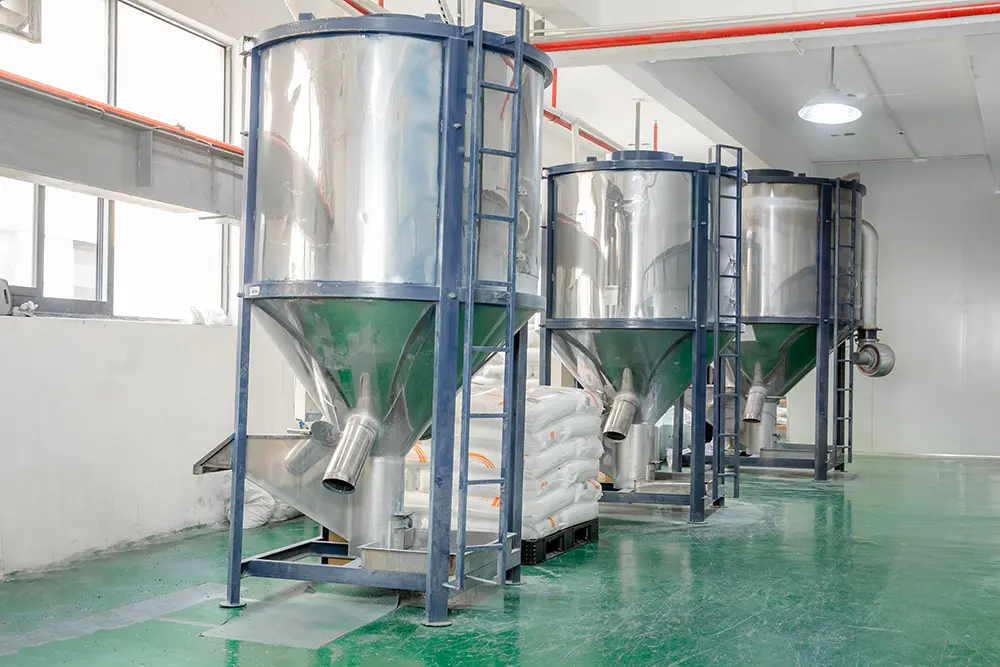
Food-safe polymers and color pigments are blended in automated mixers to ensure uniform density and color distribution.
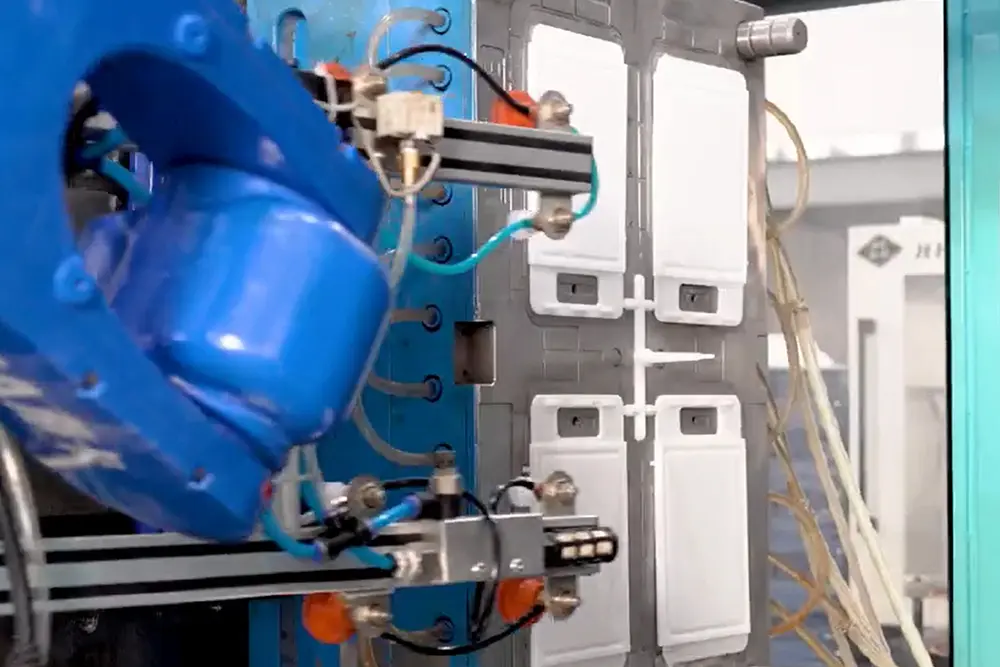
High-pressure injection molding machines shape the main board body under strict temperature controls to prevent warping.
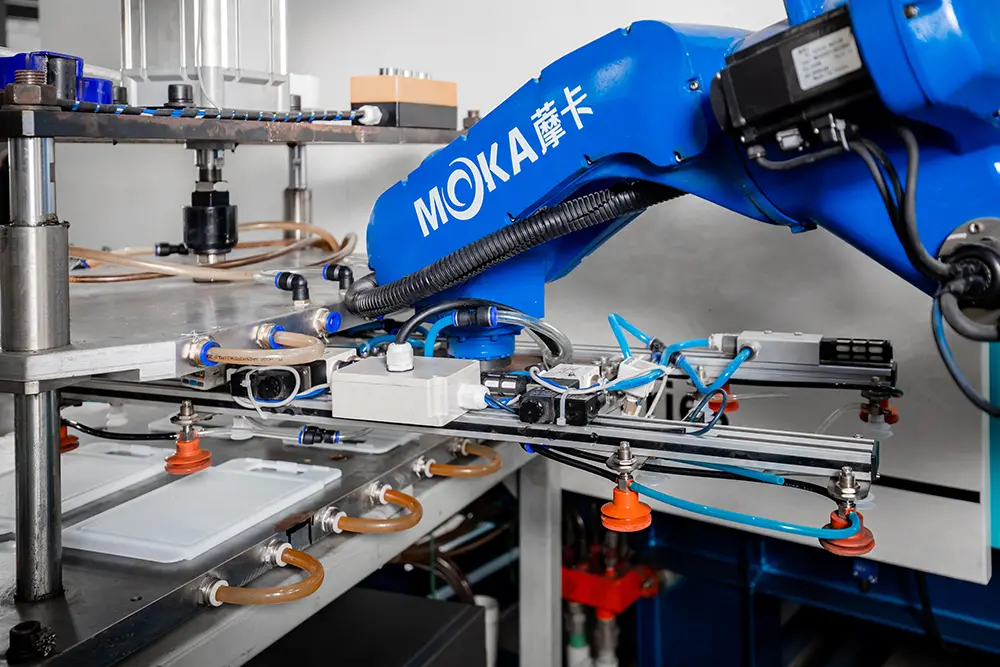
Precision robotic arms extract the molded board from the cavity, minimizing manual handling and maintaining surface cleanliness.
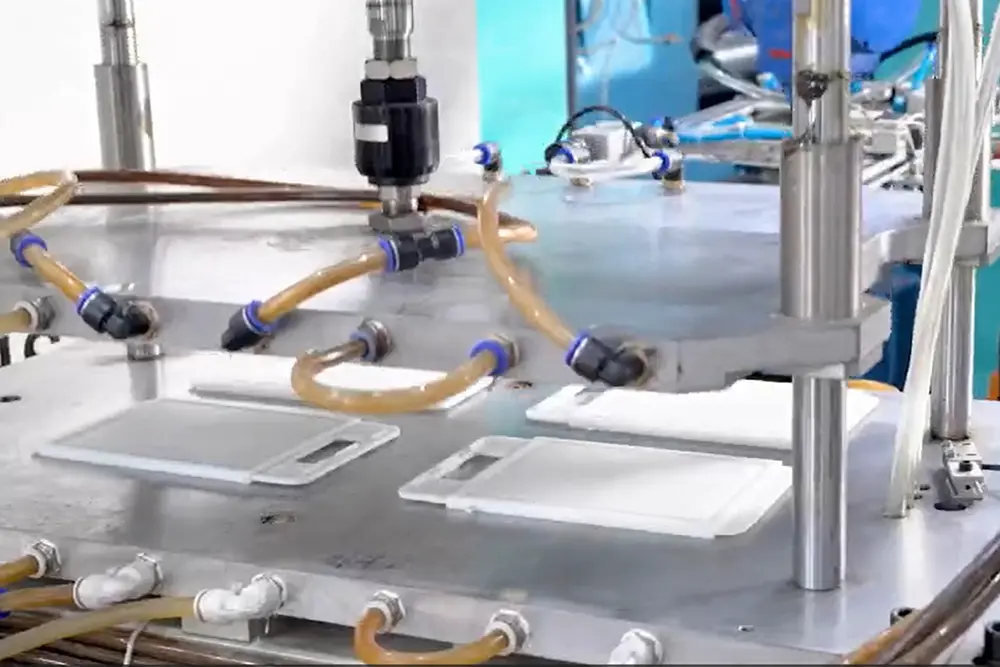
Freshly molded boards undergo controlled cooling and hydraulic flattening to eliminate micro-warping and ensure flatness.
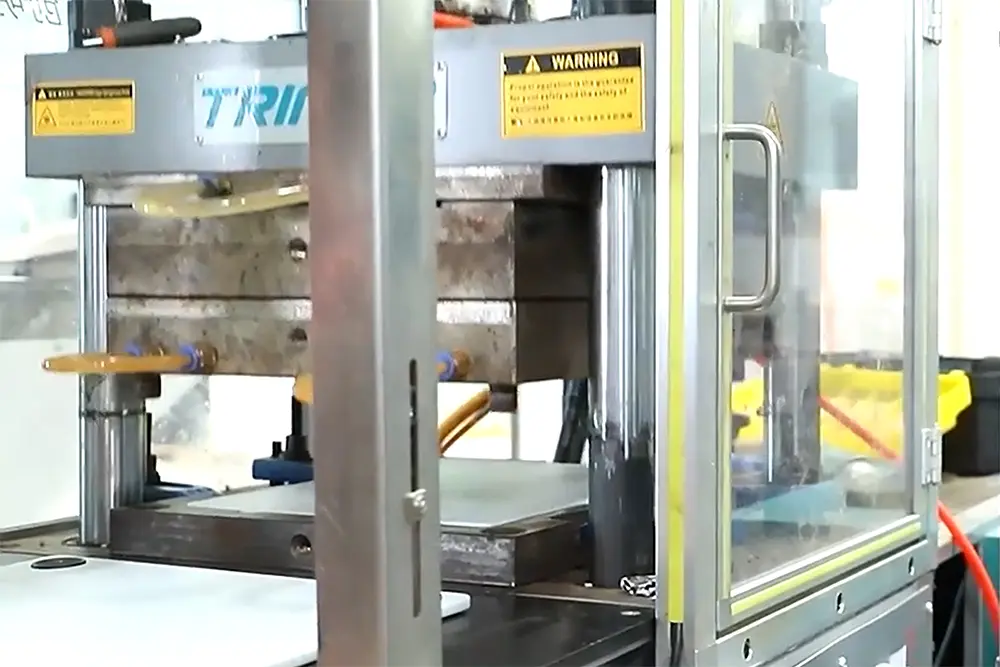
A secondary injection cycle fuses high-traction TPE to the edges and corners, forming a secure non-slip border.
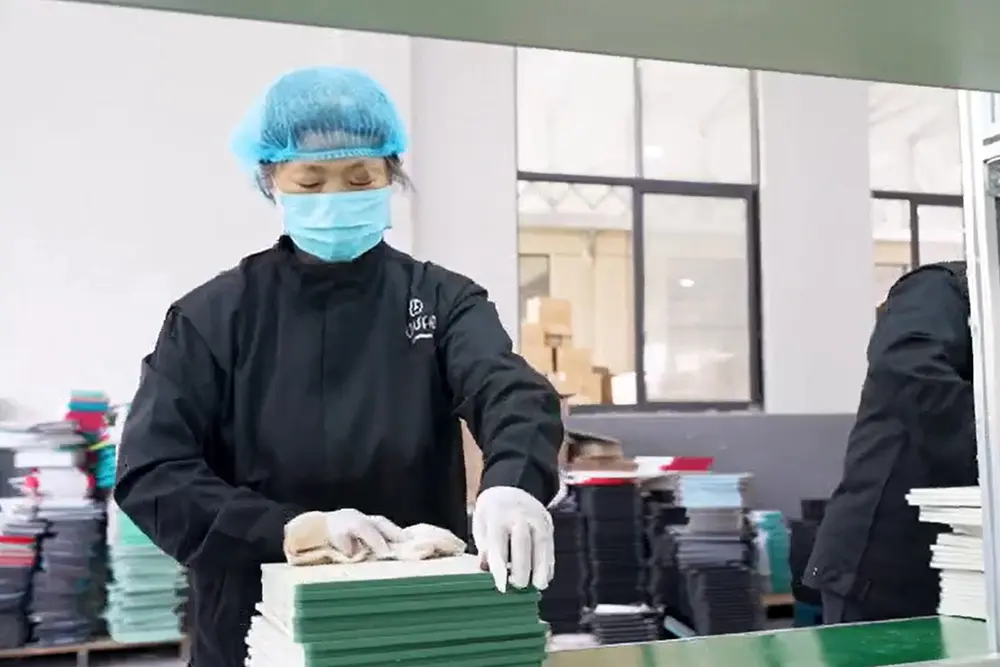
Boards are cleaned and inspected for flashing, ensuring smooth edges and consistent surface quality.
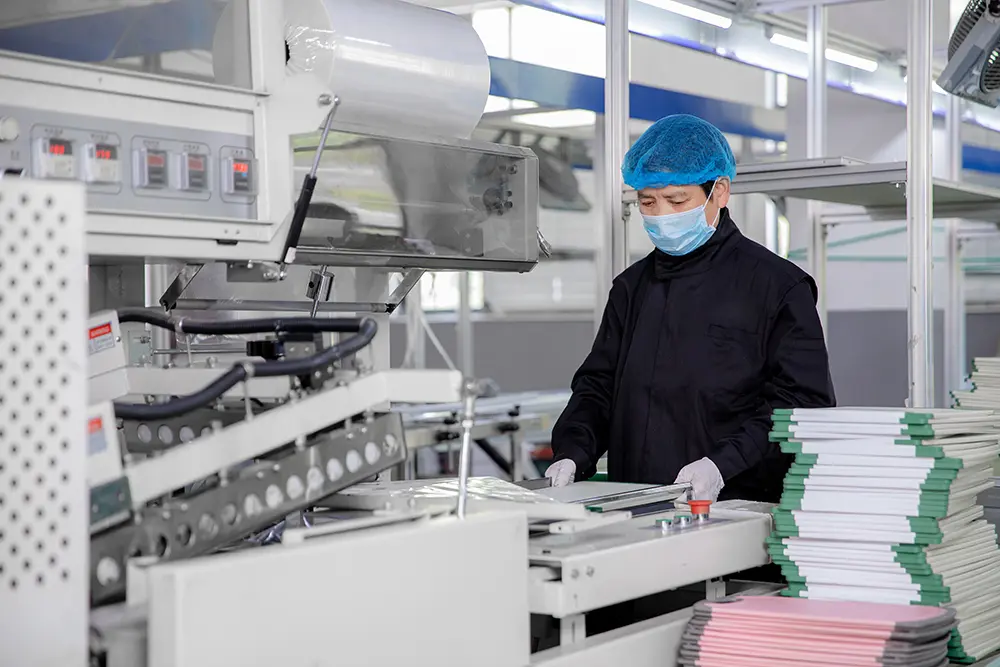
Hygienic shrink wrapping and customized retail labels are applied to protect the board during transit.
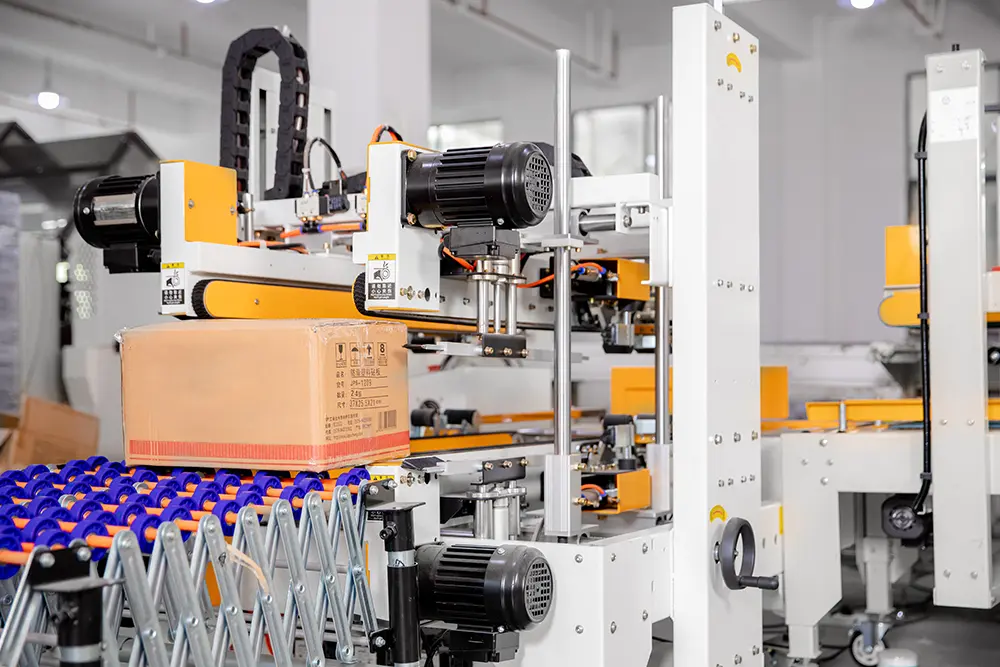
Finished units are packed into heavy-duty corrugated master cartons, ready for palletization and global container shipping.
Exporting adaptive kitchenware to markets like North America and the European Union requires strict compliance with food contact and accessibility standards. JOYWAVE maintains rigorous testing and quality control protocols to meet these international demands:
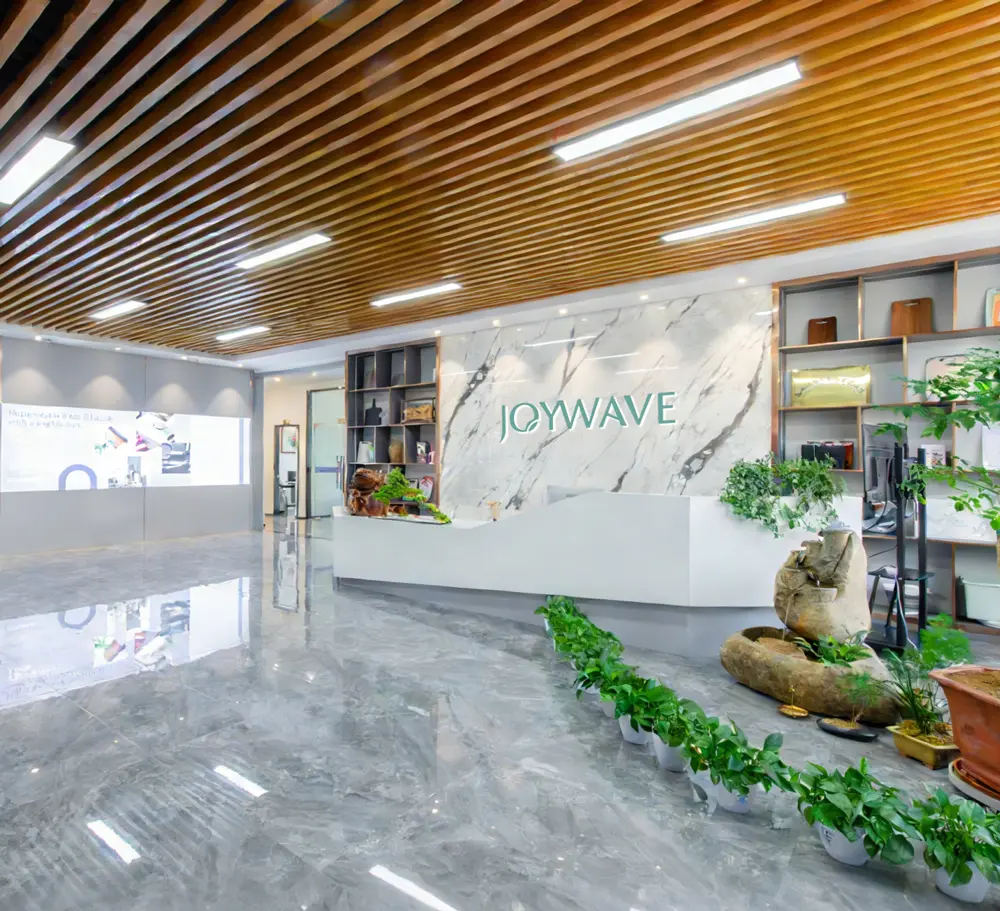
How material science and design innovation are shaping the next generation of adaptive preparation tools.
Traditional plastics are increasingly being replaced by bio-composite alternatives, such as agricultural wheat straw fibers blended with recycled PP. This reduction in virgin petroleum resins helps brands meet corporate ESG targets while maintaining the high thermal stability needed for sanitization.
By integrating silver-ion (Ag+) antimicrobial additives during the compounding stage, we can provide continuous protection against bacterial growth. This is particularly valuable for adaptive boards that may be handled by multiple caregivers or used in clinical settings.
Advanced double-shot molding allows us to create structures that transition from a rigid core (for structural stability) to a soft, tactile surface. This dynamic design provides both a solid work surface and high-grip touchpoints without requiring separate assemblies.
Professional answers for global buyers, distributors, and sourcing managers.
For clinical or hospital environments, high-density polyethylene (HDPE) or dual-sided stainless steel (SUS 304) combined with co-molded PP are highly recommended. These materials withstand commercial autoclave temperatures and chemical sanitizers without degrade or warping.
Yes, as an experienced OEM and ODM partner, JOYWAVE provides full-scope manufacturing services. We can translate your concept drawings or 3D models into custom steel tooling, manage prototype sampling, and execute full-scale production runs according to your specifications.
All metal spikes are manufactured from food-grade 304 or 316 stainless steel, which is highly resistant to corrosion. They are designed to be easily removed for cleaning or washing, and we offer optional safety covers to protect users when the board is not in use.
For existing designs, our typical production lead time is 35 to 45 days after deposit confirmation and sample approval. For custom designs requiring new mold development, please allow an additional 30 to 45 days for tooling fabrication and initial prototyping.
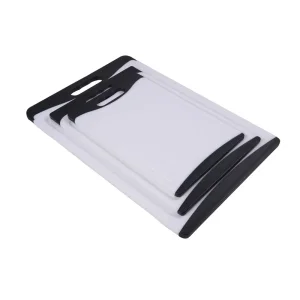
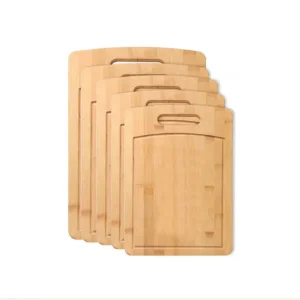
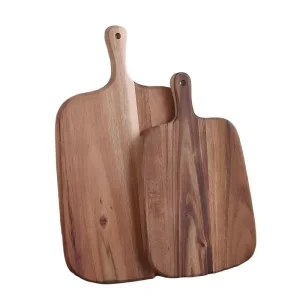
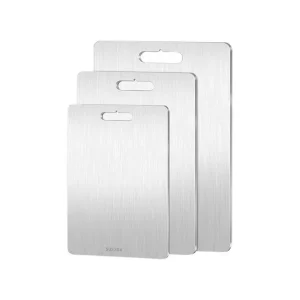
Explore our full line of specialized boards, optimized for home kitchens, professional food prep, and global distribution.
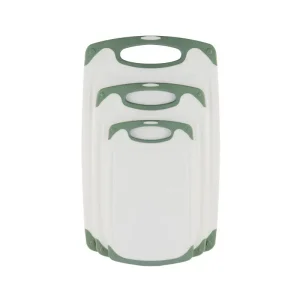
 Joywave