Engineered for extreme longevity, precision knife edge protection, and food hygiene compliance.
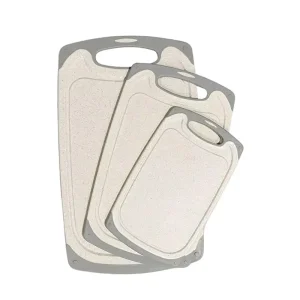
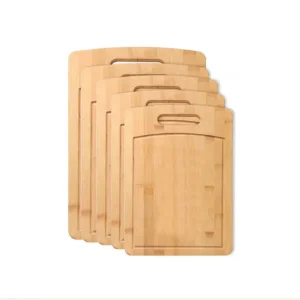
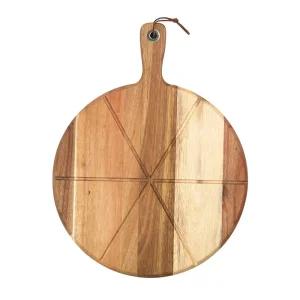
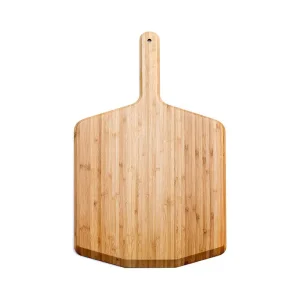
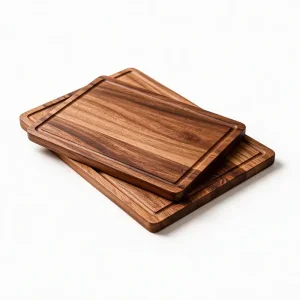
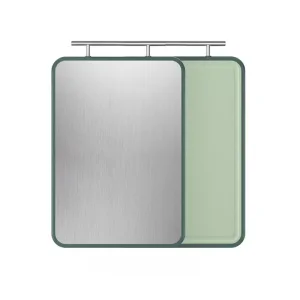
In the modern culinary and food processing landscape, the choice of raw materials for food preparation surfaces has transcended aesthetic preference to become a core metric of operational safety, knife longevity, and brand compliance. Globally, commercial kitchens, food processing plants, and consumer households require precision-engineered cutting boards. Key market drivers include growing public awareness of food safety regulations and a massive transition towards eco-friendly composites.
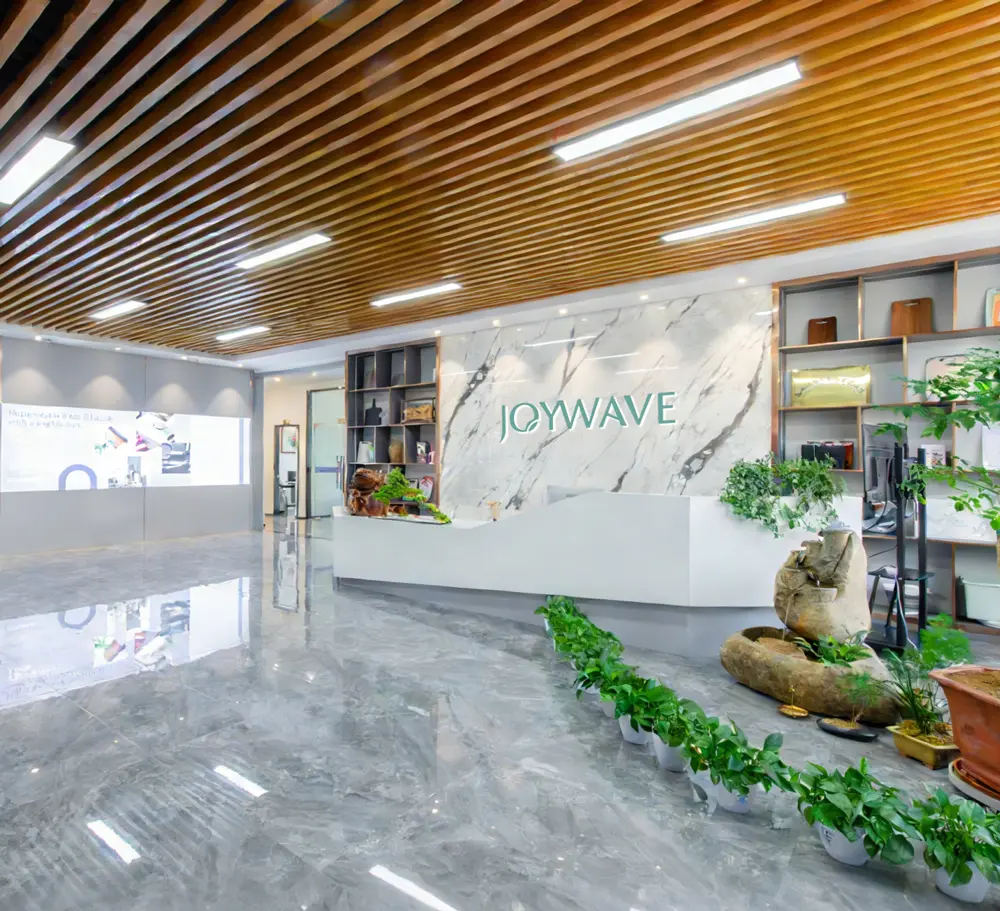
As a premier global manufacturing epicenter based in Ningbo, JOYWAVE Kitchenware has pioneered high-volume OEM/ODM production processes since 2013. By matching advanced polymeric sciences with sustainable organic wood matrices (Acacia, Walnut, and Bamboo), we resolve the historical trade-off between structural resilience and blade edge protection.
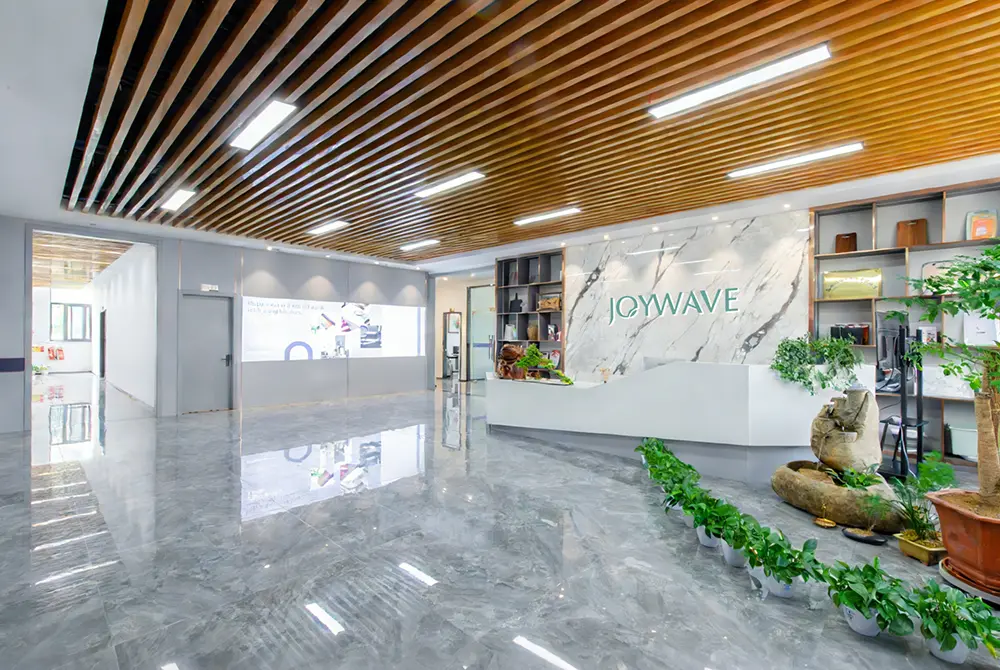
Unlocking unparalleled manufacturing capacity, advanced material formulation, and strategic logistics.
We provide full-scope kitchenware manufacturing services. Building on our foundational cutting board expertise, our operations support complex engineering challenges, delivering customized solutions from conceptualization to large-scale retail distribution.
Our research and engineering labs specialize in a diverse matrix of materials: High-Density Polypropylene (HDPE), Ultra-Pure Stainless Steel, sustainable Moso Bamboo, Walnut wood, and composite biodegradable Wheat Straw.
JOYWAVE serves as an audited supplier to leading retail operations worldwide, including Walmart, Costco, Macy's, HomeGoods, and Williams Sonoma. Our facilities routinely clear strict human rights and supply chain audits.
The structural composition of a butcher cutting board determines its durability under high-impact knife strokes. At JOYWAVE, we combine advanced materials science with traditional woodworking techniques to customize performance metrics:
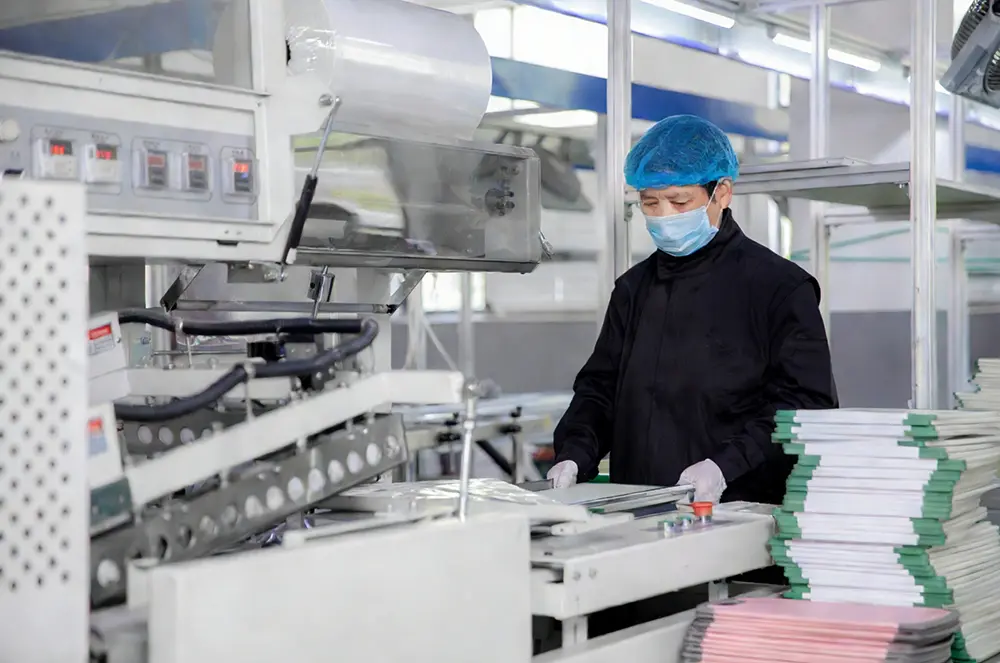
Inside JOYWAVE's advanced manufacturing plant: A look at our raw material blending, high-pressure injection molding, and quality control lines.
Food-grade polymer resins, organic wheat straw fibers, and UV stabilizers are blended in high-intensity color mixers to ensure material consistency.
The blended material is heated and injected under high pressure into custom-designed steel molds to form the board's core structure.
Automated multi-axis robotic arms extract the hot molded panels and transfer them to cooling fixtures to prevent warping.
Molded parts go through a cooling cycle under physical pressure templates, ensuring the finished boards remain flat.
Thermoplastic Elastomers (TPE) are molded onto the edges and handles, providing a secure, non-slip grip on wet countertops.
Manual and ultrasonic cleaning removes micro-burrs and surface residues, followed by clean-water washing.
UPC labels, custom retail packaging, and heat-shrink poly wrapping are applied in a dust-controlled packaging room.
Packed products are boxed in double-wall corrugated shipping cartons, palletized, and prepared for global shipping.
As a global partner, JOYWAVE supports regional compliance, customs clearance, and warehouse integration across major international markets:
Our supply chains are designed to mitigate risks, utilizing automated inventory systems and maintaining active logistics routes to ensure on-time delivery across North America, Europe, and Asia-Pacific.
Direct supply to major retailers, featuring customs bonding and optimized EDI order routing.
Fully compliant with LFGB food safety regulations and REACH chemical standards.
Efficient regional shipping routes originating from Ningbo Port to reduce transit times.
Customized export documentation and flexible volume arrangements to support expanding markets.
From initial concept to international shipping, our engineering team manages the complete design and production lifecycle.
We convert customer sketches and ideas into high-resolution 2D and 3D CAD models. Our design reviews focus on structural integrity, material choice, and wall-thickness optimization for molding.
Using CNC machining, we fabricate custom steel tooling. Initial pilot samples are manufactured for physical testing, confirming fit, finish, and structural dimensions.
Prototypes undergo structural stress testing, thermal deformation verification, and food safety testing (FDA, LFGB compliance) to ensure high performance before mass production begins.
With tooling approved, we begin mass manufacturing. Continuous inline inspection systems monitor tolerances, and completed orders are scheduled for export shipping.
Looking ahead, the butcher cutting board industry is focusing on bio-based polymers and smart kitchen integration. We are investing in materials science to develop cutting surfaces that meet shifting ecological and technological requirements:
Anti-Microbial Surfaces: Integrating natural, plant-based antimicrobial compounds directly into polymer chains, rather than relying on chemical coatings, to provide long-lasting bacterial resistance.
Closed-Loop Recycling: Developing fully recyclable composite materials. This allows commercial customers to return worn cutting boards to our plant, where they are re-ground, sterilized, and remanufactured.
Intelligent Sourcing Tools: Creating material traceability tools that use blockchain, letting buyers trace the origin of bamboo or wood raw materials directly back to certified sustainable forests.
Common questions from procurement teams, food manufacturers, and commercial distributors regarding specifications and customization.
Our wheat straw composite boards use upcycled agricultural byproducts, reducing synthetic polymer content by up to 30%. The manufacturing process generates a lower carbon footprint while ensuring the product remains highly durable and recyclable.
We test our materials through independent laboratories (like SGS and TÜV) to confirm FDA (USA) and LFGB (Germany) compliance. We run regular assessments for bisphenol safety, heavy metal migration, and chemical stability.
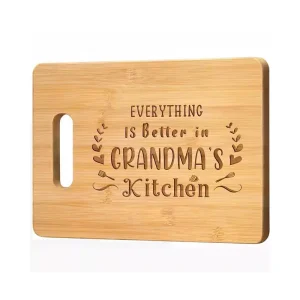
Yes. Through our custom OEM/ODM program, we construct tooling for unique geometric shapes, build integrated handles, add custom juice grooves, and engrave logo guides to support your brand's specifications.
CAD drawing design and confirmation takes 3–5 business days. Once drawings are approved, mold fabrication and physical sample testing are completed in 30–45 days, followed by mass production runs.
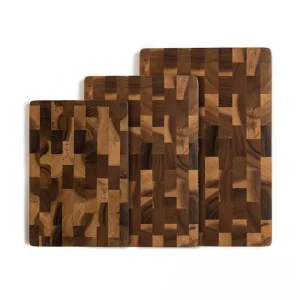
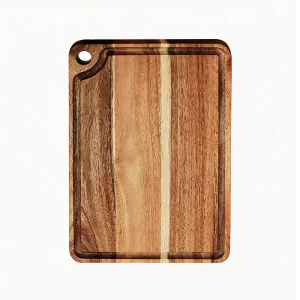
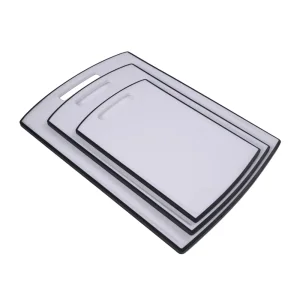
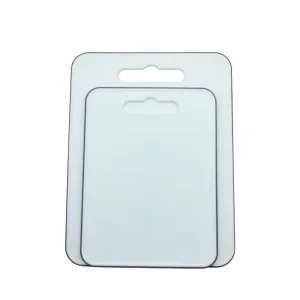
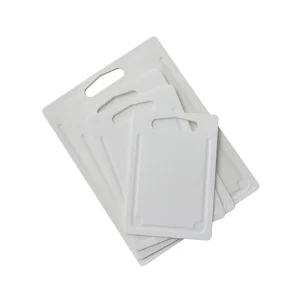
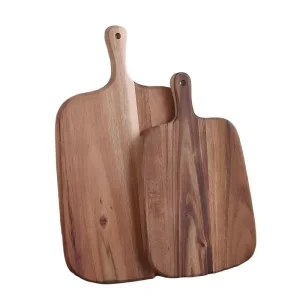
Heavy-duty options for high-volume preparation, butcher shops, and commercial kitchens.
 Joywave