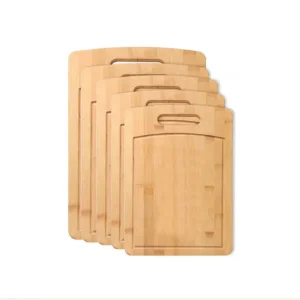
Discover our versatile selection of multi-size bamboo, end-grain acacia, non-slip polymers, and eco-friendly composite boards engineered to comply with strict global safety directives.
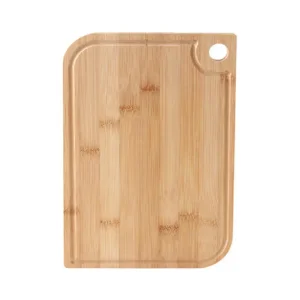
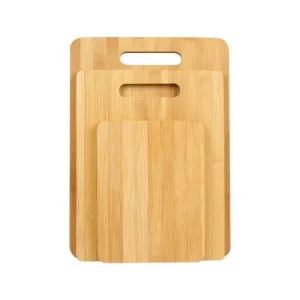
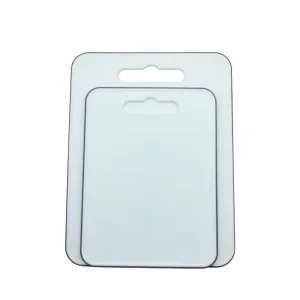
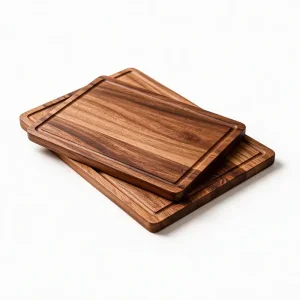
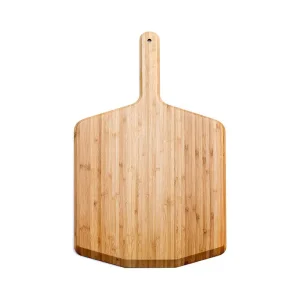
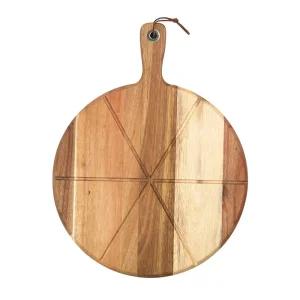
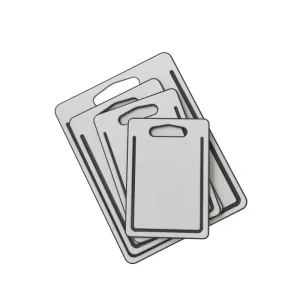
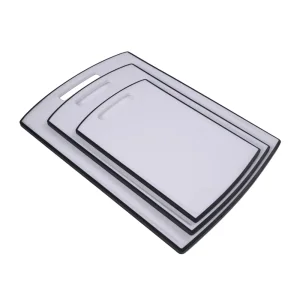
In the modern consumer kitchenware sector and high-intensity commercial foodservice industries, the definition of a prep station has fundamentally shifted from a passive wooden slab to an ergonomically calculated workstation. The "Raised Cutting Board" category represents a significant technological and structural paradigm shift. By raising the cutting surface anywhere from 1.5 to 4 inches off the countertop, manufacturers solve two crucial problems: human spinal strain during prolonged preparation cycles, and workspace utilization in space-restricted urban environments.
Globally, commercial food prep environments report high incidences of repetitive strain injuries (RSIs) and musculoskeletal disorders (MSDs) among culinary professionals. Structural design improvements, such as elevated work surfaces that facilitate correct neck and spinal alignment, are transitioning from optional ergonomics to mandatory wellness standards in enterprise catering companies. Concurrently, high-density residential properties across North America, East Asia, and Western Europe continue to demand space-optimizing solutions. Raised cutting blocks allow prep containers, meal-prep scales, or additional trays to slide directly under the active chopping surface, essentially doubling the functional surface area of the countertop footprint.
For B2B importers, buying groups, and global retail chains (such as Walmart, Costco, and Williams Sonoma), the raised board category commands premium margins compared to traditional flat cutting boards. This pricing leverage is driven by composite structures, multi-material blends, integrated juice reservoirs, and specialized non-slip over-mold designs. As a result, commercial sourcing teams are increasingly targeting specialized manufacturers in Ningbo and South China who possess the vertical capacity to synthesize polymer technology with precision wood milling.
Founded in 2013 and strategically headquartered in the manufacturing hub of Ningbo, JOYWAVE has evolved from a local kitchenware manufacturer to an internationally audited industry expert. Integrating in-house research and development, polymer tooling development, precision wood carving, and multi-component injection molding, JOYWAVE delivers sophisticated OEM solutions for global household brands.
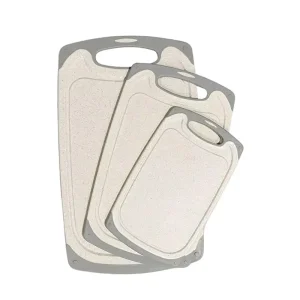
With over 12 years of specialized execution, our core capabilities focus on the engineering of high-durability raised and flat cutting boards, functional cutting mats, and elegant serving trays. Understanding the dynamic regulatory landscape of importing countries, we formulate materials ranging from classic polypropylene (PP) and high-density polyethylene (HDPE) to ecological wheat straw composites, high-silica bamboo, premium end-grain acacia, and anti-microbial SUS304 stainless steel.
Building upon this technological baseline, JOYWAVE has systematically expanded its production scope to offer a unified, comprehensive kitchen catalog. Our facilities currently output high-efficiency kitchen storage systems, baking tools, high-performance cutlery, and smart culinary gadgets, providing a simplified sourcing channel for retailers worldwide.
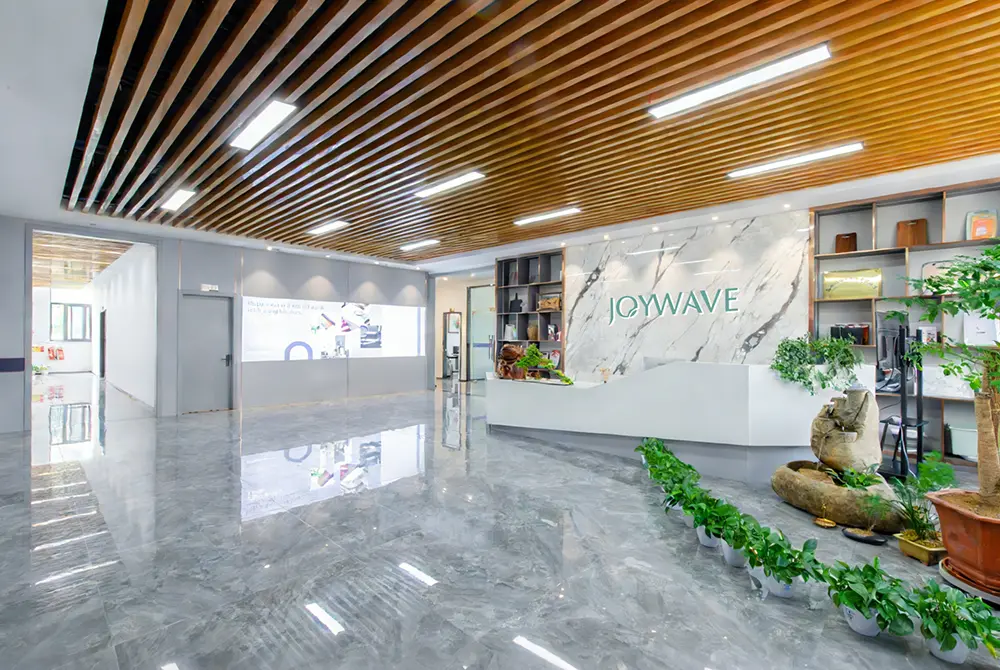
"Validating our commitment to supply chain transparency and product integrity, JOYWAVE serves as an audited strategic partner to Walmart, Costco, Macy's, HomeGoods, and Williams Sonoma."
In high-volume sourcing, choosing the proper material composition is critical to balancing product longevity, retail price positioning, and sustainability. For raised cutting board systems, selecting the structural framework involves mechanical calculations. An elevated board experiences increased stress at its leg joints and contact points. Below, we present an engineering-focused comparative analysis of modern kitchenware materials utilized in our Ningbo facilities.
| Material Type | Shore D Hardness | Knife Wear Coefficient | Moisture Resistance | Eco-Sustainability Score | Optimal Structural Use Case |
|---|---|---|---|---|---|
| Virgin Polypropylene (PP) | 70 - 75 | Low (Protects Edge) | 99.9% (Non-porous) | Moderate (100% Recyclable) | Multi-color HACCP hygienic color-coded sets |
| Wheat Straw Composite | 65 - 72 | Low | 98.5% | High (Agricultural Byproduct) | Bio-conscious consumer collections |
| High-Silica Bamboo | 80 - 85 | Moderate to High | 82% (Requires Oil Treatment) | Excellent (Rapid Regen Rate) | Premium elevated boards with juice grooves |
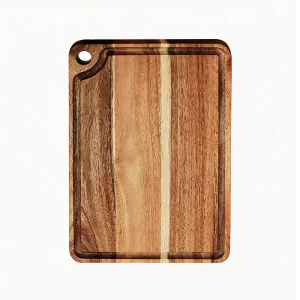
| Acacia / Walnut Wood | 72 - 78 | Very Low (Self-healing) | 85% (Natural Tannins) | High (FSC Certified Available) | Heavy-duty end-grain butcher blocks |
| SUS304 Stainless Steel | > 150 Brinell | High (Slight Dulling) | 100.0% (Antibacterial) | High (Lifelong Durability) | Dual-sided raw meat and bakery preparation |
By understanding these attributes, JOYWAVE supports brand partners in creating hybrid materials. For instance, combining a structural dual-sided stainless steel workspace with high-impact thermoplastic over-molding achieves maximum durability and slip resistance. This material integration reduces cross-contamination risk while extending product life.
Consistency in B2B supply chains requires strict process control. A single structural defect can result in high return rates for retail brands. At our state-of-the-art Ningbo facility, we utilize a validated 8-step production pipeline that combines automation with skilled manual craftsmanship.
FDA-compliant color pigments and virgin polymers (or bio-composites like wheat straw) are loaded into computerized volumetric mixers. This ensures uniform color dispersion and molecular density throughout the polymer base.
The homogeneous compound is fed into multi-ton high-pressure injection molding machines. Dual-cavity tooling systems define the product form under strict temperature profiles, minimizing internal residual stress.
Custom-programmed 3-axis Cartesian robotic arms extract the molded boards from the tooling plates. This rapid, automated handling prevents physical warpage or surface marring of the warm thermoplastic.
Extracted boards undergo a cooling cycle within specialized pneumatic flattening presses. This step counters the natural thermal shrinkage of semi-crystalline polymers, securing a flat cutting surface.
The board is transferred to secondary over-molding stations where Thermal Plastic Rubber (TPR) is injected onto the edges and corners. This forms durable, non-slip handles and feet that grip countertops securely.
Manual and automated finishing stations deburr flashes, check surface tolerances, and wipe down external faces with specialized static-free microfiber arrays to clear dust, oil, and processing residues.
Branded color sleeves, compliance labels, and protective silica packs are positioned onto the boards before they are routed through high-efficiency heat tunnels for tight, protective shrink-wrapping.
Shrink-wrapped boards are packed into heavy-duty corrugated master cartons (ECT-32 and above), palletized with corner protectors, and stretch-wrapped to prevent moisture damage during ocean transit.
Global consumer expectations differ significantly across target regions. To help sourcing directors maximize their ROI, JOYWAVE adapts designs to meet localized needs:
The American market prefers larger surfaces (typically 18x12 inches and above) that are dishwasher safe. Material formulations must resist high-temperature drying cycles (up to 85°C / 185°F) without warping. Product sets must carry food-contact clearance, emphasizing BPA-free polymer compounds.
European retailers require compliance with LFGB, REACH, and CE regulations. Biocomposites, such as wheat straw mixed with PP, and FSC-certified wood/bamboo are preferred. Compact designs are favored due to smaller kitchen footprints in urban centers.
JOYWAVE regularly provides custom manufacturing programs for markets in South America, Turkey, and Australia. These programs accommodate specific packaging needs, localized barcode systems, and variable order volumes.
As kitchenware transitions from static items to integrated cooking workstations, JOYWAVE's R&D department continues to develop new materials and designs. Our product pipeline is built around three core innovation tracks:
We are researching organic zinc pyrithione formulations embedded directly into the polymer melt phase. This approach provides lifelong hygienic defense against bacterial proliferation without using nano-silver particles, which face regulatory limits in Europe.
Working alongside chemical engineers, we are testing marine-bound plastics and biodegradable PHA (Polyhydroxyalkanoate) polymers. This effort aims to produce a cutting board that remains stable in hot dishwashers but breaks down in industrial compost settings at the end of its life cycle.
We are prototyping raised wooden workstation structures that integrate thin, wireless inductive charging areas. This allows home cooks to place smart scales or digital recipe tablets next to their chopping surfaces safely and conveniently.
Find authoritative answers to common regulatory, manufacturing, and design questions when importing kitchenware from China.
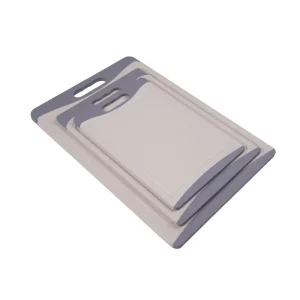
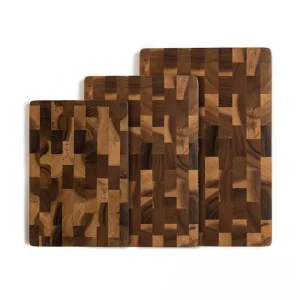
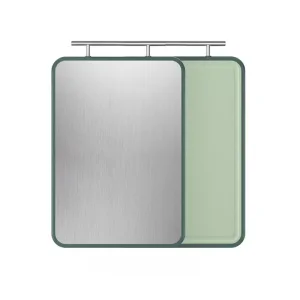
Explore our second collection of premium cutting boards, including organic wheat straw composites, heavy end-grain butcher blocks, and double-sided hygienic stainless steel stations.
Partner with JOYWAVE for reliable execution, competitive pricing, and strict quality control. Submit your requirements below, and our engineering team will follow up within 24 hours.
 Joywave