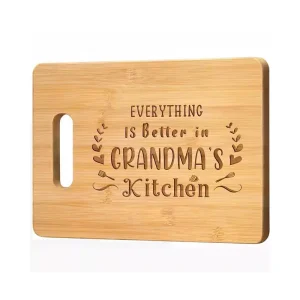
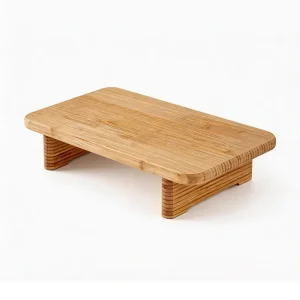
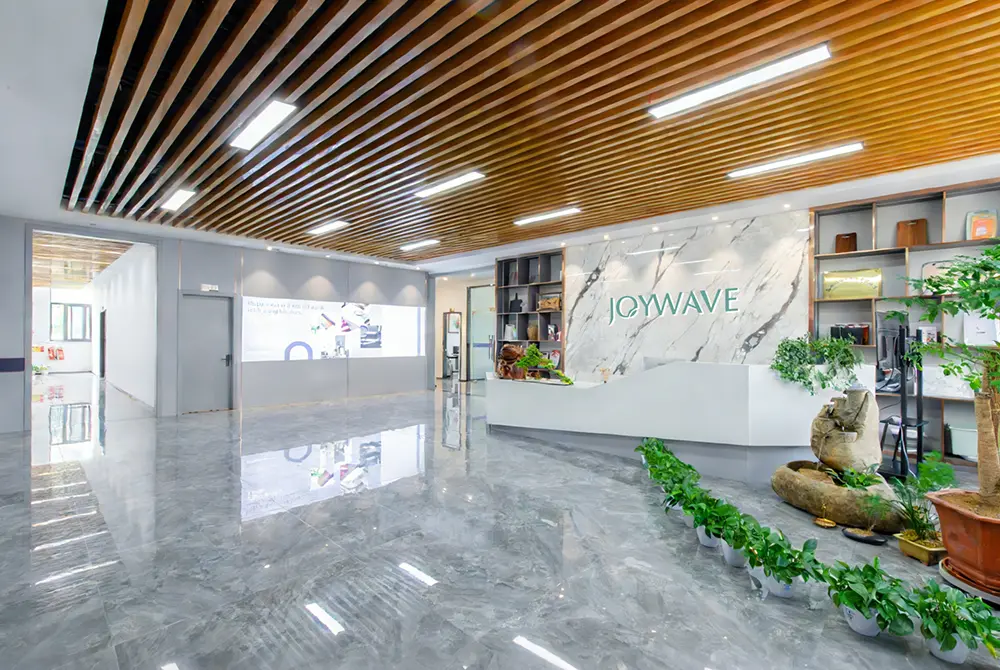
Founded in 2013 and strategicially positioned in Ningbo, China, JOYWAVE Kitchenware has evolved into a premier OEM manufacturer and vertically integrated industry leader. Over the course of more than a decade of continuous operational expansion, we have coupled advanced industrial design and robust material engineering with automated production capacities to deliver world-class food preparation products.
Our mission is defined by our commitments: strict automated quality control, regulatory and environmental alignment, and dynamic custom manufacturing schedules. We serve major global retailers like Walmart, Costco, Macy's, HomeGoods, and Williams Sonoma. Our logistics frameworks support both consolidated distribution and direct-to-warehouse shipping solutions across North America, Europe, Australia, and parts of Latin America.
The global commercial and domestic culinary market is undergoing a structural transition. Simple, mono-material cutting boards are being replaced by hybrid, high-end alternatives. Professional kitchens and upscale consumer brands demand specialized performance: knife blade preservation, high-temperature dishwasher compatibility, chemical sanitization resistance, and aesthetic integration with contemporary dining areas.
This material development is driven by strict public health regulations and changing consumer preferences. Buyers expect eco-friendly options, such as bioplastic wheat straw composites, alongside premium FSC-certified woods (such as Acacia and Walnut) and sterile, food-grade 304 stainless steel. As leading suppliers in Ningbo, we offer customized solutions across these material options, providing B2B buyers with access to multi-material production lines under one roof.
Engineered surface hardness (Shore D scaling) to minimize blade degradation while preventing deep gouging.
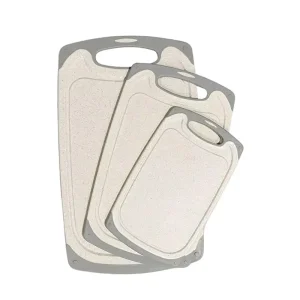
Natural agricultural byproduct integration (Wheat Straw) paired with post-consumer recycled PP matrix.
To assist global procurement officers in selecting the appropriate substrate for their specific retail and food-service demographics, we have compiled a structural comparison matrix of our primary material categories.
| Material Class | Hardness Rating | Hygiene / Cleanability | Thermal Limitations | Typical B2B Applications |
|---|---|---|---|---|
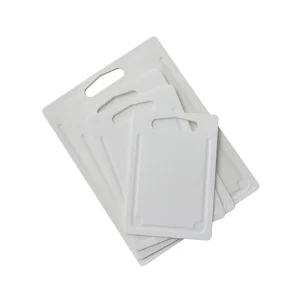
| Virgin Polypropylene (PP) | 70 - 75 Shore D | Excellent (Non-porous, dishwasher safe) | Up to 110°C / 230°F | High-volume retail sets, commercial prep kitchens |
| Wheat Straw Composite | 65 - 72 Shore D | Excellent (Biodegradable hybrid polymer) | Up to 100°C / 212°F | Eco-focused home brands, private label sets |
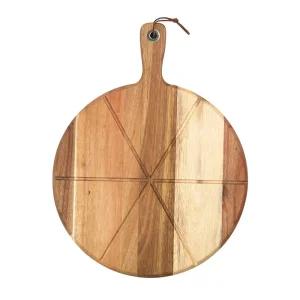
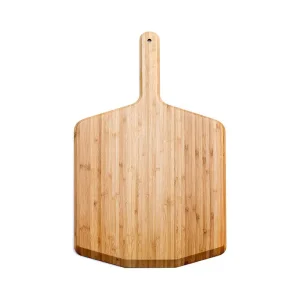
| Premium Kiln-Dried Acacia | 1100 - 1750 lbf (Janka) | Good (Natural antibacterial tannins) | N/A (Avoid hot immersion) | Pizza serving boards, luxury cheese & charcuterie trays |
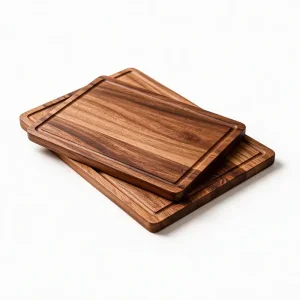
| Select Walnut Wood | 1010 lbf (Janka) | Good (Close-grained, self-healing fibers) | N/A (Hand wash only) | Premium knife blocks, architectural counter prep |
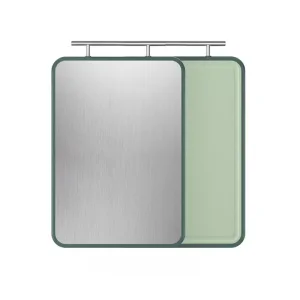
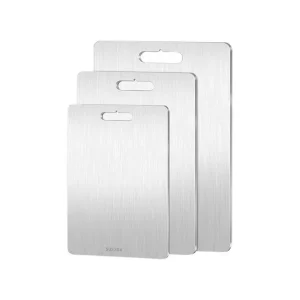
| 304 Food-Grade Stainless Steel | 150 - 200 HB (Brinell) | Absolute Sterile (Bacteriostatic surface) | Up to 800°C / 1472°F | Pastry kneading, raw meat prep, medical food prep |
Operating out of Ningbo, JOYWAVE profits from one of the world's most dense and sophisticated plastic and woodworking clusters. By maintaining advanced raw material supply networks and high-tonnage injection molding automation, we mitigate the geopolitical and logistical risks typical of global trade.
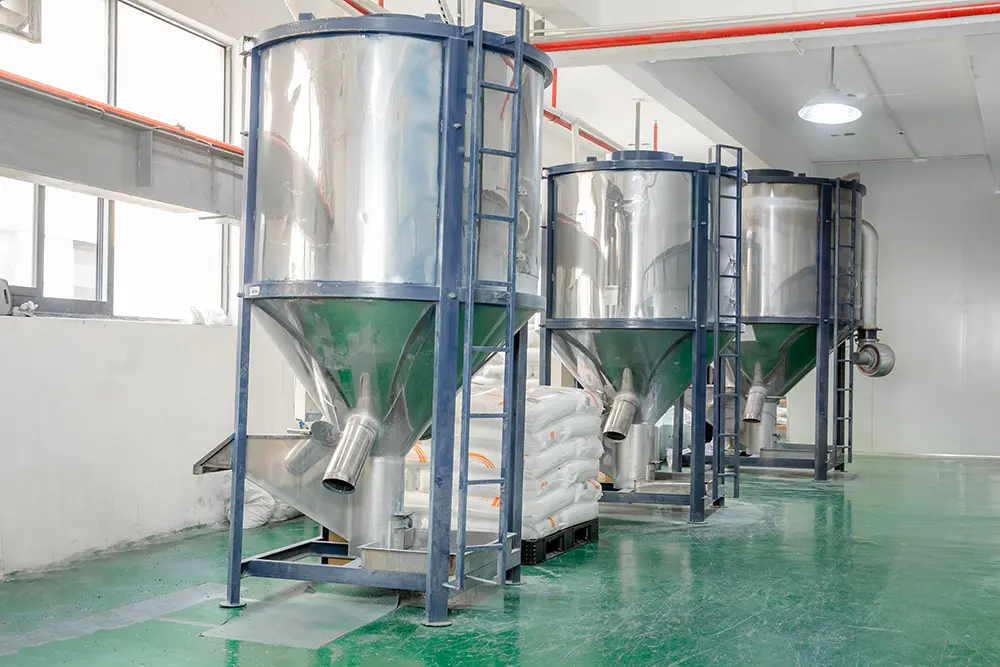
High-precision gravimetric dosing of virgin polymers, organic colorants, and anti-microbial additives.
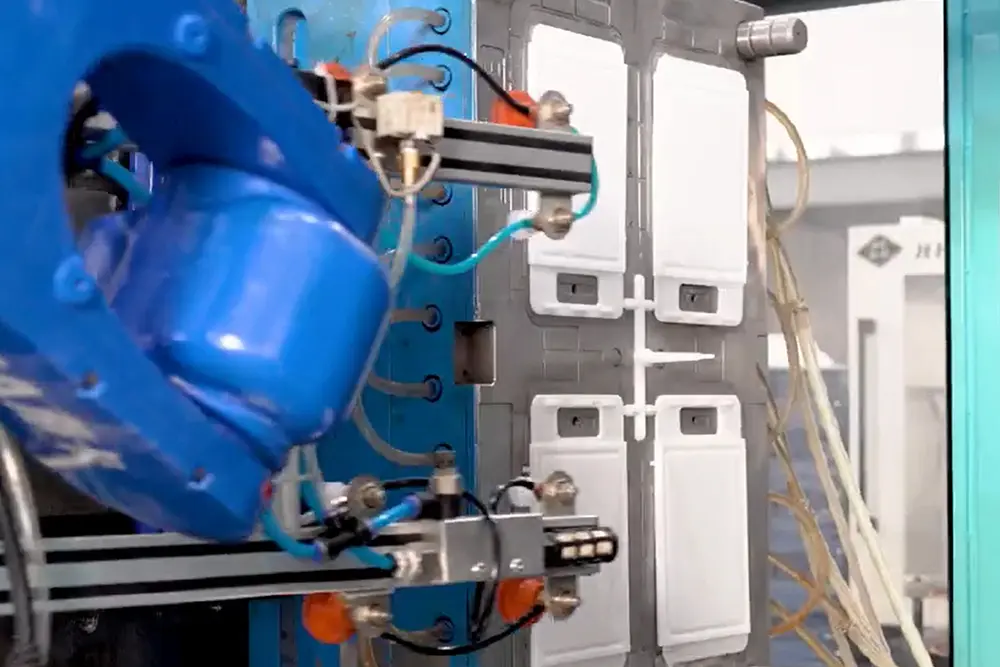
High-tonnage hydraulic clamping machines inject uniform plastic melt under controlled temperature zones.
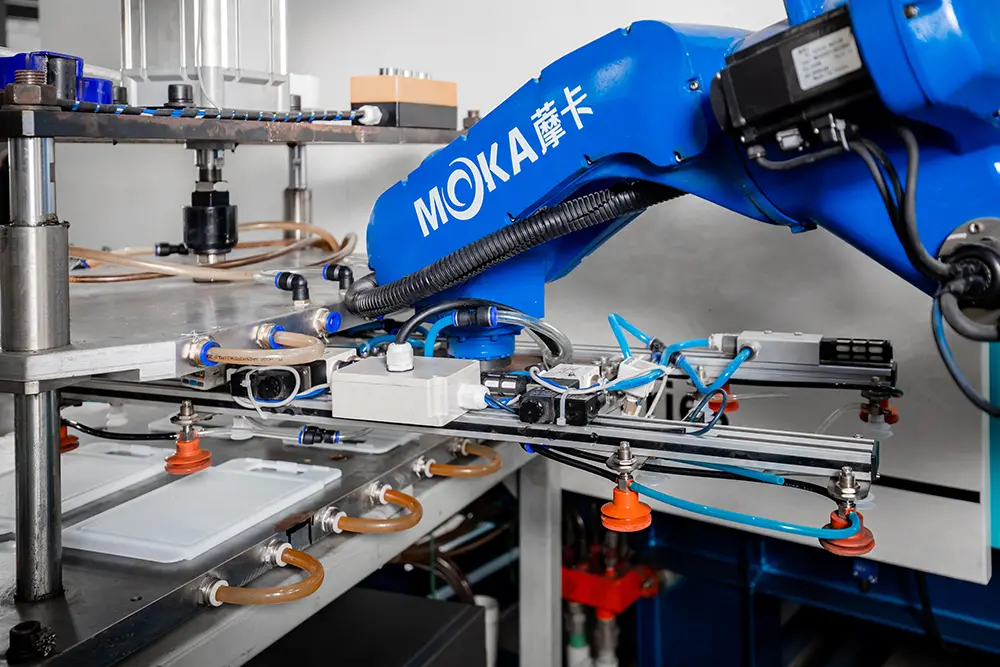
6-axis industrial robotic arms retrieve molded boards instantly, minimizing cycle time and defect rates.
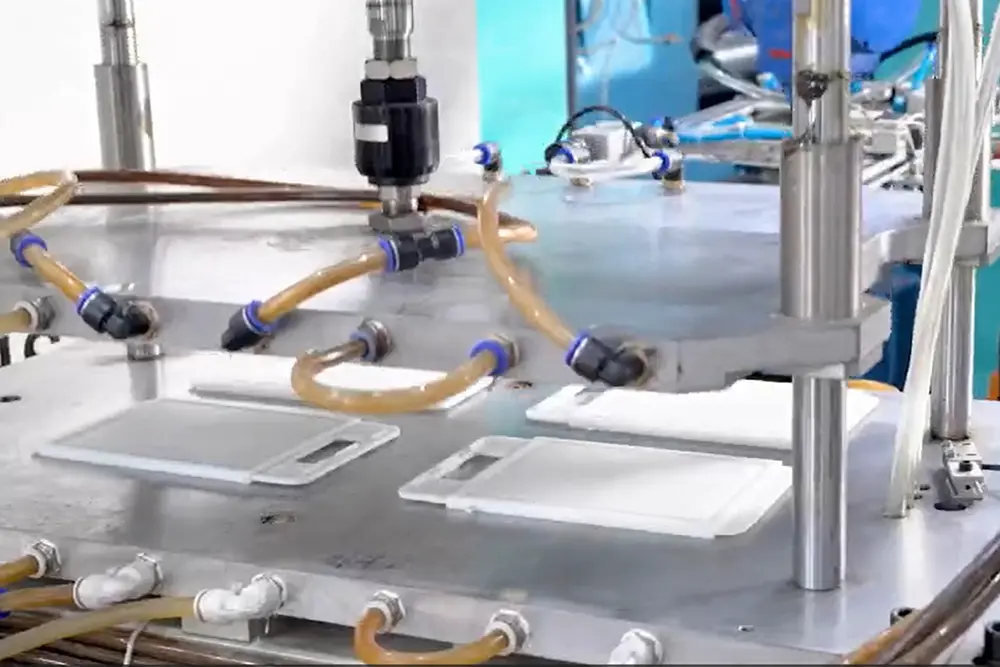
Boards are placed in specialized hydraulic presses during cooling to prevent structural warping.
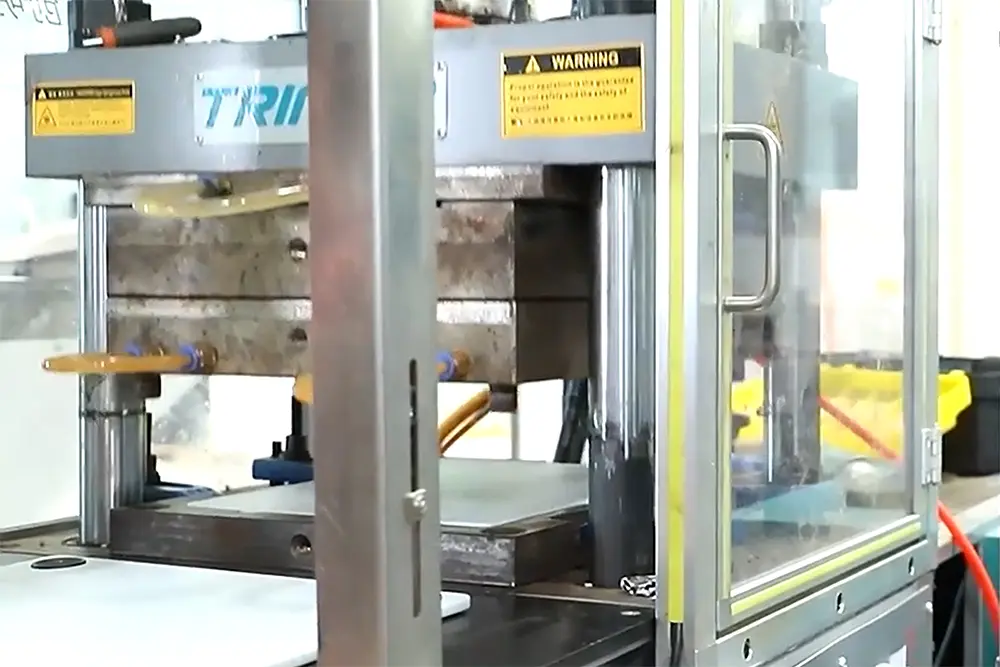
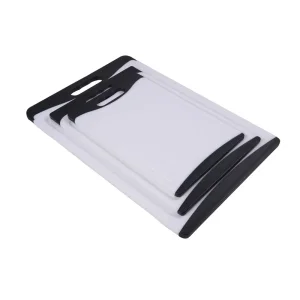
A secondary thermoplastic elastomer (TPE) injection creates non-slip borders for high-safety kitchen prep.
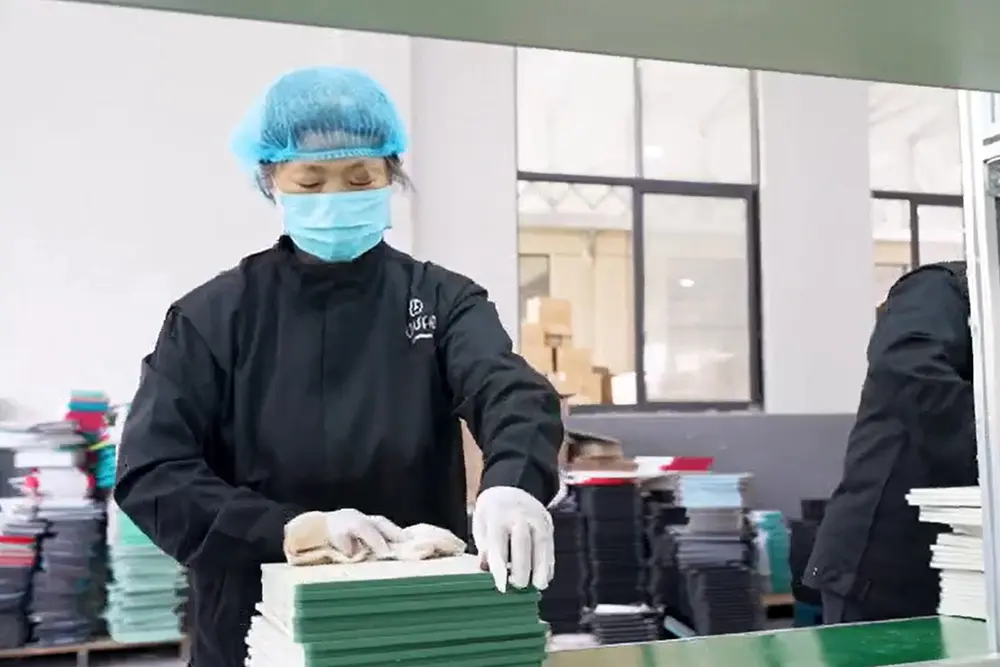
Deburring and surface cleaning to remove flash or static particles from production lines.
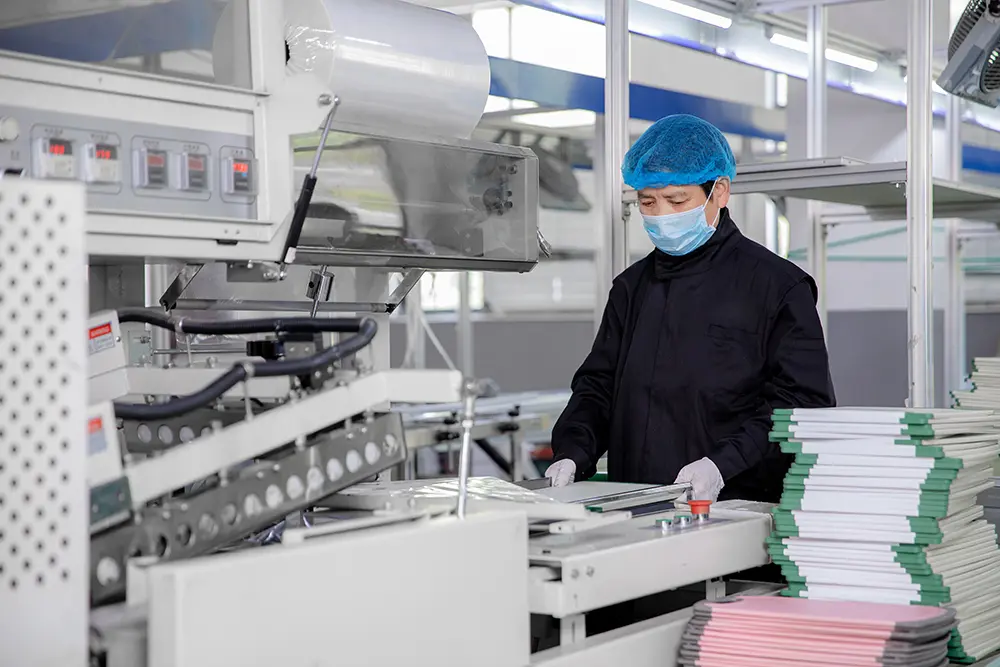
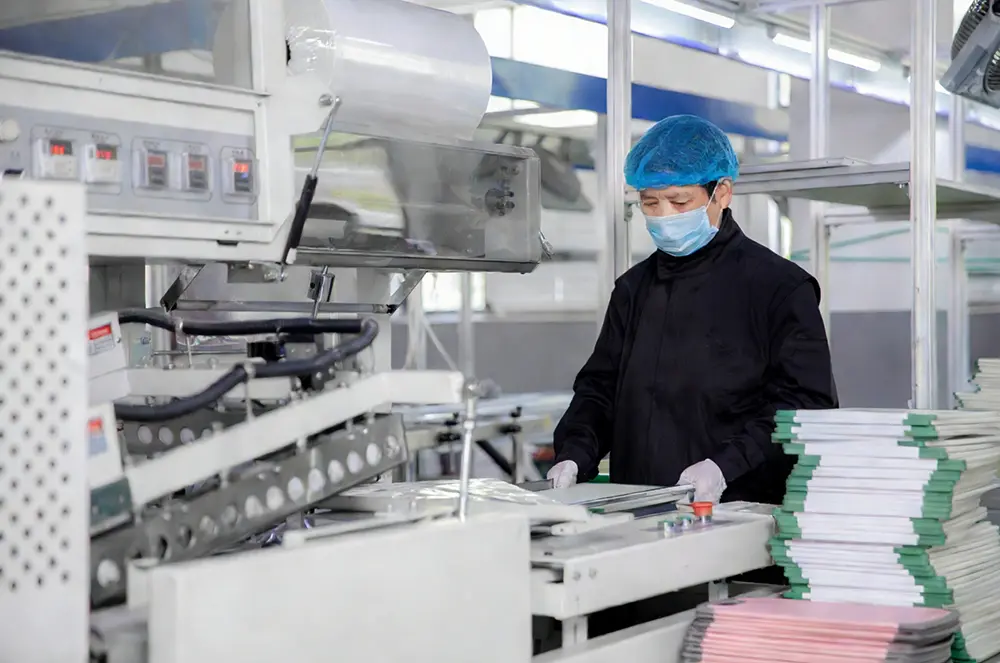
Automated application of customized customer labeling followed by high-speed thermal shrink wrapping.
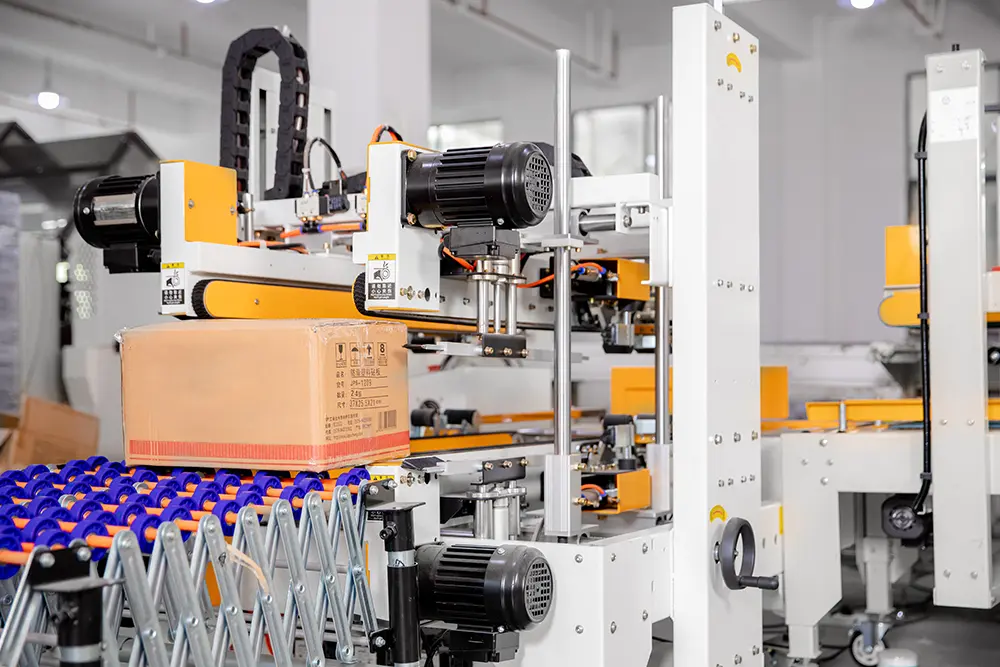
Palletized consolidation in double-walled corrugated boxes to prevent transport moisture intrusion.
Our research and development team is focused on improving structural durability, reducing environmental impact, and adding new features. We actively prototype using biopolymers derived from marine-recycled plastics and local agricultural byproducts. This approach helps reduce virgin petroleum use by up to 45% without compromising mechanical strength.
Our wood division uses controlled chamber drying systems that track internal moisture levels in real time. For wood varieties like Acacia and Walnut, we dry the wood until it reaches an equilibrium moisture content of 8-12%. This helps prevent cracking, warping, or seam separation, even when products are shipped through varying international climates.
Pioneering the use of clean wheat straw, bamboo fibers, and organic starches bound in non-toxic matrices.
High-resolution CNC laser machinery prints slicing guides directly onto wooden and composite boards with sub-millimeter accuracy.
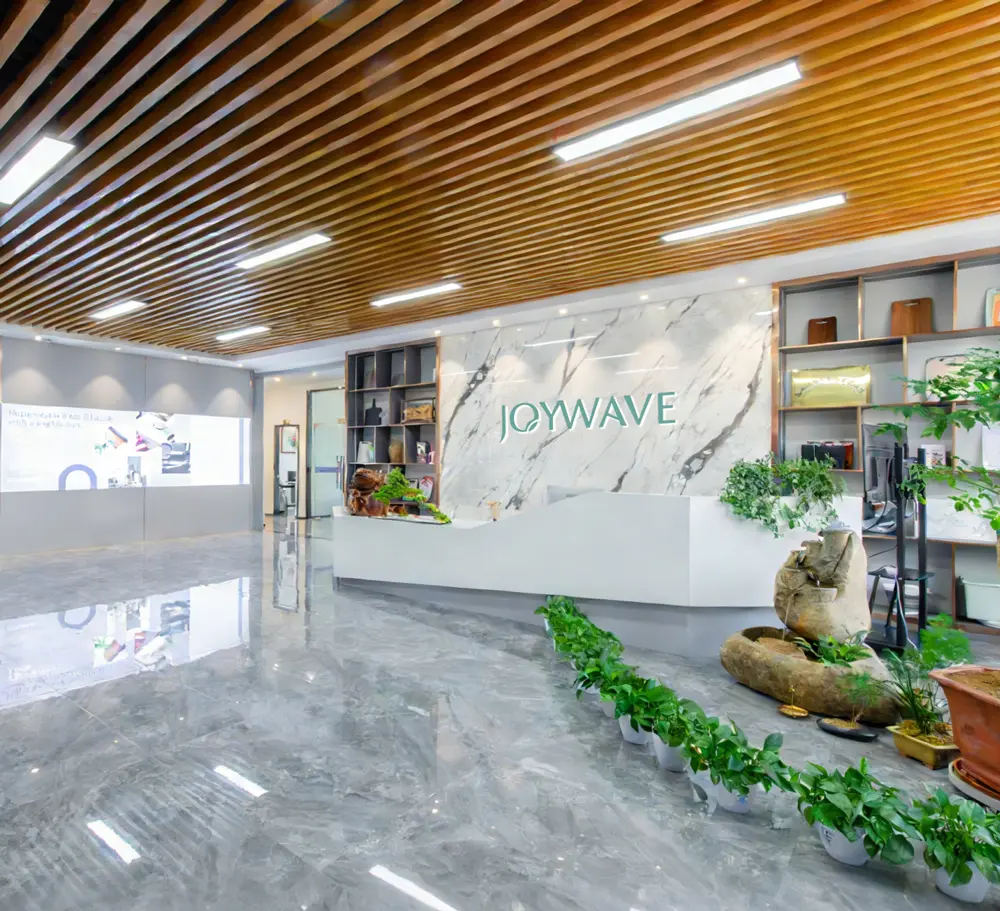
We simplify the transition from initial design concepts to delivered cargo. Our sales, engineering, and logistics teams operate in alignment to ensure standard processing steps are followed.
We convert your design requirements and physical reference items into standard 2D and 3D manufacturing files.
Our tooling shop cuts high-grade steel injection molds, generating physical samples for visual and dimensional check.
Approved prototypes transition to automated assembly lines under regular quality control audits.
Ningbo Port's location supports ocean freight dispatch with real-time customs filing and document handling.
Our standard production MOQ for custom plastic injection molded cutting boards (PP or Wheat Straw) is 3,000 units per colorway. For high-end wood variations (Acacia and Walnut), the MOQ is typically 1,500 units. Smaller trial quantities can occasionally be consolidated with existing runs depending on material availability.
All materials we process undergo verification at independent laboratories (SGS, TUV, Intertek). Our plastic and composite items comply with FDA 21 CFR regulations for the US market and LFGB testing protocols for European markets. Our factories hold active BSCI audit credentials to meet international social compliance standards.
Upon receipt and confirmation of 3D CAD models, mold tooling requires 25 to 30 working days. First-article plastic prototypes (T1 samples) are prepared for customer review within 5 working days of mold completion. Production typically takes 35 to 45 days, depending on raw material sourcing schedules.
We use specialized seasoning practices for wood. Raw timber is kiln-dried under vacuum pressure to lower the moisture content to 8–12%. Once cut and polished, the wood is treated with food-grade mineral oil, and we use protective silica gel packets in shrink-wrapped packaging to help maintain stable humidity levels during transit.
 Joywave