Engineered to meet the rigorous physical and sanitary standards of commercial culinary operations and consumer product specifications.
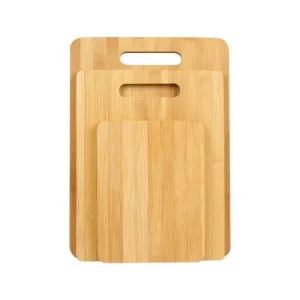
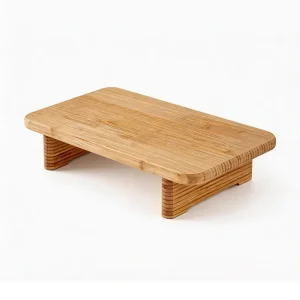
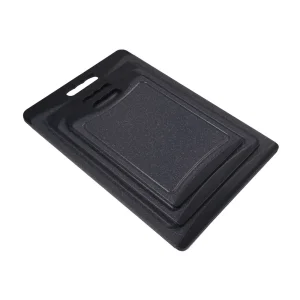
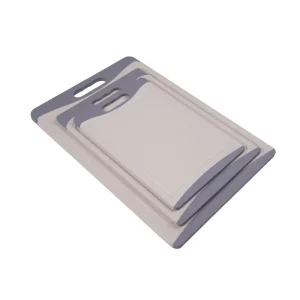
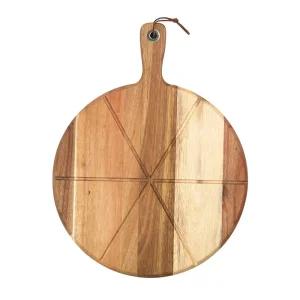
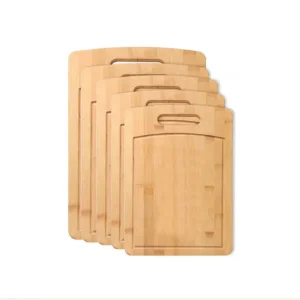
In the contemporary culinary accessories market, the demand for large chopping boards has experienced a significant paradigm shift. Historically considered a basic kitchen utility, the modern chopping board is now recognized as a critical vector for maintaining hygiene, optimizing chef ergonomics, and maintaining knife-edge longevity. Globally, the growth of the culinary sector, coupled with stringent food safety regulations, has elevated the requirements for raw material purity, antimicrobial surfaces, and structurally stable formats.
Key industry analysts point to a strong CAGR expansion in the eco-friendly and composite food preparation sectors. Consumer and institutional preferences are leaning heavily toward sustainable materials like FSC-certified bamboo, premium end-grain acacia wood, and innovative biocomposites like wheat straw. Simultaneously, high-density polymers such as Polypropylene (PP) and High-Density Polyethylene (HDPE) remain the foundational choices for commercial kitchens because of their resilience to commercial sanitizers and heat settings.
To prevent warp and structural decay under humid conditions, manufacturers are adopting cross-laminated bamboo configurations and vacuum-treated kiln drying for wood boards. In the polymer sector, the introduction of non-slip thermoplastic elastomers (TPE) over-molded onto core structures represents a milestone in preventing workplace slipping injuries, ensuring a secure grip even on moist stainless steel prep tables.
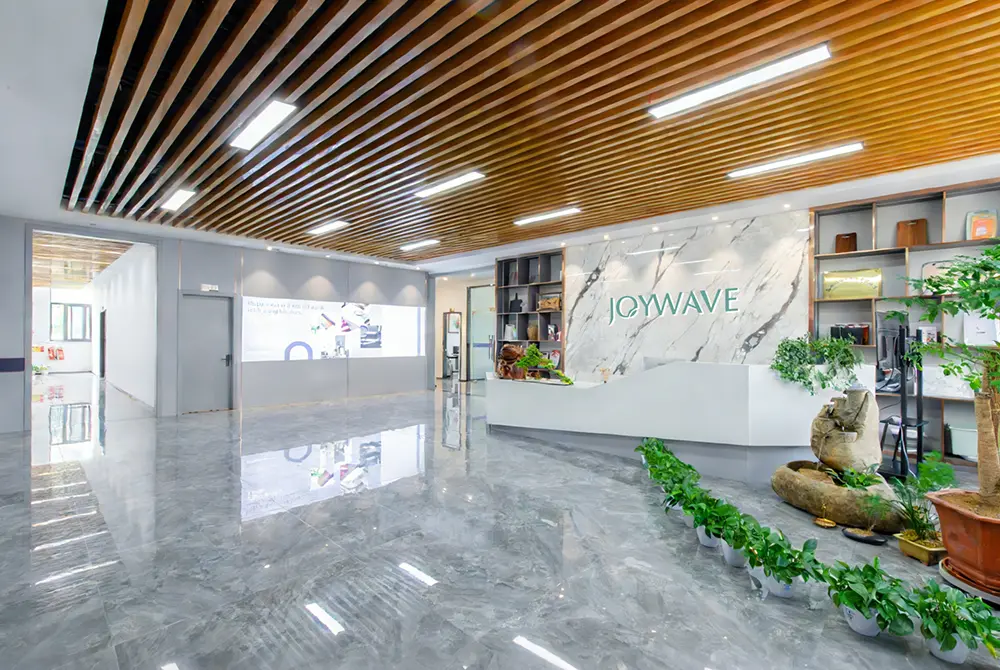
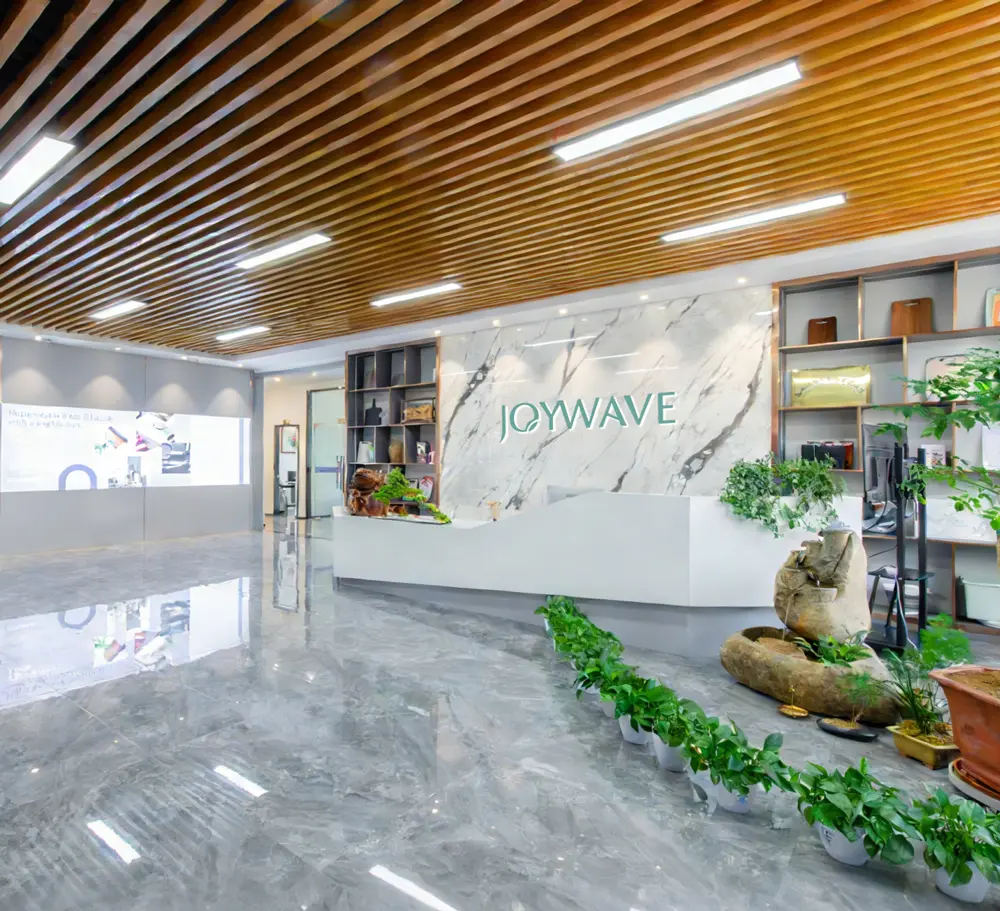
Founded in 2013 and based in Ningbo, JOYWAVE is a specialist OEM manufacturer and industry expert in kitchenware. With over a decade of focused experience, we integrate comprehensive in-house design, development, and manufacturing at our dedicated facilities to deliver tailored solutions for leading global brands.
Providing OEM Excellence Since 2013
Our dedication to engineering excellence and compliance is demonstrated by tangible performance metrics across our global supply chains.
Selecting the ideal medium for specific culinary applications requires a balanced analysis of material characteristics, hardness levels, hygiene maintenance, and life-cycle durability.
| Material Class | Hardness Rating (Janka/Shore) | Knife Edge Retention | Sanitization Method | Eco-Sustainability profile | Ideal Application Scene |
|---|---|---|---|---|---|
| Bamboo (Cross-Laminated) | High (Approx. 1,180 lbf) | Good | Hand wash, UV Sterilization | Very High (Fast growth cycle) | Residential prep, eco-friendly promotions |
| Acacia Wood (End-Grain) | Medium-High (1,750 lbf) | Excellent (Self-healing fibers) | Hand wash, mineral oil treatment | High (Renewable hardwood) | Heavy carving, premium presentation |
| Polypropylene (PP/TPE) | Shore D 70 | Fair (Resistant to deep cuts) | Dishwasher Safe, Chemical sanitizers | Recyclable polymers | High-throughput commercial kitchens |
| Wheat Straw Composite | Shore D 65 | Fair | Dishwasher Safe (Up to 110°C) | Excellent (Agricultural byproduct) | Eco-conscious retail lines, daily meals |
| Stainless Steel | Very High | Low (Rapid dulling) | Dishwasher Safe, Autoclavable | High (Infinite recycling) | Raw dough processing, pastry prep |
Each material has distinctive structural behaviors when scaled to large layouts (typically sizes exceeding 40x30 cm). Bamboo's high tensile strength makes it an excellent choice for thin-profile boards, which helps keep the overall weight low for ease of handling. On the other hand, End-Grain Acacia requires a thicker block profile to prevent warp, providing a solid, immovable surface ideal for heavy-duty butchering.
For polymers, thermal expansion must be calculated during the injection molding phase to ensure the board remains flat during high-temperature dishwasher cycles. Joint designs, over-molded borders, and groove depths are calibrated to manage liquid containment without compromising the active workspace.
How Joywave maintains precise specifications from raw input compounds to finished retail configurations.
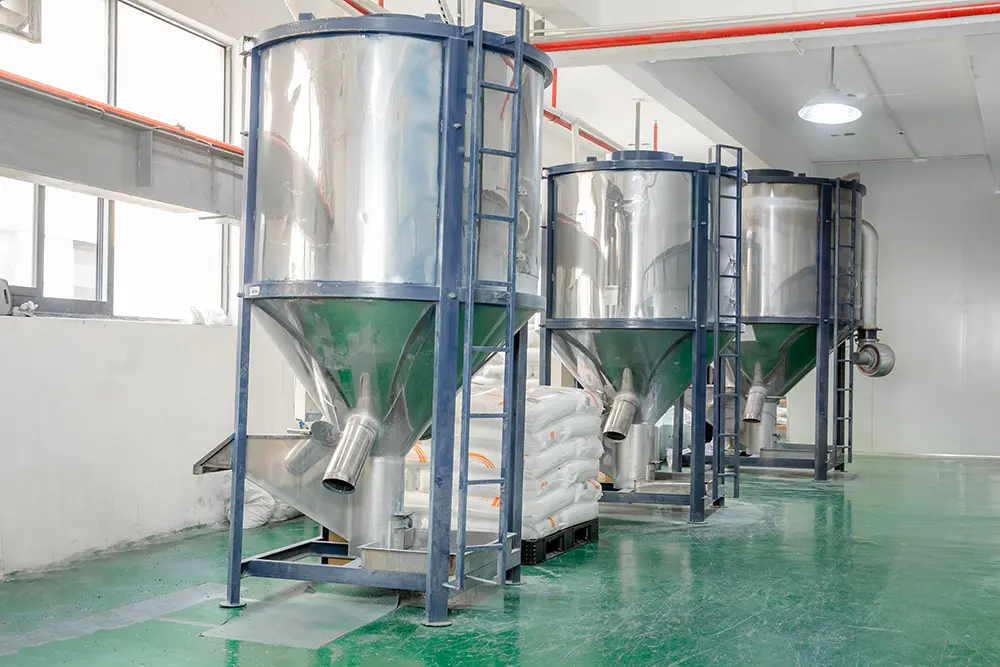
Pour color powder and raw polymer materials into the mixer, blending until fully homogeneous.
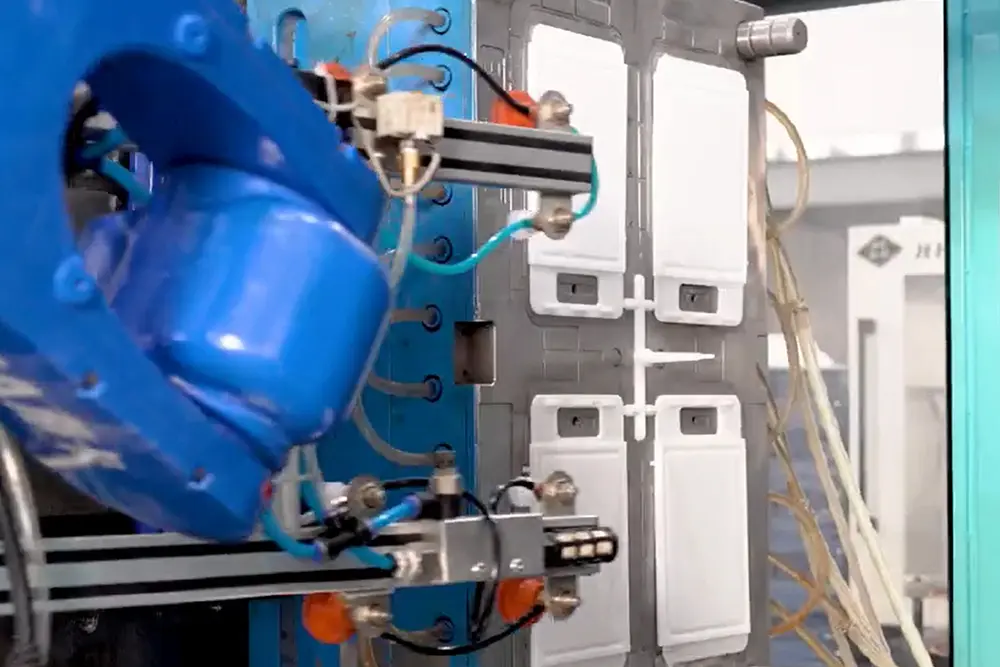
Blend materials are fed into the hopper, and injected into high-pressure molds under managed thermal cycles.
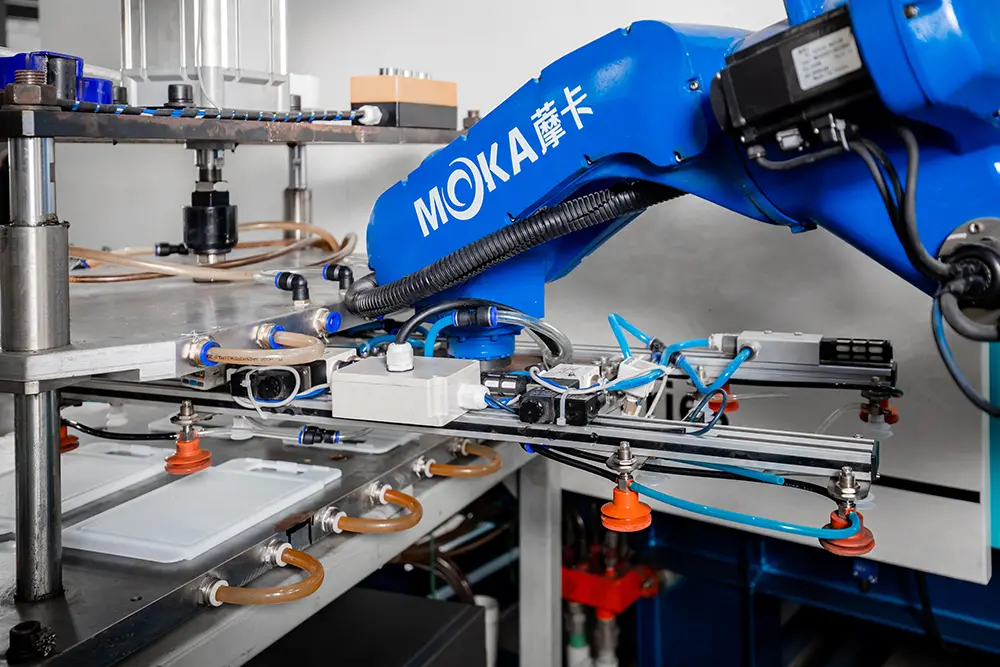
A robotic arm removes the molded product from the injection machine, transferring it to the cooling station.
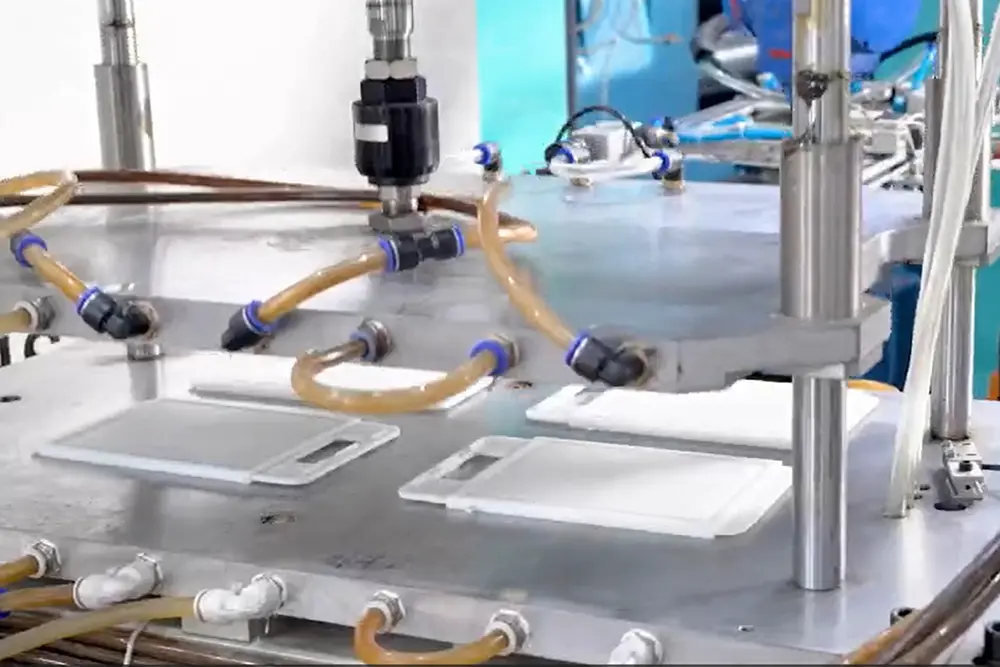
Products undergo managed cooling under physical compression to prevent structural bowing.
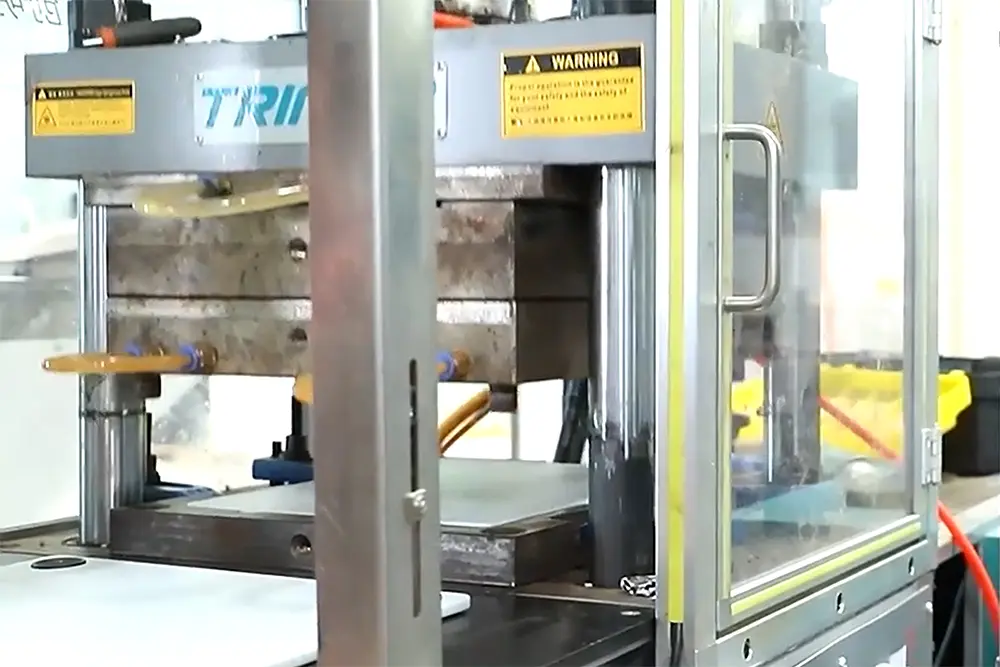
The product is transferred to an over-molding system where secondary non-slip borders (TPE) are integrated.
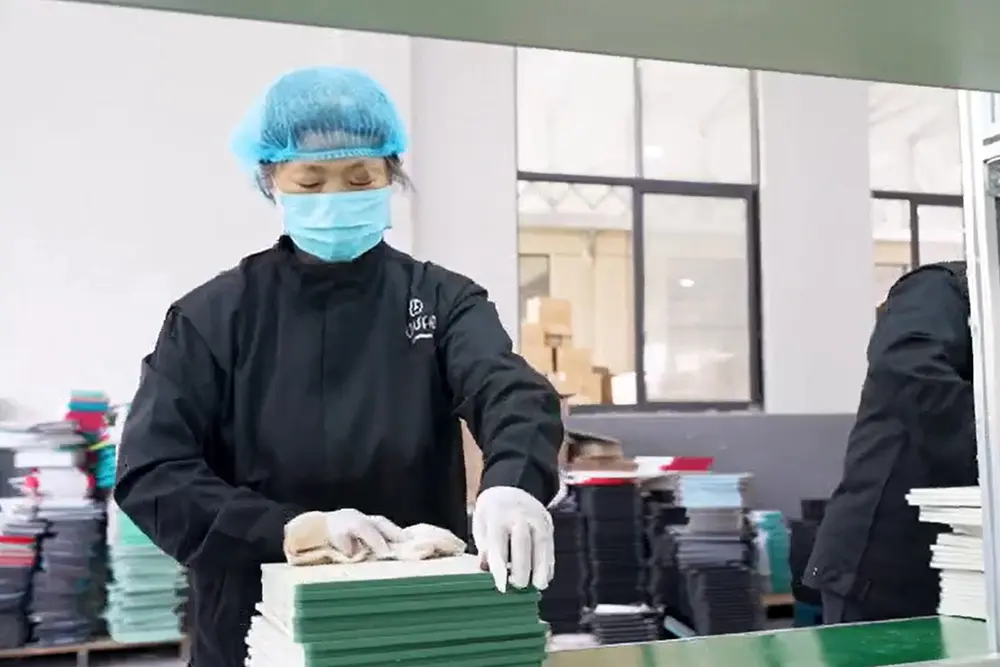
Surfaces are wiped down, flashing is trimmed, and static dust is removed before inspection.
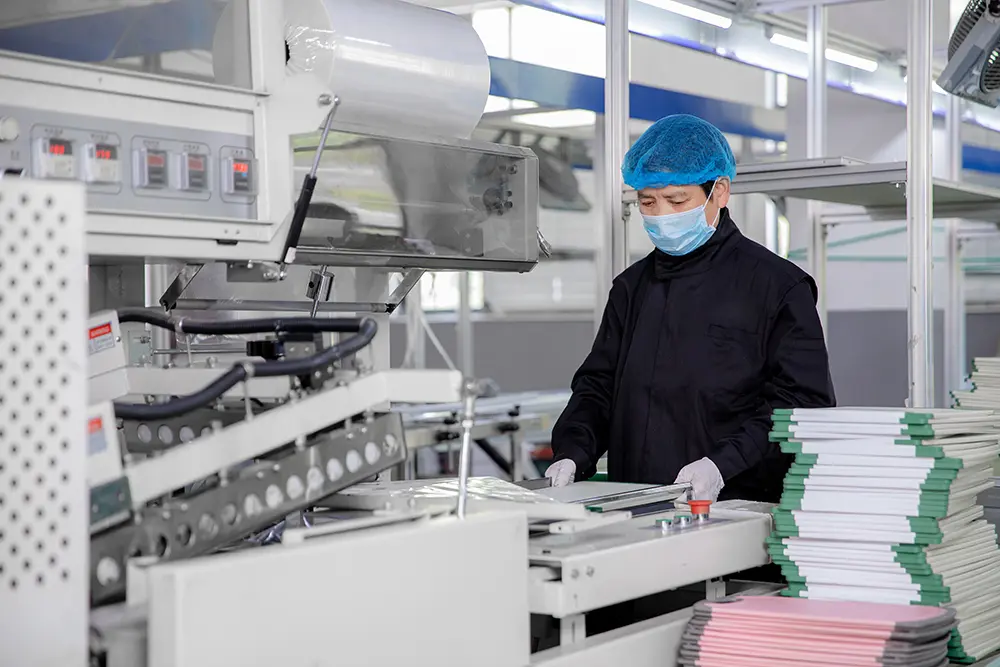
Product labels are applied, and boards are passed through an automated heat shrink wrap tunnel.
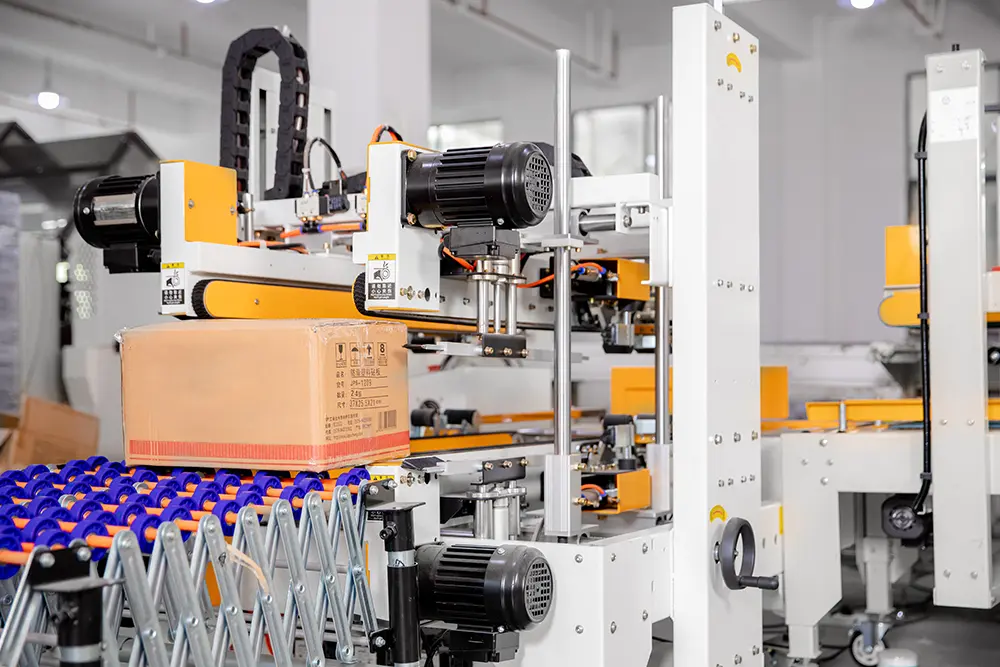
Wrapped sets are packed into master shipping cartons, cataloged by production batch code.
As your dedicated OEM partner, we provide full-scope manufacturing services for a diverse and expanding product range. Our foundational expertise is in cutting boards, cutting mats, and serving trays, which we expertly produce in materials including Polypropylene, Polyethylene, Bamboo, Wood, Stainless Steel, and other eco-friendly alternatives.
Building on this core strength, our capabilities have grown into a complete "Cutting Board & More" portfolio. We now also manufacture Kitchen Storage solutions, Baking Tools, Cutlery, and various Kitchen Gadgets, offering clients a streamlined, one-stop source for coordinated kitchenware lines.
Tailored options designed to streamline procurement channels for multi-region retailers and commercial hospitality operators.
Optimized bulk shipping arrangements for volume orders. We integrate order quantities with containerized transport layouts to maximize volume utilization, lowering shipping costs per unit for long-distance routes.
Our manufacturing processes are structured to meet global retail standard audits. We provide transparent documentation for factory operations, working conditions, and chemical safety.
Custom design options for packaging, PDQ point-of-sale display layouts, and multi-unit pack options tailored for retail display layouts at warehouse clubs and home goods retailers.
Operating across diverse regulatory jurisdictions requires strict compliance adherence. Our manufacturing configurations undergo certifications like CE Certification, LFGB compliance, and FDA checks. This ensures that every shipment complies with destination import laws.
We align with international supply chains to deliver products directly to retail hubs or regional distribution centers in North America, Europe, and Asia-Pacific.
Looking to the future of food preparation design, our engineering focus is directed toward three main pillars: material innovation, ergonomic design improvements, and environmental responsibility.
Integrating silver-ion and organic bio-based antibacterial compounds directly into the polymer chain during mixing. This provides continuous resistance to bacteria growth for the product's lifespan without chemical leaching.
Expanding the use of Post-Consumer Recycled (PCR) polymers and bio-resin bases to minimize reliance on virgin petrochemicals, maintaining strict food safety compliance.
Investing in multi-cavity injection molds and automated handling setups to shorten manufacturing times and reduce production energy consumption.
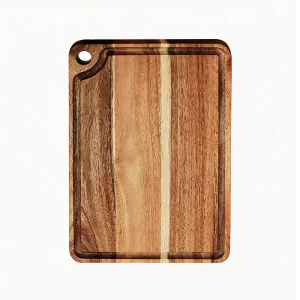
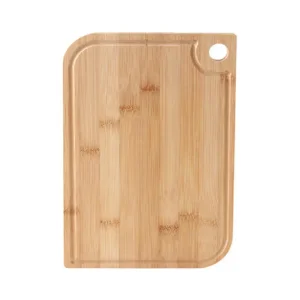
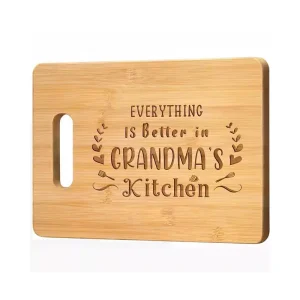
Discover our specialized board solutions, built with focus on edge safety, anti-bacterial hygiene, and certified production standards.
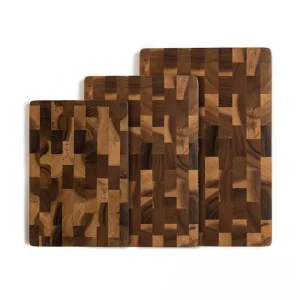
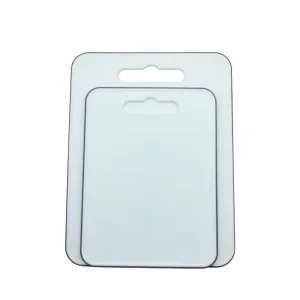
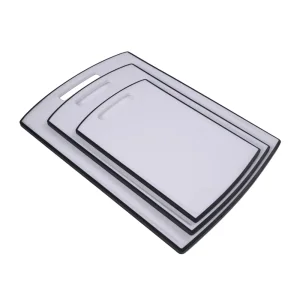
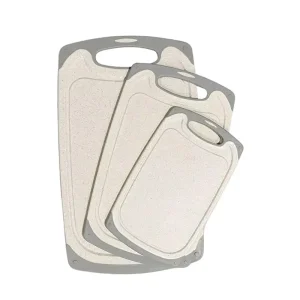
Addressing the technical, material, and logistical questions commonly raised by B2B buyers and compliance officers.
For our polymer lines, we use 100% virgin Food-Grade Polypropylene (PP) and Polyethylene (PE) free from harmful plasticizers, complying with FDA and European REACH guidelines. For our bamboo and acacia lines, we utilize ultra-low emission adhesives that meet E0 and E1 standards. This ensures that no toxic gases or chemical residues migrate into foods during prep.
Warping is caused by directional moisture migration. We prevent this by kiln-drying the raw wood until its internal moisture level stabilizes between 8% and 12%. For bamboo boards, we implement a cross-grain, multi-ply lamination technique. By alternating the direction of the bamboo fibers across three layers, we neutralize internal stress, preventing warping when exposed to kitchen heat and humidity.
Wheat straw composite represents an eco-friendly option that repurposes agricultural byproducts. It blends agricultural waste fibers with food-grade polypropylene, reducing synthetic polymer usage by up to 30%. This approach aligns with global sustainability initiatives without compromising dishwasher safety, physical shear resistance, or surface longevity.
We provide deep customization solutions, including custom juice groove configurations, integrated non-slip TPE corner elements, laser-etched branding, structural handles, and custom dimensions. Additionally, we support customized multi-material sets (e.g., nesting color-coded plastic boards in a bamboo frame) designed to meet specific market preferences.
From our strategic base in Ningbo, China—home to one of the world's largest deepwater ports—we coordinate logistics directly with international freight lines. Our standard OEM production cycle is 35 to 45 days after sample approval, depending on the material class and mold tooling requirements. We also offer flexible FOB and DDP shipping configurations to suit our clients' import processes.
 Joywave