A Stainless Chopping Board is used for controlled food preparation, especially when cooks need a hard, nonporous, and easy-to-clean surface. It handles vegetables, herbs, meat, seafood, and pastry work without absorbing juices or strong odors. Its cool surface can also help when shaping butter-rich dough or cutting delicate ingredients. Still, it is not a magic shield.
The Centers for Disease Control and Prevention estimates that foodborne illnesses cause about 48 million illnesses, 128,000 hospitalizations, and 3,000 deaths annually in the United States (CDC, “Estimates of Foodborne Illness,” 2011). The FDA Food Code 2022 also emphasizes cleanable, durable, and smooth food-contact surfaces. These standards explain why stainless steel appears in professional kitchens, butcher shops, catering stations, and food-processing areas. Its resistance to corrosion supports repeated washing, while its nonabsorbent character limits liquid penetration. Scratches, welded seams, and neglected corners still need attention.
Food-safety researcher Dr. Benjamin Chapman offers a useful warning: “You can’t look at a food and tell if it’s contaminated.” That principle matters here. A shiny board can still carry residue. Wash it with detergent, rinse it thoroughly, and sanitize it according to the product label. Keep raw meat separate from ready-to-eat foods. Dry the surface before storage. Simple steps matter.
The choice is not perfect. Stainless steel may dull knives faster than softer boards, and it can become noisy during chopping. Yet for kitchens prioritizing hygiene, durability, and fast visual inspection, it remains a practical tool. Used carefully, a Stainless Chopping Board supports safer preparation without pretending to replace good food-handling habits.
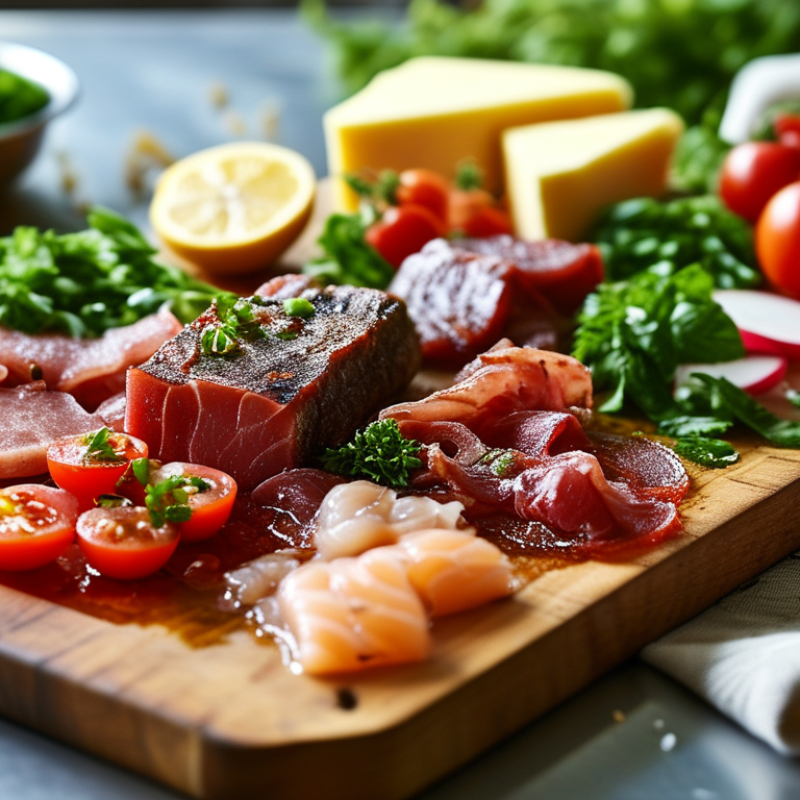
A stainless chopping board is a rigid, food-contact surface made from corrosion-resistant steel. It is used for cutting vegetables, meat, seafood, herbs, and pastry ingredients. Its nonporous face does not readily absorb juices, odors, or pigments. That matters when garlic, beetroot, or raw poultry leaves a sharp smell behind.
The FDA Food Code 2022 describes suitable food-contact surfaces as smooth, durable, nonabsorbent, and easily cleanable. Stainless steel closely matches these requirements when it is properly finished and maintained. CDC estimates that foodborne illnesses cause about 48 million illnesses and 128,000 hospitalizations annually in the United States. A washable cutting surface supports safer routines, but it cannot replace handwashing or temperature control. Clean it with hot water and detergent after raw meat contact, then sanitize according to local guidance. Dry it fully, because trapped moisture can still encourage contamination around edges or scratches.
Its key features include high heat resistance, strong impact tolerance, and stable dimensions. It will not warp like thin plastic. However, steel can be noisy and may dull a knife faster than softer boards. It can also slide on a wet counter. I would use a non-slip mat beneath it. The board is not perfect. Deep scratches, rough welds, or neglected corners weaken its hygienic advantage. Regular inspection remains necessary, especially in busy kitchens where small defects are easy to overlook.
A stainless chopping board provides a durable, non-porous surface for cutting vegetables, fruits, meat, seafood, and dough. The chart shows the approximate nominal composition of commonly used 304 stainless steel by mass.
Chromium helps stainless steel resist corrosion by forming a protective surface layer, while nickel supports corrosion resistance and toughness. The iron balance provides the structural strength needed for repeated chopping, scraping, and cleaning. Stainless steel is also non-porous, easy to sanitize, and does not absorb food odors or liquids.
A stainless chopping board supports everyday food preparation, especially when hygiene matters. Its nonporous surface does not absorb onion juice, meat liquid, or strong spices. It works well for chopping vegetables, slicing fruit, mincing herbs, and portioning cooked food. Many cooks also use it for pastry work and opening packaged ingredients. The surface is durable and resists staining, cracking, and lingering odors.
Food safety gives this tool practical value. The World Health Organization estimates that contaminated food causes about 600 million illnesses and 420,000 deaths worldwide each year. A stainless surface cannot prevent contamination alone. However, it can be washed and sanitized more consistently than damaged wooden or deeply scored plastic boards. USDA Food Safety and Inspection Service guidance recommends cleaning cutting boards with hot, soapy water after preparation. The FDA Food Code 2022 also emphasizes frequent cleaning of food-contact surfaces.
Tips: Keep one board for raw proteins and another for ready-to-eat foods. Wash the board immediately after use, then dry it fully. Do not leave meat juices near salads. Stainless steel can be slippery, especially under wet vegetables. A damp towel underneath improves stability. It may also feel harsh on knife edges, and chopping sounds can be loud. I sometimes miss the softer feel of wood. Still, a stainless board is useful when fast cleaning and visible cleanliness matter. Inspect it regularly for deep scratches, because “easy to clean” is not the same as “always clean.”
A stainless chopping board is useful for raw meat, seafood, vegetables, and dough. Its nonporous surface resists absorbed juices and odors better than many wooden boards. However, stainless steel is not self-sanitizing. The board can still carry harmful bacteria across foods.
Safe handling matters most. The CDC estimates that foodborne illness causes about 48 million illnesses and 3,000 deaths in the United States each year. Raw poultry, meat, and seafood should stay separate from ready-to-eat foods. After cutting them, wash the board with hot water and detergent, then use a food-safe sanitizer according to its label. The FDA Food Code 2022 also emphasizes cleaning and sanitizing food-contact surfaces. Let the board air-dry fully. A wet board can slide, especially during fast chopping.
Tips: Place a damp, folded towel underneath the board. Keep your knife sharp, but use controlled pressure because stainless steel can feel slippery. Never leave cut food at room temperature for long; USDA guidance recommends refrigerating perishables within two hours. Check the board before use. Deep scratches or bent edges need attention. I once treated a clean-looking surface as safe enough, but appearance proves very little. Wash your hands for at least 20 seconds, particularly after touching raw ingredients. Clean the sink and nearby handles, too. A small splash can travel farther than expected.
A stainless chopping board handles vegetables, meat, seafood, and pastry preparation. Its non-porous surface helps limit liquid absorption and odor retention. However, stainless steel is not self-sanitizing. Tiny scratches, knife grooves, and food residue can still shelter microbes. The USDA Food Safety and Inspection Service advises washing food-contact surfaces after preparing raw meat, poultry, or seafood. Do not rely on appearance. A clean-looking board may still be unsafe.
Scrape away scraps immediately. Wash the board with hot water and dish detergent, using a firm brush around scratches and edges. Rinse thoroughly, then apply a food-contact sanitizer. The FDA Food Code 2022 requires sanitizers to follow their labeled concentration and contact time. A test strip can verify chemical strength, because guessing is unreliable. Never mix sanitizing chemicals. Let the board air-dry fully before storing it upright. A dry surface is less welcoming to microorganisms.
The World Health Organization estimates that contaminated food causes about 600 million illnesses worldwide each year. That figure makes routine cleaning feel less ordinary. I once wiped a board quickly and considered it finished. That was careless. Separate boards for raw proteins and ready-to-eat foods can reduce cross-contamination, especially in busy kitchens. Inspect the surface weekly. Deep cuts may remain difficult to clean, so replacement can be more practical than endless scrubbing.
A stainless chopping board is used for preparing meat, fish, vegetables, garlic, and pastry. Its nonporous surface does not absorb juices, colors, or strong odors easily. I find it useful when handling raw ingredients that need careful cleaning. Warm water, dish soap, and thorough drying usually remove residue effectively. It feels hygienic.
Compared with wood, stainless steel resists warping, cracking, and moisture damage. It also avoids the oiling routine that some wooden boards require. Plastic boards are often lighter and kinder to knife edges. However, deep scratches can make any board harder to clean properly. Stainless steel does not retain stains, but it can become marked by repeated cutting.
There are drawbacks. The hard surface may dull a sharp knife faster than quality wood or plastic. It can also make a loud chopping sound, especially in a quiet kitchen. Small ingredients may slide across it. The board feels cold under pastry and uncomfortable during long preparation. Stone and glass boards share some of these problems, often with even less forgiveness for knives. I once chose stainless steel for convenience, then regretted it after preparing delicate herbs. A damp towel underneath improves grip, though it is not a perfect fix. Inspect the edges, stability, and cleaning instructions before regular use.
It supports chopping vegetables, slicing fruit, mincing herbs, cutting meat, preparing seafood, and rolling pastry. It handles strong odors well.
Its nonporous surface absorbs little juice, pigment, or odor. Garlic and beetroot leave fewer lingering traces.
No. Stainless steel is not self-sanitizing. Scratches, food residue, and damp edges can still harbor microorganisms.
Scrape away scraps immediately. Wash it with hot water and detergent, then rinse thoroughly. Apply a suitable food-contact sanitizer.
Use separate boards for raw proteins and ready-to-eat foods. Keep meat juices away from salad ingredients.
Follow the product’s labeled concentration and contact time. Never mix sanitizing chemicals. Test strips can reduce guesswork.
It may dull knife edges faster than softer boards. Gentle cutting helps, but the surface still feels unforgiving.
Place a damp towel or non-slip mat underneath. Wet counters can make the board slide unexpectedly.
Inspect it weekly. Deep scratches, rough edges, or neglected corners may remain difficult to clean. Replacement can be wiser than endless scrubbing.
They can be noisy, slippery, and harsh on knives. I sometimes miss wood’s softer feel. The board is not perfect.
A Stainless Chopping Board is a durable food-preparation surface made from corrosion-resistant steel. Its smooth, nonporous design helps prevent food juices, odors, and bacteria from soaking into the material. It can be used for chopping vegetables, slicing meat, preparing seafood, cutting bread, and handling other ingredients. Because it is strong and heat-resistant, it may also serve as a temporary surface for hot cookware, provided it is used carefully.
For safe use, place the board on a stable, nonslip surface and keep knives sharp to reduce slipping. Separate raw and ready-to-eat foods when possible, and clean the board promptly with warm water and dish soap after each use. It can also be sanitized with an appropriate food-safe solution and dried thoroughly to maintain hygiene. Compared with wooden or plastic boards, stainless steel is easier to sanitize and highly durable, but it may be noisier, harder on knife edges, and less forgiving if dropped or used without a nonslip mat.
Joywave