In today's culinary world, the importance of a well-chosen Serving Board cannot be overstated. Renowned chef and food stylist, Anna Lee, asserts, “A great Serving Board can elevate any dish and create a stunning presentation.” This statement highlights how these boards blend functionality with artistry in the kitchen.
From rustic wood to sleek marble, the variety of designs available can cater to every aesthetic preference. Serving Boards are not just for cheese anymore; they can enhance appetizers, desserts, and even main courses. Each design offers unique qualities, contributing to cooking and dining experiences.
However, choosing the right Serving Board can be daunting. It's essential to consider material, size, and style. A poorly selected board can detract from the food served on it. Reflect on how your board reflects your culinary style and the impression it leaves on your guests. Ultimately, the right Serving Board serves both practical and aesthetic purposes in any kitchen.
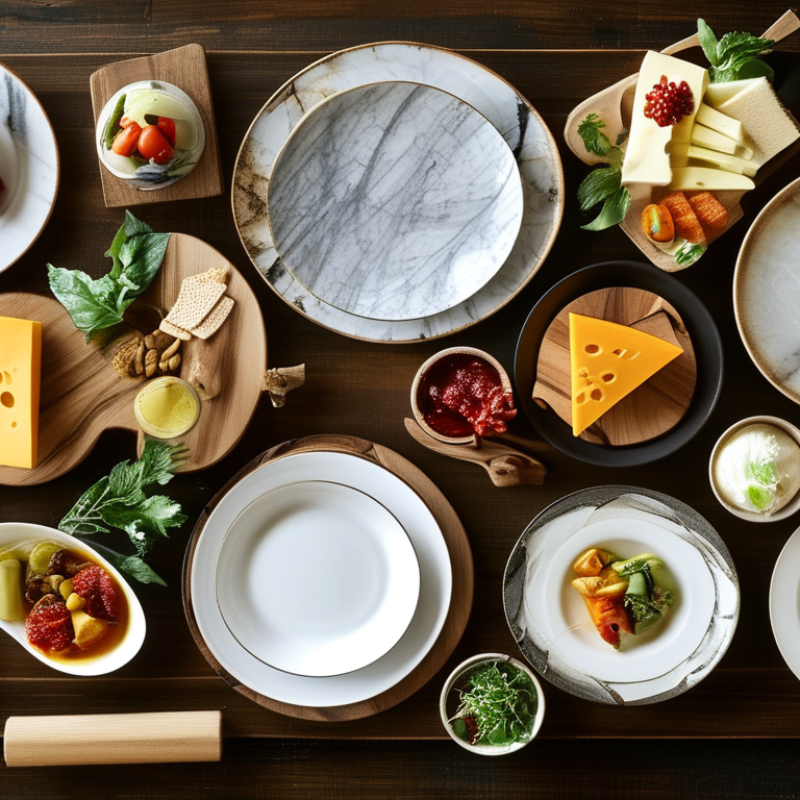
Innovative materials have transformed kitchen serving boards. Traditional wood and plastic boards are being replaced by exciting options. Bamboo is gaining popularity due to its eco-friendliness. It is lightweight and durable, making it perfect for daily use. Glass boards are also making a strong statement. They offer a sleek, modern look and are easy to clean. Their non-porous surface prevents bacteria build-up, which enhances food safety.
Another notable option is silicone serving boards. These boards are flexible and heat-resistant. They can handle a variety of foods, from meats to desserts, without retaining odors. However, silicone can easily get scratched, which may affect its look over time. Stone boards, like marble or granite, offer elegance and style. They keep foods cool, ideal for cheese or charcuterie displays. Yet, their weight can be a drawback for frequent handling.
Composite materials are emerging too. These boards blend wood fibers and plastic to create a sturdy surface. They resist stains and odors, which is a significant advantage. Still, the aesthetics might not please everyone. People often overlook the importance of choosing the right serving board. It impacts not just functionality but also the visual appeal of your kitchen. Balancing style and practicality is a continuous journey.
When it comes to serving boards, trends show a shift towards unique shapes and sizes. According to industry reports, round boards account for 45% of the market, favored for their versatility. Square and rectangular boards follow closely behind, appealing to those who appreciate symmetry in their presentation. The demand for novelty shapes, like bamboo leaves or hexagons, has grown by 35% this year, reflecting a desire for individuality in kitchen aesthetics.
Functionality is a significant driver behind these trends. Boards with built-in compartments or removable trays have gained popularity. These designs help with organization during gatherings. Research indicates that around 60% of consumers consider practicality in their purchases. However, not all boards meet the high usability standard. Some intricate designs may compromise stability, making it challenging to serve dishes smoothly.
Customizable serving boards also capture attention. Many users appreciate the ability to personalize boards with engravings or specific colors, enhancing their kitchen's character. Surveys reveal that 70% of homeowners value personalization in kitchen products. Nonetheless, one must be cautious—water-resistant finishes are not always guaranteed. This could lead to premature wear and tear. Therefore, thoughtful selection is crucial for lasting enjoyment.
Multifunctional serving boards have gained popularity for their versatility in the kitchen. They serve as both a functional tool and an eye-catching centerpiece. With a seamless blend of style and practicality, these boards can enhance any dining experience. Whether you're preparing a gourmet meal or hosting a casual gathering, the right serving board can elevate your presentation.
Think about how a well-designed board can simplify your cooking process. For instance, a large wooden board allows for easy chopping and slicing. It can transition smoothly into a serving platter for cheeses and meats. You might also consider boards with compartments. They help keep different foods separate while still looking attractive on the table. However, remember that not every board suits every occasion; some may be challenging to clean or maintain.
There’s an art to selecting the perfect serving board. Finding a balance between aesthetics and functionality can be tricky. Reflect on your cooking habits and the types of gatherings you host. A beautiful slate board can make a statement, but it may not be ideal for every meal. Embrace the imperfections and think critically about how each board fits your kitchen needs.
Color and texture play a crucial role in the appeal of serving boards. Studies show that visual elements can significantly influence consumer behavior. According to a report by the Color Marketing Group, color can increase brand recognition by up to 80%. In a kitchen context, this means that choosing a vibrant serving board can enhance the overall dining experience. A rich walnut board, for instance, adds warmth, while a white marble surface may convey elegance.
Texture is equally important. The tactile feedback of a serving board can elevate food presentation. A smooth slate board contrasts beautifully with the rough texture of artisan breads or charcuterie. Research indicates that textures can evoke emotional responses. When food is served on a board with an interesting texture, it encourages interaction. This transforms a simple meal into a memorable occasion.
However, the interplay between color and texture is not always flawless. Selecting the right combination can be challenging, and personal preferences vary widely. Some may find bold colors overwhelming, while others appreciate vibrant aesthetics. Experimenting with different materials, such as bamboo versus ceramic, can lead to unexpected results. Reflection on these choices is vital to understanding their impacts on presentation and enjoyment.
In today's eco-conscious world, choosing sustainable kitchen serving boards is more important than ever. Bamboo is a fantastic option. It grows quickly and requires less water than traditional hardwoods. With its natural antibacterial properties, bamboo is both practical and eco-friendly. However, not all bamboo boards are created equal. It's essential to look for sourced materials that prioritize sustainability.
Recycled materials like reclaimed wood are another excellent choice. These boards come with character and story. Each mark and knot adds uniqueness to your serving experience. Choosing reclaimed wood can be tricky, though. Ensure you understand the origins to avoid harmful chemicals used in old finishes. An informed choice makes a significant difference.
You may also consider silicone boards. These can withstand extreme temperatures and are highly durable. They are easy to clean and offer a modern touch. But be mindful; they can leach chemicals over time if not made well. Balancing aesthetics and health is key when selecting serving boards. Each choice reflects your dedication to sustainability, however imperfect.
: Round boards are the most popular, making up 45% of the market. Square and rectangular shapes follow.
Consumers seek individuality. Novelty shapes like bamboo leaves and hexagons have grown in demand this year.
Around 60% of consumers prioritize functionality and practicality in their purchases.
Yes, some complex designs can compromise stability. This makes it hard to serve dishes smoothly.
Many homeowners value personalization. About 70% like to have engravings or specific colors on their boards.
Not all boards guarantee water-resistant finishes. This can lead to premature wear and tear.
Eco-friendly boards like bamboo are practical and require less water. They also have natural antibacterial properties.
Ensure they are sourced sustainably. Not all bamboo boards support eco-friendly practices.
Reclaimed wood adds unique character. However, knowing its origins is essential to avoid harmful chemicals.
They are durable and easy to clean. Be cautious; poor-quality silicone may leach chemicals over time.
The article "Top 10 Serving Board Designs for Your Kitchen Needs" explores the evolving landscape of serving boards, emphasizing innovative materials that enhance kitchen design. From bamboo to resin, the selection of modern serving boards reflects both functionality and aesthetics. Trendy shapes and sizes are highlighted, showcasing how serving boards can be tailored to various culinary tasks while adding a unique touch to dining experiences.
Additionally, the article discusses multifunctional serving boards that blend style with practicality, making them ideal for entertaining. Color and texture play a crucial role in enhancing the aesthetic appeal, allowing homeowners to choose designs that complement their kitchen decor. Lastly, the inclusion of eco-friendly options presents sustainable choices, appealing to environmentally conscious consumers. Overall, serving boards emerge as essential kitchen elements that prioritize both utility and design.

Joywave