When it comes to entertaining, a Wooden Serving Board can be a game-changer. These boards not only serve food but also elevate any occasion. Selecting the right one involves more than just aesthetics; it requires understanding functionality and quality. Different woods offer unique textures and durability. For example, bamboo is lightweight, while acacia is robust.
Consider the size of gatherings. A larger board accommodates more guests, while smaller ones are perfect for intimate settings. The design is also important. An intricate pattern can be striking, but a simple look may match more table settings. Think about how easy it will be to clean. Some finishes are more resistant to stains.
Many people overlook the importance of personalization. Your Wooden Serving Board can reflect your style, becoming a centerpiece for your table. However, it's easy to get lost in trends. Remember that timeless designs often outlast fads. Choosing wisely can lead to years of enjoyment, enhancing both food presentation and home decor.
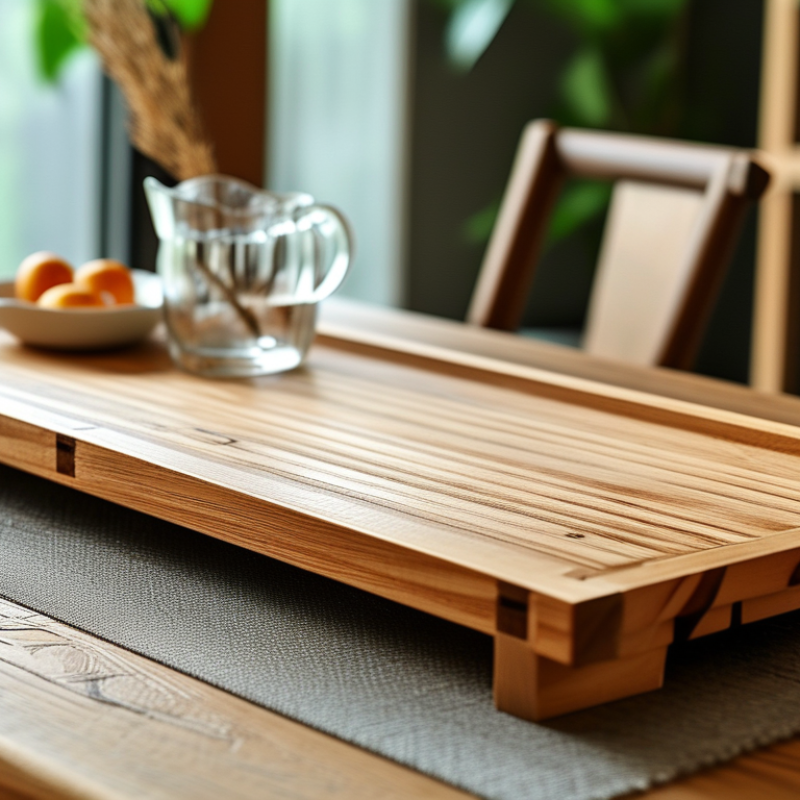
Understanding Different Types of Wood for Serving Boards
When selecting a wooden serving board, understanding the types of wood is crucial. Different woods offer various aesthetics and functionalities. For example, bamboo is lightweight and sustainable, making it an excellent choice for casual gatherings. In contrast, walnut is dense and durable, adding an air of elegance to any table setting.
When choosing wood, consider its grain and finish. Teak, known for its rich color and natural oils, is highly resistant to moisture and decay. Maple, with its fine grain, is great for cutting. Remember, softer woods like pine may dent easily, so weigh your options carefully.
Look for boards that are easy to clean and maintain. Always hand wash wooden boards with mild soap. Avoid soaking them in water. Some woods may require oiling to prevent drying out and cracking. Proper care prolongs the board’s life and keeps it looking great. Consider these elements to find a perfect match for your culinary needs.
Key Factors to Consider When Sizing Your Serving Board
When sizing your wooden serving board, consider the number of guests you usually entertain. A board that’s too small can leave dishes overcrowded. Research indicates that serving boards measuring at least 20 inches are ideal for larger gatherings. This size allows ample space for various foods without clutter or confusion.
Think about your serving style. If you prefer a shared experience, a larger board is necessary. A study by the Culinary Institute highlights that larger boards encourage interaction among diners. They foster a casual atmosphere. However, if you mainly serve small groups, a smaller board may suffice. A 12-16 inch board can cater well to intimate gatherings.
Choose the shape and material wisely. Rectangular boards maximize surface area, while round boards work well for cheese and charcuterie. Many experts recommend hardwoods like maple or walnut. They resist wear and tear better than softwoods. However, keep in mind that both size and shape should align with your kitchen storage space. A board that’s too large can be cumbersome to store. The best choice reflects your dining habits and kitchen practicality.
Top Tips for Choosing the Perfect Wooden Serving Board
Importance of Finish and Treatment in Wood Serving Boards
When selecting a wooden serving board, the finish and treatment are crucial. The right finish enhances the board's beauty while protecting it from damage.
Oil finishes, such as mineral oil or food-safe oil blends, are popular. They penetrate the wood, providing a natural look and feel. Regular application of oil helps maintain the board's integrity. However, over-oiling can lead to a sticky residue, which is unpleasant.
Wax finishes can add a lovely sheen. Beeswax is a common choice, as it is non-toxic. It creates a barrier against moisture and helps prevent staining. Yet, wax may require more frequent reapplication compared to oils. Consider the intended use of your serving board. A heavily treated board can clash with the rustic appeal some users seek.
The choice of wood also matters. Hardwoods like maple and walnut resist scratches and dents better than softer woods. However, softer woods can have a more unique charm.
Weigh the pros and cons of each material carefully. Aesthetic appeal is often subjective, and personal preferences play a significant role in this decision. It’s essential to consider both form and function in wood serving boards.
Evaluating Durability: Hardwoods vs. Softwoods for Longevity
When choosing a wooden serving board, evaluating its durability is key. Hardwoods like oak and maple are often favored for their strength. These woods resist scratches and dents, making them ideal for frequent use. Their tight grain structure helps prevent water absorption. This reduces the chances of warping over time, which can be a common issue with softer woods.
Softwoods, such as pine or cedar, may not offer the same longevity. They are lightweight and easier to work with but can damage more easily. Over time, you may notice worn-out areas or deep cuts on a softwood board. While they can be charming, their aesthetic appeal often comes at the cost of durability. It’s crucial to consider how often you plan to use the board. Regular use may lead to quicker wear and tear.
Choosing the right wood type also means reflecting on maintenance. Hardwoods generally require less upkeep, while softwoods need more attention. This difference can influence your overall satisfaction with the serving board. A well-chosen board should complement your lifestyle and enhance your serving experience. Balancing aesthetic preferences with practical use can be challenging yet rewarding.
Top Tips for Choosing the Perfect Wooden Serving Board
| Type of Wood |
Durability |
Water-Resistant |
Maintenance |
Aesthetic Appeal |
| Hard Maple |
High durability, resistant to scratches |
Moderate |
Easy to maintain, occasional oiling |
Light color, fine grain |
| Walnut |
Very durable, resistant to wear |
Good |
Requires regular oiling, easy to clean |
Rich color, beautiful grain patterns |
| Bamboo |
Good durability, eco-friendly |
Highly water-resistant |
Low maintenance, clean with mild soap |
Modern look, lightweight |
| Pine |
Less durable, softer than hardwoods |
Low water resistance |
Needs regular sealing, prone to scratches |
Lightweight, rustic appearance |
Trends in Design: The Aesthetic Appeal of Wooden Serving Boards
Wooden serving boards have become a popular choice for both casual gatherings and formal events. Their natural beauty enhances any table setting. The unique grain patterns and earthy tones of wood create an inviting atmosphere. Plus, the versatility of these boards allows them to serve as both functional items and stylish decor.
When choosing a wooden serving board, consider its size and shape. Large, rectangular boards offer ample space for an impressive cheese and charcuterie display. Meanwhile, small round boards are perfect for serving appetizers or individual portions. The wood type also matters; options like maple, walnut, and bamboo provide different aesthetics and durability levels. Remember, each piece has its own character, which may reflect imperfections or knots. These features can add charm but might require you to rethink your design layout.
Don't overlook the finishing touches on your board. A food-safe finish can enhance the wood's natural beauty while ensuring it's safe for food contact. Regularly maintaining your board with mineral oil can keep it looking pristine. Think about how you intend to use it. If you plan on frequent gatherings, look for a durable finish that withstands wear. Every choice matters, as it impacts both functionality and appearance.
FAQS
: Bamboo is lightweight and sustainable. Walnut is dense, adding elegance. Teak resists moisture and decay well.
Size matters for guest count. Boards over 20 inches work best for large gatherings. Smaller boards are fine for intimate settings.
Rectangular boards maximize space. Round boards suit cheese and small portions. Consider your serving style when choosing.
Hand wash with mild soap. Never soak in water. Oil may be needed to prevent drying. Proper care extends the board's life.
Different grains impact aesthetics. Some woods have knots, adding charm. A good finish keeps the board looking great and food-safe.
Reflect on storage space. Boards that are too large can be cumbersome. Ensure the size aligns with your kitchen's practicality.
Yes, wooden boards are popular for gatherings. Their beauty and unique grain patterns create inviting atmospheres. They also serve as decor.
Yes, imperfections add character. However, they may require design contemplation. Reflect on how these features fit your style.
Conclusion
When choosing the perfect wooden serving board, it is essential to understand the various types of wood available. Different woods offer distinct aesthetics and functional properties, contributing to the overall appeal and usability of your serving board. Size is another crucial factor; the board should be appropriately sized for the intended use, whether for entertaining guests or everyday meals.
Additionally, the finish and treatment of a wooden serving board play a vital role in its durability and maintenance. Hardwoods generally provide greater longevity compared to softwoods, making them a popular choice for serving boards designed to withstand frequent use. Finally, it is important to consider current design trends, as the aesthetic of wooden serving boards can enhance any dining experience, combining functionality with beauty.

 Joywave