How to Choose a Bamboo Chopping Block in 2026?

Time:2026-09-10 Author:Mason
0%

Choosing a Bamboo Chopping Block in 2026 requires more than comparing color, price, and grain pattern. Grand View Research reported that the global bamboo products market reached approximately USD 68.8 billion in 2022, with continued growth expected through 2030. That expansion brings better manufacturing, but also inconsistent labeling. A glossy surface does not prove quality.

Dr. Walter Liese, a respected bamboo scientist, famously emphasized, “Bamboo is a grass, not a tree.” This distinction matters in the kitchen. Bamboo grows quickly, yet its hardness varies by species, maturity, and processing method. A reliable Bamboo Chopping Block should use mature strips, tight lamination, stable bonding, and a food-contact-safe finish. Check the grain direction. It should look even, without open gaps, deep cracks, or raised edges. Run your fingers across the surface. It should feel smooth, not waxy or excessively slippery.

The Food and Agriculture Organization has repeatedly highlighted bamboo’s value as a renewable material, but sustainability claims still need evidence. Look for traceable sourcing, clear care instructions, and realistic claims about durability. Avoid products that promise “unbreakable” performance. No chopping block deserves that label.

A practical test is simple. Place it on your counter and press one corner. Excessive movement suggests poor balance or weak anti-slip design. Choose a thickness that resists warping, but remains comfortable to lift. Many buyers overlook weight. I did too, once. A beautiful block can become inconvenient when daily cleaning, drying, and oiling are considered.
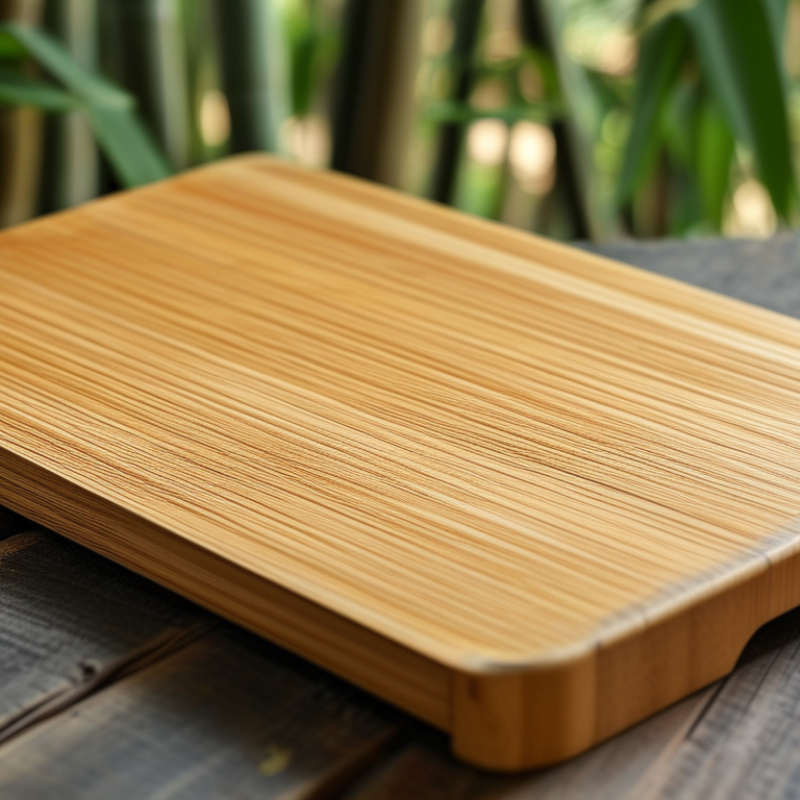
How to Choose a Bamboo Chopping Block in 2026?

What Makes Bamboo Chopping Blocks Different from Other Cutting Boards?

Bamboo chopping blocks differ from many cutting boards because bamboo is a grass, not a tree. Manufacturers usually laminate narrow bamboo strips into a dense surface. This construction creates a firm, stable board with visible linear grain. The Food and Agriculture Organization’s Global Forest Resources Assessment 2020 estimates that bamboo covers about 35 million hectares worldwide. That scale supports bamboo’s reputation as a rapidly renewable material. It is not automatically better.

Compared with soft plastic, bamboo feels firmer under a chef’s knife and resists deep grooves for longer. Compared with thick hardwood, it is often lighter and less expensive. However, bamboo can feel unforgiving against delicate knife edges. Its surface also depends heavily on the adhesive and finish used during manufacturing. The FDA Food Code 2022 requires food-contact surfaces to be smooth, durable, and easily cleanable. Check for raised fibers, open joints, or glossy coatings that begin peeling.

In daily use, I prefer bamboo for vegetables, herbs, and bread. I once left a bamboo block beside a wet sink, and its edge began to swell. A small mistake. USDA FSIS guidance recommends washing cutting boards with hot, soapy water after use and replacing boards with hard-to-clean grooves. Never soak bamboo. Dry both sides after washing, and apply food-grade mineral oil when the surface looks pale or rough. A thicker block may last longer, but its weight can make cleaning less convenient. That trade-off is easy to overlook.

Which Bamboo Chopping Block Size and Thickness Fit Your Kitchen?

Choosing a bamboo chopping block starts with the counter, not the product photo. Measure your usable workspace, then leave room for a bowl and your cutting hand. A 12-by-16-inch board suits compact kitchens and simple weekday meals. A 15-by-20-inch board gives better control for cabbage, herbs, and family-sized cooking. I once bought a board that looked generous online. It crowded the sink.

Thickness affects stability, moisture control, and weight. For routine vegetables, 0.75 to 1 inch is usually practical. Choose 1.25 inches when you regularly cut dense squash or want a heavier, steadier surface. Very thick blocks can become awkward to lift and dry slowly. That trade-off is easy to ignore. Bamboo also needs space beneath it for airflow after washing; trapped moisture may encourage splitting or odor.

Hygiene matters more than a dramatic size upgrade. The FDA Food Code 2022 requires food-contact surfaces to be smooth, durable, nonabsorbent, and easily cleanable. The CDC estimates that 48 million people in the United States experience foodborne illness annually, showing why cleaning habits deserve serious attention. USDA FSIS guidance recommends using separate boards for raw meat and ready-to-eat foods, and replacing boards with deep, difficult-to-clean grooves. Look for a flat surface, tight joints, and stable feet. Avoid choosing by thickness alone. A manageable board that dries fully may serve better than a massive block that stays damp.

How to Evaluate Bamboo Quality, Construction, and Food Safety

How to Choose a Bamboo Chopping Block in 2026?

Bamboo quality starts with maturity, density, and processing. The 2020 Global Forest Resources Assessment reports bamboo across more than 35 million hectares worldwide. However, origin alone does not prove durability. Look for straight, tightly pressed strips with consistent color. Avoid dark stains, open joints, and sharp edges. Press the surface gently. It should feel solid, not hollow.

Construction matters during daily cooking. A thick block resists warping, but excessive thickness can slow drying. Check whether the board sits flat on a counter. Small rubber feet improve stability, yet they may trap moisture underneath. End-grain designs can reduce visible knife marks, although they are not automatically safer. A practical test helps: place the block near a sink for one hour, then inspect swelling, odor, and movement.

Food safety deserves harder questions. The FDA Food Code 2022 requires food-contact surfaces to be smooth, durable, and easily cleanable. Ask for documentation showing that the adhesive is suitable for food contact. “Natural bamboo” is not enough. The block should have no peeling layers, deep cracks, or lingering chemical smell. Wash it promptly, dry it upright, and avoid soaking. Research and standards cannot replace observation. I still question glossy finishes when manufacturers provide vague material details. A beautiful surface may hide weak bonding. Replace the block when grooves become difficult to clean.

How to Choose the Right Surface, Edge Design, and Maintenance Features

How to Choose a Bamboo Chopping Block in 2026?

Choose the surface for your actual cooking habits. Edge-grain bamboo blocks offer a firm, stable field for vegetables and herbs. Look for tight, even strips without open gaps, rough patches, or excessive glue lines. A slightly textured surface can improve grip, but deep grooves may trap food. The FDA Food Code 2022 requires food-contact surfaces to be smooth, durable, and easily cleanable. That standard matters at home, too. I once preferred a glossy board, but it became slippery with wet onions.

Edge design affects comfort and safety. Rounded corners reduce painful contact with countertops and hips. A shallow juice channel helps with tomatoes and meat, though narrow channels are difficult to scrub. Recessed handles can improve lifting, but they reduce usable cutting space. Non-slip feet provide stability, especially during heavy chopping. They can also collect moisture underneath. Small compromises matter.

Maintenance features should be simple, not decorative. USDA FSIS advises washing cutting boards with hot, soapy water after use. The CDC estimates that about 48 million Americans experience foodborne illness annually, making cleaning habits important. Choose a block that fits your sink and can dry upright. Avoid dishwasher use unless the care instructions clearly permit it. Apply food-safe mineral oil when the surface looks pale or feels dry. Never leave bamboo soaking. I sometimes underestimate drying time. That mistake can encourage warping, even when the board looks clean.

How to Choose a Bamboo Chopping Block in 2026?

Surface hardness is a useful guide to durability, but the best bamboo chopping block also needs a knife-friendly surface, stable edge construction, and simple maintenance features.

How to read the chart: The ranges show representative Janka hardness values in pounds-force (lbf). Bamboo products vary according to species, strand density, adhesive construction, and grain orientation. A medium-to-hard surface generally offers good durability without being unnecessarily harsh on knife edges.

  • Surface: Choose a smooth, low-splinter laminated bamboo surface with consistent joints and no deep cracks.
  • Edge design: Prefer a rounded or chamfered edge for safer handling; a juice groove is useful when the block is regularly used for moist foods.
  • Maintenance: Hand-wash with hot soapy water, dry immediately, and periodically apply food-grade mineral oil. Avoid soaking and use a dishwasher only when the manufacturer explicitly permits it.

Reference basis: representative Janka hardness values reported in the USDA Forest Products Laboratory Wood Handbook and published wood-material hardness tables. Values are approximate and not brand-specific.

How to Compare Durability, Sustainability, Price, and Brand Reliability

How to Choose a Bamboo Chopping Block in 2026?

How to Compare Durability, Sustainability, Price, and Brand Reliability

A durable bamboo chopping block should feel dense, flat, and stable on the counter. Press one corner gently. It should not rock. Examine the laminated strips closely. Tight, even joints usually resist splitting better than visible gaps. A smooth surface matters, but excessive gloss may hide poor finishing. Look for a food-contact-safe finish and clear care instructions. Bamboo is hard, yet it can still dull knives or crack after repeated soaking. Never leave it beside a full sink.

Sustainability requires more than a bamboo label. Choose products made from rapidly renewable bamboo, responsibly processed, and joined with disclosed adhesives. A longer service life usually creates less waste than replacing a cheap board every year. However, “eco-friendly” claims can be vague. I would check the material details instead of trusting green packaging. That takes extra time. It is worth questioning.

Price should reflect construction, thickness, edge quality, and warranty support. The cheapest option may warp quickly, while the most expensive one may offer unnecessary decoration. Compare price with expected years of use. Brand reliability appears through honest specifications, responsive customer service, replacement policies, and consistent user feedback. Reviews showing repeated cracks or strong chemical odors deserve attention. I would also inspect return conditions before buying. My judgment is not perfect; online photos can conceal uneven surfaces, and even a well-made block needs drying after washing.

How to Choose a Bamboo Chopping Block in 2026? — Comparing Durability, Sustainability, Price, and Brand Reliability
Comparison Dimension What to Check Recommended Target Why It Matters Evidence to Request or Verify
Construction Multi-layer laminated bamboo with alternating grain direction Uniform surface, no open gaps, and tightly bonded joints Good lamination reduces splitting, warping, and separation during normal kitchen use. Close-up product photographs, manufacturing specifications, and user reviews mentioning joint quality.
Board Thickness Overall thickness of the chopping block 25–40 mm for general food preparation Thicker boards are generally more stable and less likely to move or cup than very thin boards. Confirm the finished thickness rather than the package thickness.
Surface Hardness Bamboo is a relatively hard cutting surface compared with many softwoods Smooth, knife-friendly surface without a glossy plastic-like coating A hard surface can resist dents, but excessive hardness or a damaged surface may contribute to faster knife-edge wear. Look for a smooth food-contact surface and avoid boards with deep factory scratches or peeling coatings.
Moisture Resistance Resistance to swelling, staining, and odor retention Minimal visible swelling after ordinary washing and prompt drying Bamboo is not waterproof. Extended soaking, dishwasher cycles, and storage while wet can cause cracking or delamination. Care instructions should clearly prohibit soaking and dishwasher use unless the product is specifically rated otherwise.
Food-Contact Adhesive Adhesive used to bond laminated bamboo strips Adhesive compliance documented for the intended food-contact market The adhesive is part of the food-contact surface and can affect safety, odor, and long-term bond stability. Request a food-contact compliance statement or applicable testing documentation.
Maintenance Requirement Hand washing, drying, and periodic oiling Hand wash, dry immediately, and apply food-grade mineral oil when the surface looks dry Routine maintenance limits moisture absorption and helps extend useful life. Clear care instructions, recommended oil type, and warnings against cooking oils that can become rancid.
Expected Service Life Useful life under regular home use and correct care Several years, with resurfacing or replacement when deep grooves, cracks, or persistent odors develop Service life depends more on care, moisture exposure, knife use, and board thickness than on bamboo alone. Look for long-term customer feedback and a clear replacement or warranty policy.
Sustainability Renewable raw material, responsible sourcing, adhesive content, and packaging Rapidly renewable bamboo, traceable sourcing, minimal packaging, and durable construction Bamboo can regenerate from its root system, but harvesting, transport, adhesives, finishes, and product lifespan also affect total impact. Material disclosure, credible forestry or chain-of-custody documentation where applicable, and recyclable packaging information.
End-of-Life Profile Disposal options for solid bamboo and laminated components Uncoated or minimally coated bamboo with clearly disclosed materials Laminated boards may contain adhesives and finishes that limit recycling or composting options. Check whether the board is solid bamboo, laminated bamboo, coated, or combined with non-bamboo materials.
Typical Price Indicative 2026 retail price for a standard home-use block in the United States Approximately US$20–US$60 for a well-finished 25–40 mm board Price often reflects thickness, size, finishing quality, packaging, certification, and warranty—not sustainability alone. Compare price by usable cutting area, thickness, construction, and included features rather than by sticker price only.
Brand Reliability Consistency of specifications, quality control, support, and warranty Published dimensions, material details, responsive support, and a written warranty or return policy Reliable documentation and after-sales support reduce the risk of receiving a warped, cracked, or inaccurately described product. Check independent reviews, return terms, warranty duration, contact details, and whether replacement parts or remedies are available.
Practical Comparison Scorecard
Evaluation Area Weight Excellent Result Acceptable Result Warning Signs Suggested Score
Durability 35% 25–40 mm thick, stable construction, smooth surface, no cracks or gaps 18–24 mm thick with minor cosmetic variation and clear care instructions Thin board, loose joints, visible splits, severe warping, or peeling finish 5/5
Sustainability 25% Material traceability, responsible sourcing evidence, durable design, and reduced packaging Bamboo material is disclosed, but sourcing or packaging details are limited Unclear material composition, excessive packaging, or unsupported environmental claims 5/5
Price-to-Value 20% US$20–US$60 with strong construction, useful size, and reliable support Low price but fewer documented specifications or limited warranty coverage High price without better materials, construction, service, or documentation 3/5
Brand Reliability 20% Consistent specifications, independent reviews, clear returns, and documented food-contact compliance Basic product information and standard returns, but limited long-term evidence No traceable seller information, conflicting dimensions, copied claims, or unclear returns 5/5
Overall Buying Rule 100% Choose the highest total score that also meets food-contact and care requirements Accept a lower score when the price or size better fits occasional use Do not purchase if the board has structural defects or missing safety information Prioritize quality
Note: Price ranges are indicative retail ranges in U.S. dollars and vary by size, thickness, shipping, taxes, and market. Scores are a practical comparison framework rather than a universal laboratory rating. For food preparation, wash the board by hand, dry it immediately, avoid prolonged soaking, and replace it when deep cracks, persistent odors, or difficult-to-clean grooves appear.

FAQS

: What makes bamboo chopping blocks different from other cutting boards?

: Bamboo is a grass, not a tree. Manufacturers laminate narrow strips into a dense, linear-grain surface. It feels firm and stable. However, it is not automatically better.

Is bamboo stronger than plastic or hardwood?

Bamboo usually resists deep knife grooves better than soft plastic. It is often lighter than thick hardwood. Its firm surface may feel harsh against delicate knife edges.

What should I inspect before buying a bamboo block?

Check for a flat surface and tight joints. Avoid raised fibers, open seams, or peeling glossy coatings. Smooth, durable surfaces clean more easily.

What bamboo chopping block size suits a small kitchen?

A 12-by-16-inch board suits compact counters and simple meals. Leave space for a bowl and your cutting hand. A large board can crowd the sink.

When is a thicker bamboo block useful?

A 0.75-to-1-inch thickness works for routine vegetables. Choose about 1.25 inches for dense squash or extra stability. Thick blocks are heavier and dry more slowly.

How should I clean a bamboo chopping block?

Wash it with hot, soapy water after use. Never soak it. Dry both sides, including the edges. Dry both sides.

How can I prevent swelling, splitting, or odors?

Keep the block away from standing water. Allow airflow beneath it while drying. Apply food-grade mineral oil when the surface looks pale or rough. I once left one beside a wet sink, and its edge swelled.

Should I use separate boards for different foods?

Yes. Use separate boards for raw meat and ready-to-eat foods. Deep grooves can trap residue and become difficult to clean. Replace the board when cleaning no longer feels reliable. Not always obvious.

Is a bamboo block worth choosing?

It works well for vegetables, herbs, and bread. Choose manageable weight over impressive thickness. A smaller board that dries fully may serve better. The trade-off deserves thought.

Conclusion

Choosing a Bamboo Chopping Block in 2026 requires more than selecting an attractive kitchen accessory. Bamboo differs from many wood and plastic boards because it is lightweight, naturally resilient, and often made from rapidly renewable material. Consider the size and thickness that match your counter space, cooking habits, and storage needs. A thicker block may provide greater stability, while a compact board can be more practical for smaller kitchens.

When evaluating a Bamboo Chopping Block, examine the bamboo’s density, smoothness, layered construction, and food-safe adhesive or finish. A well-made surface should resist splitting and be gentle on properly maintained knives. Features such as juice grooves, rounded edges, non-slip feet, and reversible sides can improve convenience. Regular hand washing, prompt drying, and occasional conditioning help extend its service life. Finally, compare durability, sustainability claims, price, warranty support, and the manufacturer’s transparency to find a reliable option that balances performance, responsible production, and long-term value.


Mason

Mason

Mason is a seasoned marketing professional with a deep expertise in the company's offerings and a passion for driving brand awareness. With a strong background in digital marketing strategies, he has an innate ability to connect with diverse audiences and effectively communicate product benefits.......