Choosing the right wooden cutting board can transform your culinary experience. Renowned chef and knife expert, Thomas Keller, once said, "A good cutting board is essential for any kitchen." This statement underscores the importance of selecting a quality wooden cutting board.
Wooden cutting boards are not just functional; they can add aesthetic value to your kitchen. They come in various types of wood, each offering unique benefits. For instance, bamboo boards are eco-friendly and lightweight, while maple is known for its durability and resistance to knife marks.
However, the process of choosing the best one can be daunting. Some boards are prone to warping or cracking if not maintained properly. It’s crucial to consider how often you cook and the types of food you prepare. Reflecting on these factors can lead to better choices and a more satisfying cooking experience. A well-chosen wooden cutting board can last for years, improving with age if cared for correctly.
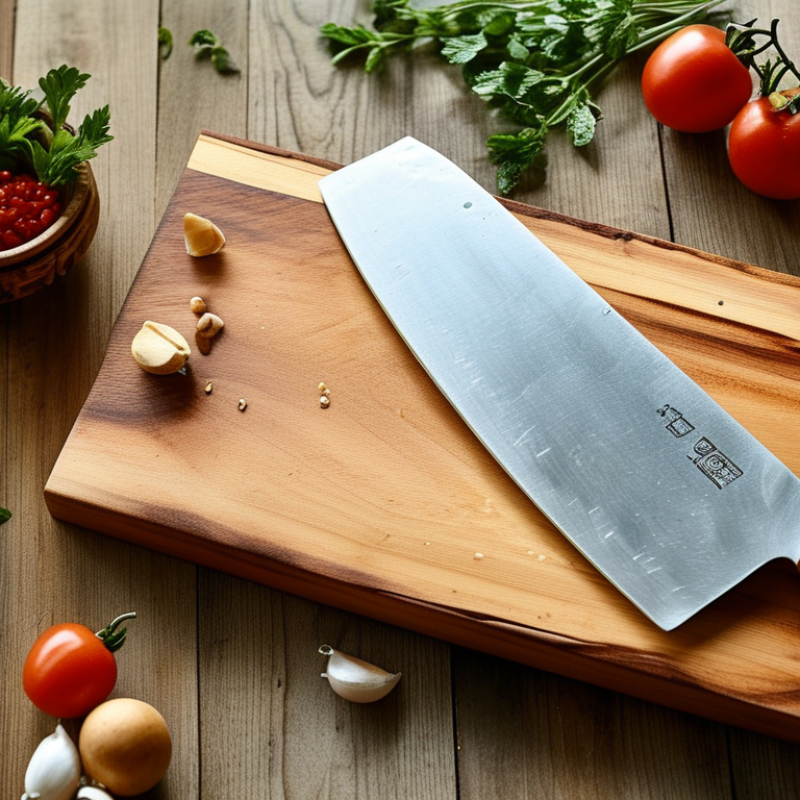
When selecting a wooden cutting board, several factors come into play. Durability is key. Hardwoods like maple and walnut are popular choices. They resist deep scratches better than softer woods. A sturdy board will last years with proper care. However, not all boards are created equal. Some may warp or crack if not maintained correctly. Be sure to understand which wood types suit your cooking style.
Another important factor is size. Smaller boards are easier to handle but may lack space for larger tasks. Choose a board that can accommodate your needs. Thickness matters too. A thicker board offers stability and durability, while a thinner one may be lightweight and convenient. Consider how you'll store it, as well. Some boards have handles or grips, making them easier to lift.
Finally, think about maintenance. Wooden boards need regular oiling to prevent drying. If neglected, they can absorb moisture and develop bacteria. Research proper care techniques. A well-maintained board can be a beautiful, functional kitchen tool for years. Choosing the right one requires reflection on your cooking habits and kitchen space.
When choosing a wooden cutting board, understanding the types of wood is essential. Different woods possess unique properties. For instance, maple is dense and holds up well against knife cuts, making it a popular choice. In contrast, walnut is softer but provides a stunning appearance. Each wood type can impact your cooking experience.
Hardwoods, such as cherry and teak, resist warping and repel moisture. They are often recommended for durability. However, softer woods like pine can be prone to scratches and dents. Keep this in mind, especially if you cut aggressively.
Tips: Always consider maintenance. Some woods require oiling to maintain their appearance and prevent cracking. A well-maintained board can last for years. Also, be cautious with cross-contamination; it's wise to have separate boards for raw meat and vegetables. This choice can minimize health risks. Choosing a cutting board involves balancing aesthetics and functionality. Reflection on your cooking habits will guide you.
When it comes to wooden cutting boards, proper maintenance is key to longevity. Regular oiling is essential. Use food-safe mineral oil every month. This helps prevent the wood from drying out, which can lead to cracking. Remember, a well-oiled board is more resistant to moisture and stains.
Cleaning is another crucial aspect. After each use, wash your board with warm, soapy water. Avoid soaking it, as prolonged moisture can deform the wood. For stubborn stains, a mixture of baking soda and water can work wonders. Be cautious not to use harsh chemicals; they can damage the wood's surface.
Storing your cutting board correctly is often overlooked. Keep it in a dry place, avoiding direct sunlight. This prevents warping and fading. Consider standing it upright or laying it flat. Reflect on any signs of wear. Small scratches or dents can invite bacteria. Address these promptly to keep your board safe and functional.
When choosing a wooden cutting board, size and thickness are crucial aspects. A larger board offers more space to work with, making it ideal for big meal preparations. However, it may be cumbersome to store. Conversely, a smaller board is easy to handle and store, but it limits your workspace. Consider your kitchen size and your cooking habits before making a choice.
Thickness plays a significant role too. Thicker boards are more durable and can endure heavy chopping without warping. They also provide better stability. Thin boards, while lightweight, may not withstand the same wear and tear. A balance between thickness and weight is essential for effective use.
Tips:
Don't overlook maintenance. Each wood type requires different care. Be prepared for a little extra work to ensure longevity. Small imperfections, like scratches, can be repaired, but they can also be a reminder that no board is perfect. Consider these factors carefully to choose the right one for your kitchen.
When selecting a wooden cutting board, consider sustainability. Opt for boards made from responsibly sourced wood. Bamboo is a popular choice due to its fast growth rate. This fast renewal makes it an eco-friendly option. However, not all bamboo is created equal. Some sources exploit natural habitats, so research is essential.
Look for boards that are FSC-certified. This means the wood comes from forests managed to benefit the environment and communities. Maple and walnut are traditional choices, offering durability and beauty. Yet, their harvesting can have negative impacts on local ecosystems.
While wooden cutting boards offer aesthetic appeal, they require proper care to ensure longevity. Regular oiling can protect the surface, but not everyone has the time or knowledge to do this. Some boards may crack or warp with poor maintenance. Therefore, the choice of wood type and care instructions can greatly influence your experience. It's crucial to balance beauty, usability, and ecological impact.
: Look for durability, size, thickness, and maintenance needs.
Durable boards last longer and resist deep scratches better than softer woods.
Hardwoods like maple, walnut, and cherry resist warping and moisture well.
Yes, a larger board offers more workspace but may be harder to handle.
Thicker boards provide stability. Thinner boards are lighter but less durable.
Regular oiling is needed to prevent drying and cracking over time.
To minimize cross-contamination and reduce health risks in the kitchen.
No, it may crack or warp. Hand wash only and dry immediately.
The board can absorb moisture, leading to bacteria growth and damage.
Yes, your habits will determine the size and type of board you need.
When selecting the best wooden cutting board for your kitchen, there are several important factors to consider. It's essential to evaluate the types of wood used, as different woods offer unique properties such as durability, knife-friendliness, and aesthetic appeal. Maintenance tips, including regular oiling and proper cleaning techniques, can significantly extend the life of your wooden cutting board. Additionally, comparing different sizes and thicknesses will help you find the ideal board that suits your cooking needs and space.
Sustainability is another vital consideration; opting for eco-friendly wooden cutting boards made from responsibly sourced materials supports environmental well-being. By understanding these elements, you can make an informed decision that not only meets your culinary requirements but also contributes positively to the planet. Ultimately, choosing the right wooden cutting board combines functionality with sustainability, ensuring a wise investment for your kitchen.

Joywave